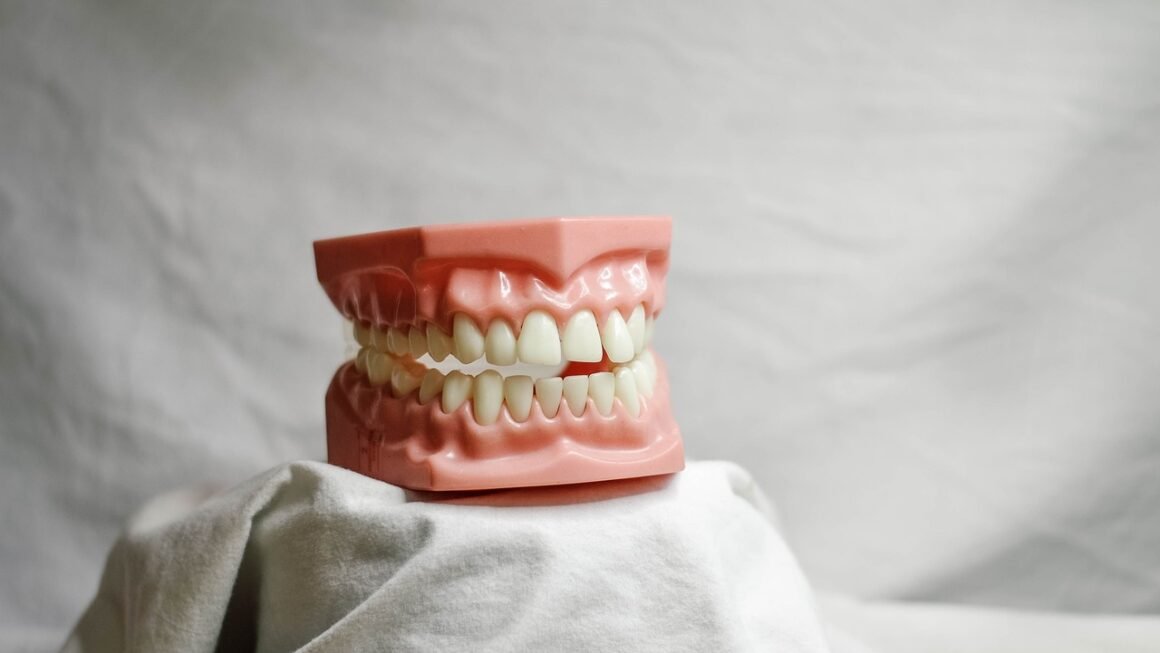
Maintaining optimal oral health is crucial for a confident smile and overall well-being. Good dental hygiene goes beyond just brushing your teeth; it’s a comprehensive routine that involves several essential practices. Neglecting proper oral care can lead to a host of dental problems, including cavities, gum disease, and even systemic health issues. This blog post will explore the key components of dental hygiene maintenance, providing you with practical tips and insights to keep your smile healthy and bright.
Brushing Techniques and Best Practices
Choosing the Right Toothbrush
The first step in effective brushing is selecting the right toothbrush. Consider these factors:
- Bristle Type: Opt for a soft-bristled toothbrush to avoid damaging your gums and tooth enamel. Medium and hard bristles can be too abrasive, especially if you brush aggressively.
- Size and Shape: Choose a toothbrush head that allows you to comfortably reach all areas of your mouth, including the back molars.
- Manual vs. Electric: Both manual and electric toothbrushes can effectively clean your teeth. Electric toothbrushes may be more beneficial for individuals with limited dexterity or those who struggle to maintain consistent brushing technique.
Example: An electric toothbrush with a built-in timer can ensure you brush for the recommended two minutes.
Proper Brushing Technique
Brushing correctly is just as important as brushing regularly. Follow these steps:
- Angle the Brush: Hold your toothbrush at a 45-degree angle to your gums.
- Gentle Circular Motions: Use gentle, circular motions to clean the outer, inner, and chewing surfaces of each tooth.
- Brush All Surfaces: Don’t forget to brush the tongue to remove bacteria and freshen your breath.
- Duration: Brush for at least two minutes, twice a day.
- Replace Your Toothbrush: Replace your toothbrush every three months or sooner if the bristles are frayed. According to the American Dental Association, frayed bristles are less effective at cleaning teeth.
Choosing the Right Toothpaste
Toothpaste plays a crucial role in removing plaque and protecting your teeth.
- Fluoride Toothpaste: Look for toothpaste that contains fluoride, which helps strengthen tooth enamel and prevent cavities. The American Dental Association recommends using fluoride toothpaste.
- Consider Your Needs: If you have sensitive teeth, choose a toothpaste formulated for sensitivity. For whitening benefits, select a whitening toothpaste.
- Avoid Swallowing: Teach children to spit out toothpaste after brushing to avoid fluoride ingestion.
Flossing: An Essential Step
Why Flossing is Important
Flossing removes plaque and food particles from between your teeth, areas that your toothbrush can’t reach. This helps prevent cavities and gum disease.
- Removes Plaque: Flossing removes plaque buildup in hard-to-reach areas.
- Prevents Gum Disease: Helps prevent gingivitis and periodontitis.
- Freshens Breath: Removes odor-causing bacteria between teeth.
- Example: Studies show that regular flossing can reduce the risk of gum disease by up to 40%.
How to Floss Correctly
Follow these steps to floss effectively:
- Break Off Floss: Use about 18 inches of floss and wind it around your middle fingers, leaving a few inches to work with.
- Guide the Floss: Gently guide the floss between your teeth using a sawing motion.
- Curve Around Each Tooth: Curve the floss around each tooth in a “C” shape, sliding it gently under the gum line.
- Use a Clean Section: Use a clean section of floss for each tooth.
- Floss Daily: Floss at least once a day, preferably before bedtime.
Alternatives to Traditional Floss
If you find traditional floss difficult to use, consider these alternatives:
- Dental Picks: Pre-threaded floss picks can be easier to handle.
- Interdental Brushes: These small brushes are designed to clean between teeth.
- Water Flossers: Water flossers use a stream of water to remove plaque and debris. They can be particularly helpful for people with braces or other dental appliances.
The Role of Mouthwash
Benefits of Using Mouthwash
Mouthwash offers several benefits for oral health:
- Freshens Breath: Mouthwash can help eliminate bad breath by killing odor-causing bacteria.
- Reduces Plaque: Some mouthwashes contain ingredients that help reduce plaque buildup.
- Fights Gingivitis: Certain mouthwashes are formulated to fight gingivitis, an early form of gum disease.
- Fluoride Protection: Fluoride mouthwash can help strengthen tooth enamel and prevent cavities.
Types of Mouthwash
There are different types of mouthwash available, each with its own benefits:
- Cosmetic Mouthwash: Freshens breath but does not kill bacteria.
- Antiseptic Mouthwash: Kills bacteria and reduces plaque and gingivitis.
- Fluoride Mouthwash: Strengthens tooth enamel and prevents cavities.
How to Use Mouthwash
Follow these steps to use mouthwash effectively:
- Rinse After Brushing and Flossing: Use mouthwash after brushing and flossing your teeth.
- Measure the Correct Amount: Use the amount recommended on the product label.
- Swish Vigorously: Swish the mouthwash around in your mouth for 30 seconds.
- Do Not Swallow: Spit out the mouthwash after rinsing.
- Avoid Eating or Drinking: Avoid eating or drinking for at least 30 minutes after using mouthwash.
Diet and Dental Health
Foods to Limit or Avoid
Certain foods and drinks can contribute to tooth decay and other dental problems.
- Sugary Foods and Drinks: Sugary snacks, candies, and sodas provide fuel for bacteria that produce acid, which can erode tooth enamel.
Example: Frequent consumption of sugary drinks like soda and juice significantly increases the risk of cavities.
- Acidic Foods and Drinks: Acidic foods and drinks, such as citrus fruits and vinegar, can also erode tooth enamel.
- Sticky Foods: Sticky foods, such as gummy candies and caramel, tend to cling to teeth, providing a breeding ground for bacteria.
Foods That Promote Dental Health
Certain foods can help promote strong teeth and healthy gums.
- Crunchy Fruits and Vegetables: Chewing crunchy fruits and vegetables, such as apples and carrots, helps stimulate saliva production, which neutralizes acids and washes away food particles.
- Dairy Products: Dairy products, such as milk, cheese, and yogurt, are rich in calcium and phosphorus, which are essential for strong teeth.
- Leafy Greens: Leafy greens, such as spinach and kale, are packed with vitamins and minerals that contribute to overall oral health.
- Water: Drinking plenty of water helps keep your mouth hydrated and washes away food particles and bacteria.
Snacking Smart
When you do snack, choose healthy options that are less likely to harm your teeth:
- Cheese: Cheese is a great snack option because it stimulates saliva production and contains calcium and phosphorus.
- Nuts: Nuts are a good source of protein and healthy fats and can help scrub away plaque.
- Yogurt: Yogurt is a good source of calcium and probiotics, which can promote a healthy balance of bacteria in your mouth.
Regular Dental Check-ups
Importance of Professional Cleanings
Professional dental cleanings are essential for removing plaque and tartar buildup that you can’t remove at home. A dental hygienist uses specialized tools to clean your teeth thoroughly, paying particular attention to hard-to-reach areas.
- Removes Tartar: Tartar (hardened plaque) cannot be removed by brushing or flossing alone.
- Prevents Gum Disease: Professional cleanings help prevent and manage gum disease.
- Early Detection: Early detection of dental problems, such as cavities and gum disease, allows for prompt treatment and prevents more serious issues from developing.
What to Expect During a Check-up
During a dental check-up, your dentist will:
- Examine Your Teeth and Gums: Check for signs of decay, gum disease, and other oral health problems.
- Take X-rays: X-rays can reveal problems that are not visible during a visual examination, such as cavities between teeth and bone loss.
- Provide Professional Cleaning: A dental hygienist will clean your teeth, removing plaque and tartar.
- Offer Personalized Advice: Your dentist will provide personalized advice on how to improve your oral hygiene routine and address any specific concerns you may have.
How Often to Visit the Dentist
Most people should visit the dentist every six months for a check-up and cleaning. However, your dentist may recommend more frequent visits if you have certain risk factors for dental problems, such as:
- Gum Disease: Individuals with gum disease may need more frequent cleanings to manage the condition.
- High Cavity Risk: People who are prone to cavities may benefit from more frequent fluoride treatments and monitoring.
- Certain Medical Conditions: Certain medical conditions, such as diabetes, can increase the risk of dental problems.
Conclusion
Maintaining good dental hygiene is a lifelong commitment that involves a combination of effective home care and regular professional check-ups. By following the tips and guidelines outlined in this blog post, you can protect your teeth and gums from decay, gum disease, and other oral health problems. Remember to brush twice daily, floss regularly, use mouthwash, eat a healthy diet, and visit your dentist for regular check-ups. A healthy smile is not only aesthetically pleasing but also essential for your overall well-being.