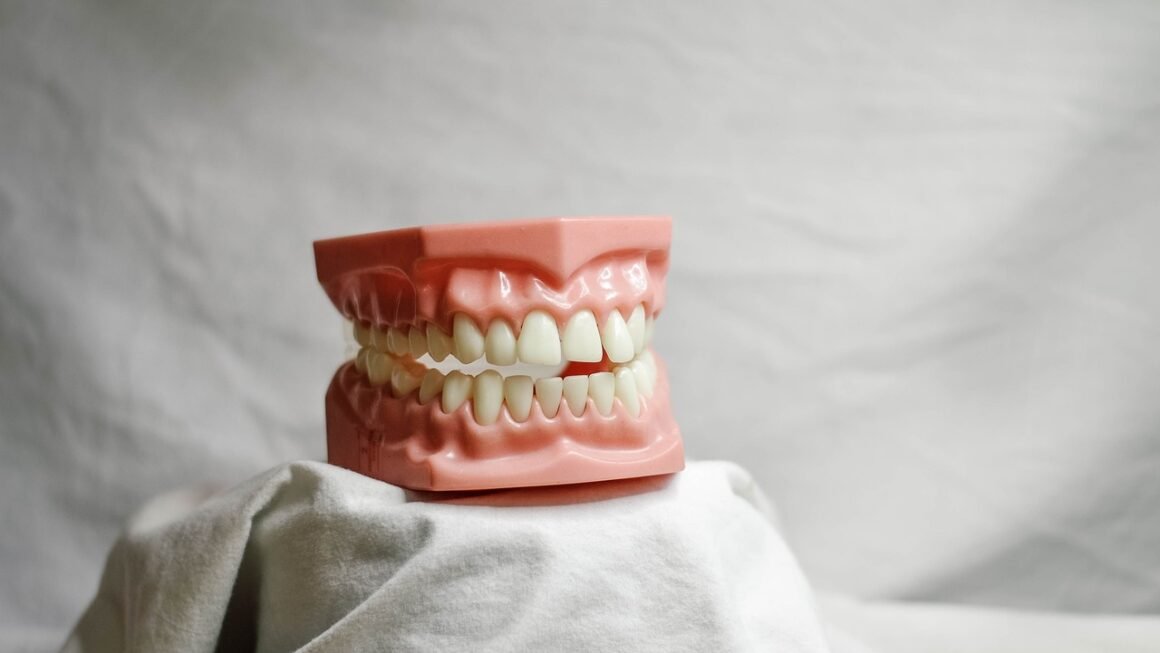
Maintaining a healthy smile is about more than just aesthetics; it’s a cornerstone of overall well-being. From preventing cavities and gum disease to boosting your confidence, good dental hygiene habits are an investment that pays off throughout your life. This guide will walk you through the essential practices for achieving and maintaining optimal oral health, providing practical tips and actionable advice to keep your smile shining brightly.
The Importance of Brushing: Your First Line of Defense
Brushing is arguably the most critical aspect of your dental hygiene routine. It removes plaque and food particles, preventing the buildup that leads to cavities, gum disease, and bad breath.
Choosing the Right Toothbrush
- Soft Bristles: Opt for a toothbrush with soft bristles to avoid damaging your gums and tooth enamel. Hard bristles can be abrasive and cause sensitivity over time.
- Size and Shape: Select a toothbrush that fits comfortably in your mouth and allows you to reach all surfaces of your teeth.
- Electric vs. Manual: Both electric and manual toothbrushes can be effective. Electric toothbrushes often have built-in timers and rotating heads, which can aid in more thorough cleaning. A 2019 study published in the Journal of Clinical Periodontology found that electric toothbrushes are slightly more effective at removing plaque and reducing gingivitis than manual toothbrushes.
- Example: The American Dental Association (ADA) provides a list of accepted toothbrushes on their website, indicating they meet certain safety and effectiveness standards.
Mastering the Brushing Technique
- Angle: Hold your toothbrush at a 45-degree angle to your gums.
- Motion: Use gentle, short, circular motions to clean each tooth. Avoid scrubbing aggressively.
- Coverage: Brush all surfaces of each tooth: the outer surface, the inner surface, and the chewing surface. Don’t forget to brush your tongue to remove bacteria and freshen your breath.
- Duration: Brush for at least two minutes each time. Many electric toothbrushes have a built-in timer to help you achieve this. Divide your mouth into quadrants (upper right, upper left, lower right, lower left) and spend 30 seconds on each.
Frequency and Timing
- Twice a Day: Brush your teeth at least twice a day, once in the morning and once before bed.
- After Meals (Optional): While not always practical, brushing after meals can help remove food particles and prevent plaque buildup. If you can’t brush, rinse your mouth with water.
- Wait After Acidic Foods: If you’ve consumed acidic foods or drinks (citrus fruits, soda), wait at least 30 minutes before brushing to allow your enamel to re-harden. Brushing immediately after can damage softened enamel.
The Power of Flossing: Reaching the Unreachable
Flossing complements brushing by removing plaque and food particles from between your teeth and under your gumline, areas your toothbrush can’t reach.
Types of Floss
- Traditional Floss: Available in waxed and unwaxed varieties. Waxed floss may be easier to slide between tight teeth.
- Floss Picks: Convenient, pre-threaded floss holders. Useful for people with dexterity issues or those who find traditional flossing difficult.
- Interdental Brushes: Small brushes designed to clean between teeth, particularly effective for people with larger gaps or braces.
Proper Flossing Technique
- Length: Use about 18 inches of floss, winding most of it around your middle fingers, leaving a few inches to work with.
- Guidance: Gently guide the floss between your teeth using a sawing motion.
- Curve: Curve the floss into a “C” shape around each tooth, making sure to go below the gumline.
- Up and Down: Move the floss up and down against the side of each tooth to remove plaque and debris. Use a clean section of floss for each tooth.
When and How Often to Floss
- Daily: Floss at least once a day, preferably before bedtime.
- Consistency: Make flossing a consistent part of your routine to prevent plaque buildup and gum disease.
- Bleeding: If your gums bleed when you floss, don’t stop. Bleeding is often a sign of inflammation, which can improve with regular flossing. If bleeding persists after a week or two, consult your dentist.
Beyond Brushing and Flossing: Additional Oral Hygiene Practices
While brushing and flossing are the cornerstones of good dental hygiene, several other practices can contribute to a healthier mouth.
Mouthwash: A Refreshing Rinse
- Benefits: Mouthwash can help kill bacteria, freshen breath, and reduce plaque and gingivitis.
- Types:
Antiseptic Mouthwash: Contains ingredients like chlorhexidine or cetylpyridinium chloride to kill bacteria. Often prescribed by dentists for specific conditions.
Fluoride Mouthwash: Helps strengthen tooth enamel and prevent cavities.
* Cosmetic Mouthwash: Freshens breath but doesn’t offer significant therapeutic benefits.
- Usage: Rinse with mouthwash for 30 seconds after brushing and flossing. Avoid swallowing mouthwash.
- Caution: Mouthwash should not be used as a substitute for brushing and flossing. It’s an adjunct to, not a replacement for, these essential practices.
Tongue Scraping: Banishing Bacteria
- Benefits: Removing bacteria, food debris, and dead cells from the surface of your tongue can help improve breath, enhance taste perception, and reduce the risk of oral infections.
- Technique: Use a tongue scraper or the edge of your toothbrush to gently scrape your tongue from back to front. Rinse the scraper after each stroke.
Hydration: Keeping Your Mouth Moist
- Benefits: Saliva helps neutralize acids, remineralize tooth enamel, and wash away food particles. Staying hydrated promotes saliva production and protects your teeth.
- Recommendation: Drink plenty of water throughout the day, especially after meals and snacks.
- Dry Mouth: If you experience chronic dry mouth, talk to your dentist or doctor. They may recommend artificial saliva products or other treatments.
Diet: Fueling a Healthy Smile
- Limit Sugary and Acidic Foods: Sugar feeds bacteria that produce acid, which attacks tooth enamel. Acidic foods and drinks can also erode enamel directly.
- Choose Healthy Snacks: Opt for fruits, vegetables, cheese, and nuts instead of sugary snacks.
- Drink Water: Water helps wash away food particles and neutralizes acids.
- Calcium and Vitamin D: These nutrients are essential for strong teeth and bones. Include dairy products, leafy greens, and fortified foods in your diet.
Professional Dental Care: Regular Check-ups and Cleanings
Regular visits to your dentist are crucial for maintaining optimal oral health. Professional cleanings remove plaque and tartar buildup that you can’t remove at home, and your dentist can identify and treat any potential problems early on.
Frequency of Visits
- Generally: Most people should visit their dentist every six months for a check-up and cleaning.
- Individual Needs: Your dentist may recommend more frequent visits if you have a higher risk of cavities, gum disease, or other oral health issues.
- Children: Children should have their first dental visit around their first birthday or within six months of their first tooth erupting.
What to Expect During a Dental Visit
- Exam: Your dentist will examine your teeth, gums, and mouth for signs of decay, gum disease, or other problems.
- Cleaning: A dental hygienist will remove plaque and tartar from your teeth using specialized tools.
- X-rays: X-rays may be taken to detect cavities, bone loss, or other issues that aren’t visible during a visual exam.
- Fluoride Treatment: A fluoride treatment may be applied to strengthen your tooth enamel and prevent cavities.
- Consultation: Your dentist will discuss any findings with you and recommend any necessary treatment.
Addressing Dental Issues Promptly
- Don’t Delay: If you experience any symptoms such as tooth pain, bleeding gums, or sensitivity to hot or cold, see your dentist as soon as possible.
- Early Intervention: Early detection and treatment of dental problems can prevent them from becoming more serious and expensive.
- Example: A small cavity can often be treated with a simple filling. If left untreated, it can progress to a root canal or even tooth extraction.
Conclusion
Adopting and maintaining consistent dental hygiene habits is essential for a healthy smile and overall well-being. Brushing twice daily, flossing daily, using mouthwash, and visiting your dentist regularly are all critical components of a comprehensive oral care routine. By prioritizing your dental health, you can prevent cavities, gum disease, and other problems, ensuring a confident and radiant smile for years to come. Remember that consistency is key. Make these habits a part of your daily routine, and you’ll reap the rewards of a healthy and beautiful smile.