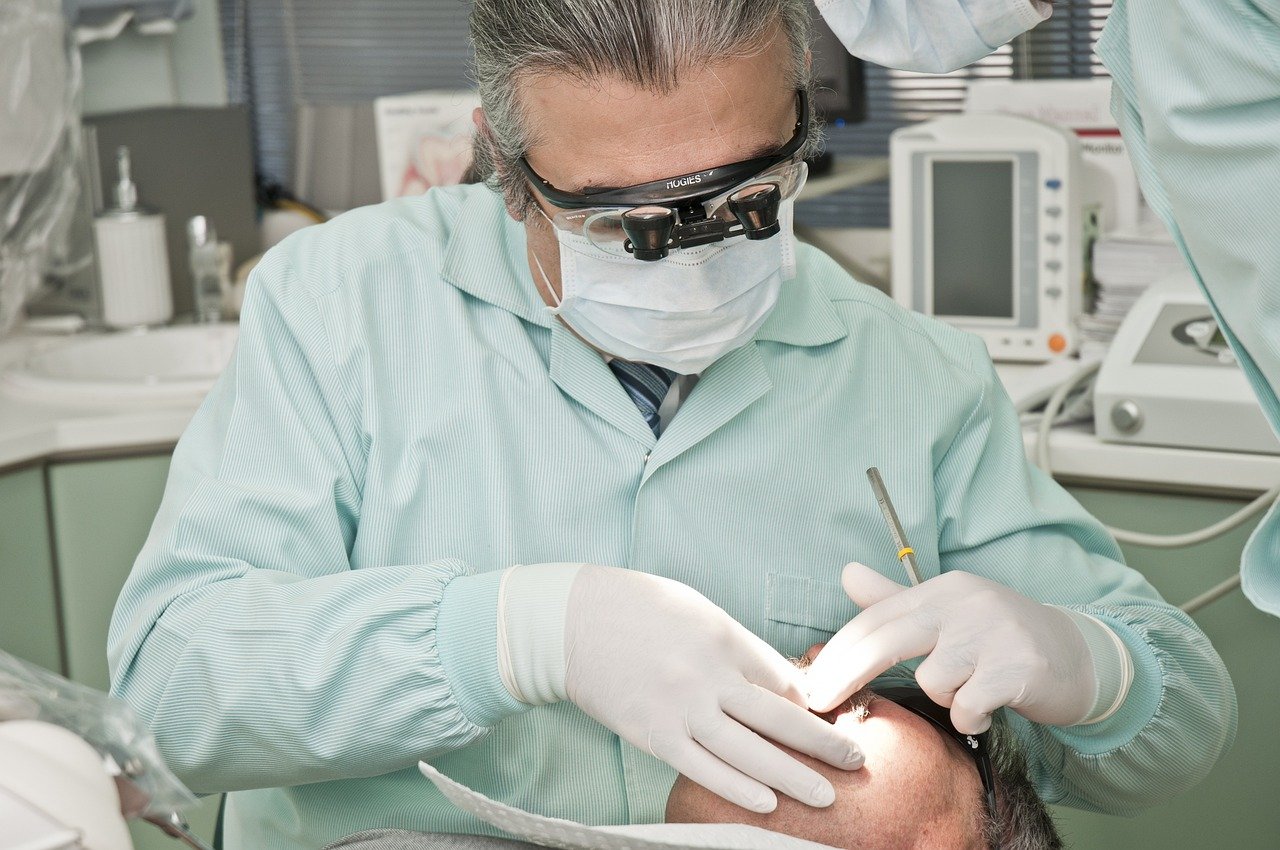
Periodontal disease, often referred to as gum disease, is a silent but serious threat to your oral health. It affects millions of people worldwide and, if left untreated, can lead to tooth loss and other significant health complications. Understanding periodontal treatment options is crucial for maintaining a healthy and vibrant smile. This comprehensive guide delves into the various aspects of periodontal treatment, helping you make informed decisions about your dental care.
Understanding Periodontal Disease
What is Periodontal Disease?
Periodontal disease is an infection that damages the soft tissues and bone that support your teeth. It’s primarily caused by plaque, a sticky film of bacteria that constantly forms on your teeth. When plaque isn’t removed through regular brushing and flossing, it can harden into tartar (calculus), which makes it even harder to clean.
- Gingivitis: The early stage of periodontal disease. Symptoms include red, swollen, and bleeding gums. At this stage, damage is reversible with professional treatment and good oral hygiene.
- Periodontitis: If gingivitis is left untreated, it can progress to periodontitis. In this stage, the gums pull away from the teeth, forming pockets that become infected. The bone and connective tissue that hold teeth in place break down. Eventually, teeth can become loose and may need to be removed.
Risk Factors for Periodontal Disease
Several factors can increase your risk of developing periodontal disease:
- Poor Oral Hygiene: Inadequate brushing and flossing habits.
- Smoking: Significantly weakens the immune system and makes it harder to fight infection.
- Diabetes: Makes it harder to control blood sugar levels, which can exacerbate periodontal disease. People with diabetes are also more susceptible to infections.
- Genetics: Some individuals are genetically predisposed to periodontal disease.
- Certain Medications: Some medications can reduce saliva flow, making it easier for plaque to accumulate.
- Age: The risk of periodontal disease increases with age. According to the CDC, over 70% of Americans 65 and older have periodontal disease.
- Poor Nutrition: A diet lacking in essential nutrients can weaken the immune system and make it harder to fight infection.
Symptoms of Periodontal Disease
Recognizing the symptoms of periodontal disease is vital for early intervention:
- Red, swollen, or tender gums
- Bleeding gums when brushing or flossing
- Persistent bad breath
- Receding gums
- Loose teeth
- Changes in the way your teeth fit together when you bite
- Pus between your teeth and gums
- Actionable Takeaway: If you notice any of these symptoms, schedule an appointment with your dentist or periodontist immediately. Early detection and treatment are key to preventing further damage.
Non-Surgical Periodontal Treatment
Scaling and Root Planing
Scaling and root planing, often referred to as “deep cleaning,” is a non-surgical procedure used to remove plaque and tartar from below the gum line.
- Scaling: Involves removing plaque and tartar from the tooth surface and from the periodontal pockets using specialized instruments. Ultrasonic scalers are often used to break up hard deposits.
- Root Planing: Smooths the root surfaces of the teeth to prevent plaque and bacteria from easily accumulating. This also helps the gums reattach to the teeth.
This procedure is usually performed under local anesthesia to minimize discomfort. Depending on the severity of the disease, it may be done in one or more appointments. Post-procedure, you might experience some sensitivity, but this usually subsides within a few days.
Antibiotic Therapy
Antibiotics can be used in conjunction with scaling and root planing to help control bacterial infection.
- Oral Antibiotics: May be prescribed to combat widespread infection.
- Local Antibiotics: Placed directly into the periodontal pockets to deliver targeted medication. Examples include:
Arestin: A minocycline-based antibiotic delivered in microspheres.
PerioChip: A chlorhexidine-based chip inserted into the pocket.
The choice of antibiotic depends on the specific bacteria causing the infection and your overall health. Your periodontist will determine the most appropriate treatment plan.
Laser Periodontal Therapy
Laser periodontal therapy is a minimally invasive treatment option that uses lasers to remove diseased tissue and bacteria from the periodontal pockets.
- Benefits:
Reduced bleeding and swelling
Less discomfort
Faster healing
Preservation of healthy tissue
- Example: LANAP (Laser Assisted New Attachment Procedure) is a well-known laser periodontal therapy that aims to regenerate lost bone and tissue.
Laser therapy is often used as an adjunct to scaling and root planing, providing additional benefits in controlling the infection and promoting tissue regeneration.
- Actionable Takeaway: Non-surgical periodontal treatments are often the first line of defense against gum disease. Proper oral hygiene following these treatments is crucial for maintaining long-term results.
Surgical Periodontal Treatment
When non-surgical treatments are not sufficient to control periodontal disease, surgical options may be necessary.
Flap Surgery (Pocket Reduction Surgery)
Flap surgery involves lifting the gums back to remove tartar and bacteria from deep pockets around the teeth.
- Procedure: The periodontist makes small incisions in the gums to create a “flap.” The flap is then lifted to expose the roots of the teeth for thorough cleaning. In some cases, irregular surfaces of the damaged bone are smoothed to limit areas where bacteria can hide.
- Benefits: Reduces pocket depth, making it easier to keep the area clean.
- Example: If a patient has pocket depths of 6mm or more after scaling and root planing, flap surgery may be recommended.
After cleaning and smoothing, the gums are sutured back into place. Over time, the gums will heal and reattach to the teeth.
Bone Grafting
Bone grafting is a surgical procedure used to replace bone that has been destroyed by periodontal disease.
- Procedure: Bone graft material, which can be from your own body (autograft), a donor (allograft), or synthetic material, is placed in the area of bone loss.
- Benefits: Helps to stabilize teeth, promote bone regeneration, and restore the structural integrity of the jawbone.
- Example: If a patient has significant bone loss around a tooth, a bone graft can be used to rebuild the bone support and prevent tooth loss.
Guided Tissue Regeneration (GTR)
Guided tissue regeneration (GTR) is a procedure used to regenerate lost bone and soft tissue.
- Procedure: A special membrane is placed between the gum and the bone to prevent the gums from growing into the area where bone or supporting tissues should be. This allows bone and connective tissue to regenerate.
- Benefits: Promotes the growth of new bone and soft tissue, helping to restore the support for your teeth.
- Example: GTR is often used in conjunction with bone grafting to enhance the regenerative process.
Soft Tissue Grafts (Gum Grafts)
Soft tissue grafts, also known as gum grafts, are used to cover exposed tooth roots and correct gum recession.
- Procedure: Tissue is taken from another area of your mouth, typically the palate (roof of your mouth), and grafted onto the affected area.
- Benefits: Covers exposed tooth roots, reduces sensitivity, protects teeth from decay, and improves the appearance of your smile.
- Example: If a patient has significant gum recession, a soft tissue graft can be used to restore the gum line and protect the tooth root.
- Actionable Takeaway: Surgical periodontal treatments are reserved for more advanced cases of gum disease. It’s crucial to follow your periodontist’s post-operative instructions carefully to ensure proper healing and prevent complications.
Maintaining Periodontal Health After Treatment
Successful periodontal treatment requires ongoing maintenance to prevent recurrence of the disease.
Regular Dental Cleanings
- Importance: Regular dental cleanings are essential for removing plaque and tartar buildup, even after periodontal treatment.
- Frequency: Your dentist or periodontist will recommend a personalized cleaning schedule, typically every 3-4 months.
- Benefits: Helps to keep the periodontal pockets clean, prevent inflammation, and detect any signs of recurrent disease early.
Proper Oral Hygiene at Home
- Brushing: Brush your teeth at least twice a day with fluoride toothpaste. Use a soft-bristled toothbrush and gently massage the gums.
- Flossing: Floss daily to remove plaque and food particles from between your teeth and below the gum line.
- Interdental Brushes: Use interdental brushes or dental picks to clean between your teeth, especially in areas where pockets are present.
- Mouthwash: Use an antiseptic mouthwash to help kill bacteria and reduce inflammation. Chlorhexidine mouthwash may be prescribed by your dentist or periodontist.
Lifestyle Modifications
- Quit Smoking: Smoking significantly increases your risk of periodontal disease and can hinder the healing process.
- Manage Diabetes: Controlling your blood sugar levels is crucial for preventing periodontal disease and managing its progression.
- Healthy Diet: Eat a balanced diet rich in vitamins and minerals to support your immune system and promote oral health. Limit sugary snacks and drinks.
- Stress Management: Chronic stress can weaken the immune system and exacerbate periodontal disease. Practice stress-reducing activities such as exercise, yoga, or meditation.
- Actionable Takeaway: Periodontal treatment is only the first step. Consistent maintenance through professional cleanings, diligent home care, and lifestyle modifications is essential for long-term periodontal health.
The Role of a Periodontist
What is a Periodontist?
A periodontist is a dentist who specializes in the prevention, diagnosis, and treatment of periodontal disease. They receive three additional years of training after dental school.
When to See a Periodontist
You should consider seeing a periodontist if:
- You have symptoms of periodontal disease, such as bleeding gums, receding gums, or loose teeth.
- You have been diagnosed with periodontal disease and your general dentist recommends a specialist.
- You have risk factors for periodontal disease, such as smoking, diabetes, or a family history of gum disease.
- You are considering dental implants, as a healthy periodontal environment is crucial for implant success.
Benefits of Seeing a Periodontist
- Specialized Expertise: Periodontists have advanced training and experience in treating periodontal disease.
- Comprehensive Treatment Options: Periodontists offer a wide range of treatment options, including non-surgical and surgical procedures.
- Improved Outcomes: Seeing a periodontist can improve your chances of successfully managing periodontal disease and preserving your teeth.
- Actionable Takeaway:* If you suspect you have periodontal disease, don’t hesitate to seek the expertise of a periodontist. Their specialized knowledge and skills can help you restore and maintain your oral health.
Conclusion
Periodontal treatment is essential for combating gum disease and safeguarding your oral health. From non-surgical procedures like scaling and root planing to surgical interventions like bone grafting, a variety of treatment options are available to address different stages of the disease. Crucially, maintaining excellent oral hygiene at home and adhering to a regular professional cleaning schedule are vital for long-term success. By understanding the risk factors, recognizing the symptoms, and seeking appropriate treatment from a qualified dental professional, you can effectively manage periodontal disease and enjoy a healthy, beautiful smile for years to come. Don’t underestimate the importance of periodontal health—it’s a cornerstone of overall well-being.