Navigating the world of dental insurance can feel like deciphering a foreign language, especially when it comes to understanding what’s covered and what’s not. One area that often causes confusion is restorative dental coverage. Simply put, it’s the part of your dental plan that helps pay for procedures that repair or replace damaged teeth. This blog post will break down everything you need to know about restorative dental coverage, from the types of procedures it covers to understanding your plan’s limitations, ensuring you’re well-informed and ready to make the best decisions for your oral health.
Understanding Restorative Dental Procedures
Restorative dentistry focuses on repairing teeth that have been damaged by decay, injury, or wear and tear. It’s all about bringing your smile back to its optimal function and aesthetics. Understanding what falls under this umbrella is crucial for knowing what your dental insurance is likely to cover.
Types of Restorative Procedures Covered
- Fillings: These are the most common restorative procedure, used to repair cavities. Common filling materials include composite (tooth-colored), amalgam (silver), and gold. Most dental plans cover fillings, but the type of material covered might vary, with some plans only covering amalgam fillings on back teeth.
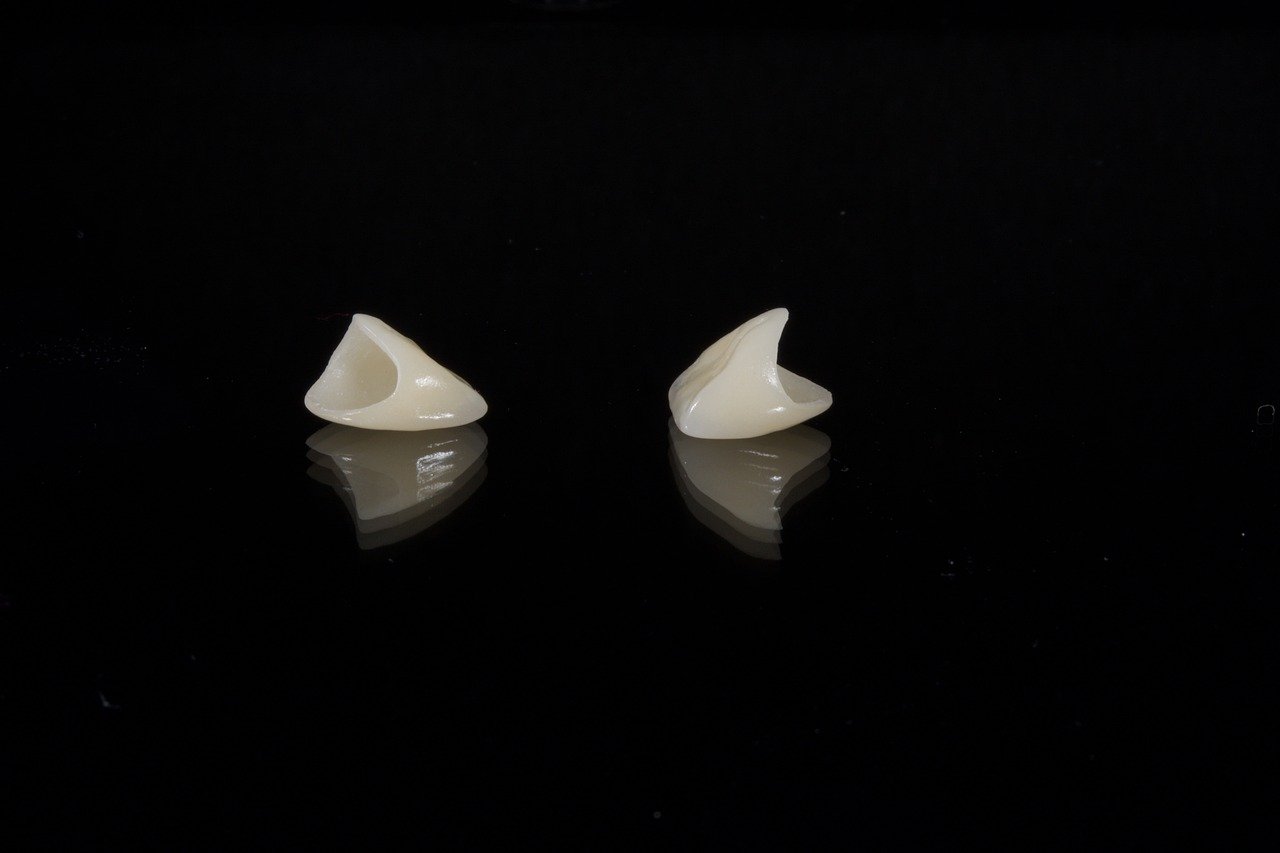
- Crowns: These tooth-shaped caps are placed over damaged or weakened teeth to restore their shape, size, strength, and appearance. They’re often necessary after a root canal or when a tooth is severely decayed.
- Bridges: Bridges are used to fill gaps left by missing teeth. They consist of a false tooth (pontic) anchored by crowns on the adjacent teeth.
- Dentures: These are removable appliances used to replace missing teeth, either partial dentures (replacing some teeth) or complete dentures (replacing all teeth in an arch).
- Dental Implants: While technically a replacement procedure, implants often involve a restorative component (the crown or abutment). However, coverage for implants is often limited and may require specific plan riders or pre-authorization.
- Inlays and Onlays: These are similar to fillings but are made outside of the mouth and then cemented onto the tooth. They’re used for larger cavities than fillings can effectively restore.
- Root Canals: Though often categorized separately, root canals are crucial for saving teeth with infected pulp and are therefore intrinsically linked to restorative dentistry. Coverage is usually good but might be subject to co-pays and limitations.
Factors Influencing Coverage
- Necessity: Insurers typically require that restorative procedures be deemed medically necessary. This means the treatment is required to alleviate pain, restore function, or prevent further oral health problems.
- Pre-existing Conditions: Some dental plans may have limitations on covering pre-existing conditions, such as missing teeth before the policy’s effective date. Always review the policy details carefully.
- Waiting Periods: Many dental insurance plans have waiting periods, typically ranging from a few months to a year, before covering major restorative procedures like crowns, bridges, and dentures.
Deciphering Your Dental Insurance Plan
Understanding your dental insurance policy is essential for knowing what restorative treatments are covered and what your out-of-pocket expenses will be. Don’t be afraid to ask questions!
Key Terms to Know
- Premium: The monthly fee you pay to maintain your dental insurance coverage.
- Deductible: The amount you must pay out-of-pocket before your insurance starts covering costs. For example, if your deductible is $100, you’ll pay the first $100 of covered services before your insurance kicks in.
- Coinsurance: The percentage of the cost that you and your insurance company share after you’ve met your deductible. For instance, an 80/20 coinsurance split means your insurance pays 80% and you pay 20%.
- Annual Maximum: The maximum amount your dental insurance will pay for covered services in a benefit year. Once you reach this limit, you’re responsible for all remaining costs.
- Exclusions: Specific services or procedures that your dental plan doesn’t cover. These are usually listed in the policy documents.
Reading Your Benefits Summary
Your benefits summary is your best friend when it comes to understanding your coverage. It outlines:
- Covered services and their associated copays or coinsurance.
- Deductible amount and whether it applies to all services or only certain ones.
- Annual maximum benefit.
- Waiting periods for specific procedures.
- Exclusions and limitations.
- Actionable Takeaway: Obtain and thoroughly review your benefits summary. Contact your insurance provider if anything is unclear.
Maximizing Your Restorative Dental Coverage
Getting the most out of your dental insurance involves strategic planning and proactive communication with your dentist and insurance provider.
Planning and Prevention
- Regular Checkups: Preventive care, such as regular cleanings and exams, is usually covered at 100% by most dental plans. These visits allow your dentist to detect and address potential problems early, often preventing the need for more extensive and costly restorative procedures.
- Proactive Treatment: Addressing minor dental issues promptly can prevent them from escalating into more significant problems that require extensive restorative treatment. A small filling now might save you from needing a root canal and crown later.
Getting Pre-Authorization
- For major restorative procedures, like crowns, bridges, and implants, it’s often advisable to get pre-authorization from your dental insurance company. This involves submitting a treatment plan from your dentist to the insurance company for review. They will then determine if the procedure is covered and estimate your out-of-pocket costs.
- Pre-authorization provides clarity and prevents unexpected bills.
Exploring Payment Options
- Payment Plans: Many dental offices offer payment plans to help patients manage the cost of restorative procedures.
- Dental Savings Plans: These plans offer discounts on dental services at participating providers. While not insurance, they can provide significant savings.
- CareCredit: A healthcare credit card that can be used to finance dental treatments.
Common Restorative Dental Coverage Scenarios
Let’s look at some practical examples to illustrate how restorative dental coverage typically works.
Scenario 1: Filling a Cavity
- You have a dental plan with a $50 deductible and 80/20 coinsurance for basic services like fillings.
- You need a composite filling that costs $200.
- First, you pay your $50 deductible.
- Then, your insurance covers 80% of the remaining $150 ($120), and you pay the remaining 20% ($30).
- Your total out-of-pocket cost for the filling is $80 ($50 deductible + $30 coinsurance).
Scenario 2: Getting a Crown
- You have a dental plan with a $100 deductible and 50/50 coinsurance for major services like crowns.
- You need a crown that costs $1,000.
- First, you pay your $100 deductible.
- Then, your insurance covers 50% of the remaining $900 ($450), and you pay the remaining 50% ($450).
- Your total out-of-pocket cost for the crown is $550 ($100 deductible + $450 coinsurance).
Scenario 3: Considering Dental Implants
- Your dental plan does not cover dental implants.
- The cost of a single implant, including the abutment and crown, is approximately $5,000.
- You are responsible for the entire $5,000 out of pocket.
- Alternative payment options, such as payment plans or CareCredit, might be explored to make the procedure more affordable.
- Actionable Takeaway: Get a detailed treatment plan and cost estimate from your dentist before proceeding with any restorative work. Submit this plan to your insurance company for pre-authorization to understand your exact out-of-pocket expenses.
Conclusion
Understanding your restorative dental coverage is crucial for maintaining optimal oral health without breaking the bank. By familiarizing yourself with the different types of restorative procedures, deciphering your dental insurance plan, maximizing your coverage through proactive planning, and understanding common coverage scenarios, you can make informed decisions about your dental care. Don’t hesitate to ask your dentist and insurance provider questions to ensure you have a clear understanding of your benefits and responsibilities. Ultimately, being proactive and informed empowers you to take control of your oral health and smile with confidence.