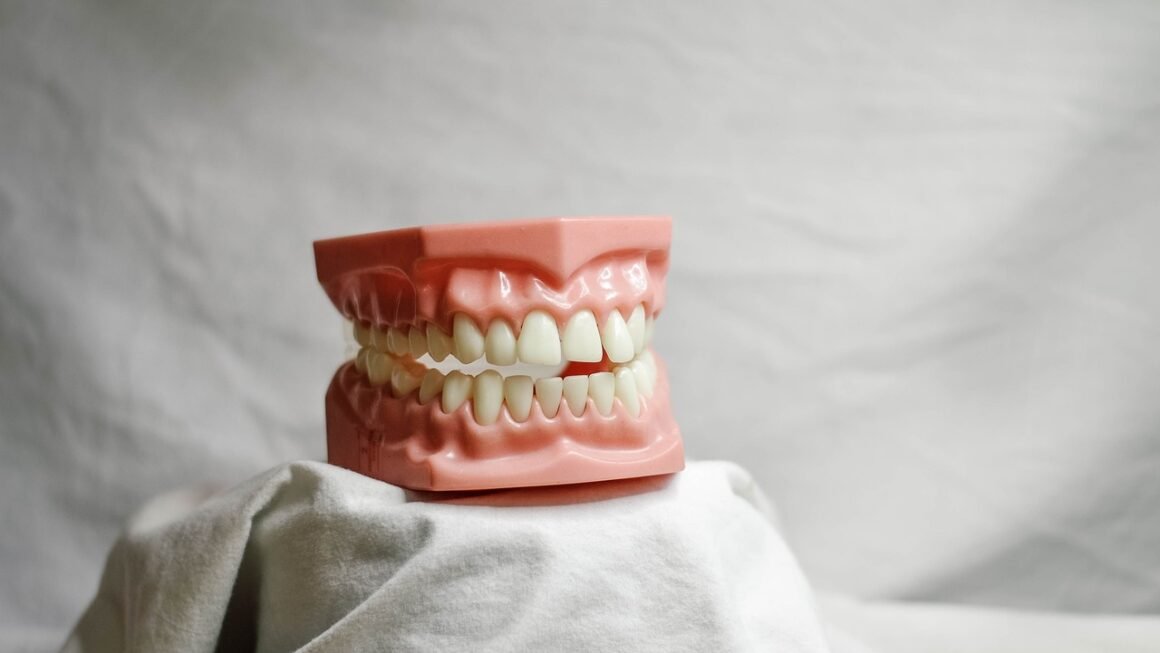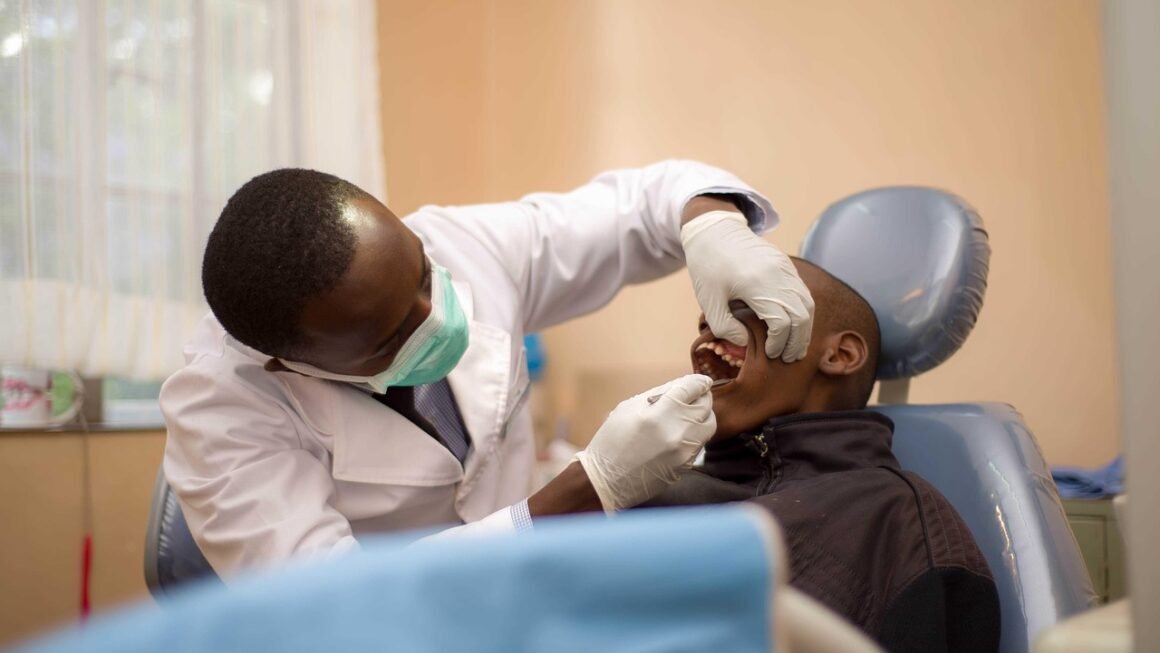
Dental checkups are a cornerstone of maintaining optimal oral health. Regular visits to your dentist are not just about addressing immediate problems; they’re about preventing issues before they even start, saving you time, money, and discomfort in the long run. Understanding the recommended dental checkup schedule and what it entails can empower you to take proactive steps towards a healthier, brighter smile.
Why Regular Dental Checkups Are Crucial
Prevention is Better Than Cure
- Early Detection: Regular checkups allow your dentist to identify potential problems like cavities, gum disease, and even oral cancer in their earliest stages. Early detection means less invasive and more effective treatment options.
- Preventive Treatments: Professional cleanings remove plaque and tartar buildup, which can lead to tooth decay and gum disease. Fluoride treatments strengthen enamel and protect against cavities.
- Personalized Advice: Your dentist can provide tailored advice on brushing, flossing, and diet to optimize your oral hygiene routine.
For example, detecting early signs of gingivitis (gum inflammation) during a checkup allows your dentist to recommend improved oral hygiene practices, preventing the condition from progressing to periodontitis, a more severe form of gum disease that can lead to tooth loss.
The Financial Benefits of Prevention
- Reduced Treatment Costs: Addressing minor issues early is significantly less expensive than treating advanced problems. A small cavity found during a checkup can be filled quickly and affordably, preventing the need for a costly root canal later on.
- Avoiding Complications: Untreated oral health problems can lead to systemic health issues, such as heart disease and diabetes, requiring even more extensive and expensive medical care.
According to the American Dental Association, every dollar spent on preventive dental care saves between $8 and $50 in restorative and emergency treatment costs over time.
Recommended Dental Checkup Schedule
The Standard Recommendation: Every Six Months
- Most adults and children: For individuals with good oral health and hygiene, a checkup every six months is generally recommended. This allows for regular monitoring of teeth and gums, ensuring any potential problems are caught early.
- Consistent monitoring: Six-month intervals allow your dentist to track changes in your oral health over time, providing a more comprehensive understanding of your needs.
This frequency helps maintain a baseline level of oral health and provides opportunities for preventive care.
When More Frequent Checkups Are Necessary
- Individuals with gum disease: Those with a history of gum disease may require more frequent cleanings (every 3-4 months) to manage the condition and prevent further bone loss.
- Individuals with a high risk of cavities: People prone to cavities, such as those with dry mouth or who consume a lot of sugary drinks, may benefit from more frequent fluoride treatments and checkups.
- Individuals with certain medical conditions: Certain medical conditions, such as diabetes, can increase the risk of oral health problems, necessitating more frequent monitoring.
- Orthodontic Treatment: If you are undergoing orthodontic treatment, your orthodontist will schedule checkups to monitor the progress of your treatment and make necessary adjustments.
- Example: A patient with a history of periodontitis might need to see their dentist every three months for deep cleanings and monitoring to keep the disease under control.
Considerations for Children
- First dental visit: The American Academy of Pediatric Dentistry recommends that children have their first dental visit by age one, or within six months of their first tooth erupting.
- Frequency: After the initial visit, children should typically follow the standard six-month checkup schedule. However, children with a high risk of cavities or other oral health issues may need more frequent visits.
Early dental visits help children become comfortable with dental care and allow dentists to identify and address potential problems early on.
What to Expect During a Dental Checkup
The Examination Process
- Review of medical history: Your dentist will review your medical history to identify any factors that could affect your oral health.
- Clinical examination: This includes a visual examination of your teeth, gums, and oral tissues to look for signs of cavities, gum disease, oral cancer, and other abnormalities.
- X-rays: X-rays may be taken to detect hidden problems, such as cavities between teeth or bone loss.
- Oral cancer screening: Your dentist will examine your mouth for any signs of oral cancer, such as sores, lumps, or changes in tissue color.
During the clinical exam, dentists use specialized instruments to probe your teeth and gums, looking for signs of inflammation, pocket depths (a measure of gum recession), and weakened enamel.
Professional Cleaning
- Scaling: Removal of plaque and tartar from the surface of your teeth.
- Polishing: Smoothing the surface of your teeth to remove stains and make it harder for plaque to adhere.
- Flossing: Cleaning between your teeth to remove plaque and food particles.
A professional cleaning reaches areas that are difficult to clean with regular brushing and flossing, helping to prevent tooth decay and gum disease.
Discussion and Recommendations
- Treatment plan: If any problems are identified, your dentist will discuss treatment options and create a personalized treatment plan.
- Oral hygiene advice: Your dentist will provide advice on improving your brushing, flossing, and diet to maintain good oral health.
- Answering your questions: This is an opportunity to ask your dentist any questions you have about your oral health or treatment options.
Take advantage of this time to discuss any concerns you have and get clarification on any recommendations made by your dentist.
Finding the Right Dentist and Scheduling Appointments
Choosing a Dental Professional
- Ask for recommendations: Get referrals from friends, family, or your primary care physician.
- Check online reviews: Read online reviews to get an idea of the dentist’s reputation and patient satisfaction.
- Consider location and insurance: Choose a dentist who is conveniently located and accepts your insurance plan.
- Schedule a consultation: Before committing to a dentist, schedule a consultation to meet them, discuss your needs, and get a feel for their practice.
- Tip: When researching dentists, look for those who are members of professional organizations like the American Dental Association (ADA), indicating a commitment to professional development and ethical standards.
Tips for Scheduling and Preparing for Your Checkup
- Schedule appointments in advance: Book your appointments well in advance to ensure you get the time and date that works best for you.
- Prepare a list of questions: Write down any questions you have for your dentist before your appointment.
- Bring your insurance card: Make sure to bring your insurance card and any relevant medical records to your appointment.
- Arrive early: Arrive a few minutes early to complete any necessary paperwork and avoid feeling rushed.
- Update your medical history: Inform your dentist about any changes in your medical history, including new medications or medical conditions.
Remember that consistent communication with your dental team is key to ensuring you receive the best possible care.
Conclusion
Regular dental checkups are an investment in your overall health and well-being. By understanding the recommended schedule and what to expect during a checkup, you can take proactive steps to prevent dental problems, maintain a healthy smile, and save money in the long run. Don’t wait until you experience pain or discomfort to see your dentist. Schedule your next dental checkup today and prioritize your oral health.