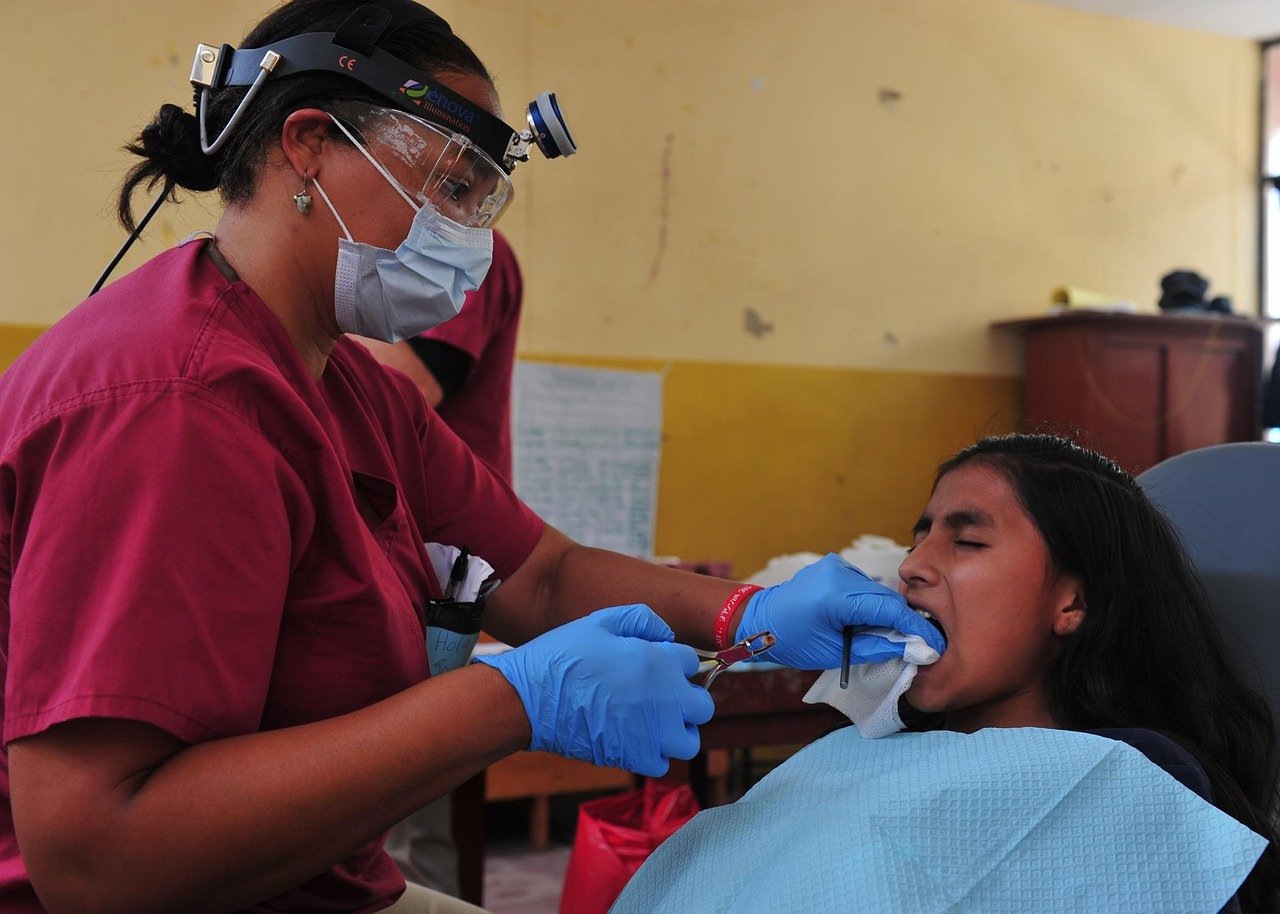
Dental care is a critical part of overall health, especially as we age. Maintaining healthy teeth and gums can prevent a host of other health problems and improve your quality of life. However, the cost of dental care can be a significant burden, particularly for seniors on a fixed income. Understanding your dental insurance options is therefore crucial for making informed decisions about your oral health.
Why Dental Insurance Matters for Seniors
As we age, our teeth become more susceptible to issues such as decay, gum disease, and tooth loss. Regular dental checkups and treatments are essential for preventing and managing these problems. Unfortunately, traditional Medicare (Parts A and B) typically doesn’t cover most dental care. This makes supplemental dental insurance for seniors a vital consideration.
The Link Between Oral Health and Overall Health
Good oral health is more than just a nice smile; it’s directly linked to your overall well-being. Studies have shown connections between oral health problems and:
- Heart Disease: Bacteria from infected gums can enter the bloodstream and potentially contribute to heart disease.
- Diabetes: Gum disease can make it more difficult to control blood sugar levels.
- Respiratory Infections: Bacteria in the mouth can be inhaled into the lungs, leading to pneumonia and other respiratory problems.
- Cognitive Decline: Some research suggests a link between gum disease and cognitive decline, including Alzheimer’s disease.
The Financial Impact of Neglecting Dental Care
Postponing dental care due to cost can lead to more complex and expensive problems down the line. A simple cavity, if left untreated, can progress to a root canal or even tooth extraction. Preventative care, such as regular cleanings and exams, can help you avoid these costly procedures. Investing in dental insurance can help you afford these essential services and protect your long-term health.
- Actionable Takeaway: Prioritize dental care as part of your overall health plan and consider the potential long-term costs of neglecting your oral health.
Understanding Your Dental Insurance Options
Navigating the world of dental insurance can be confusing. Several options are available for seniors, each with its own benefits and drawbacks.
Medicare Advantage Plans (Part C)
Some Medicare Advantage plans offer dental coverage as part of their package. These plans are offered by private insurance companies and can vary significantly in terms of coverage, costs, and provider networks.
- Pros: Often include dental, vision, and hearing benefits in one plan; can be more comprehensive than standalone dental insurance.
- Cons: May have limited provider networks; coverage levels can vary widely; premiums and out-of-pocket costs can fluctuate.
- Example: A Medicare Advantage plan might offer coverage for preventative care (cleanings and exams), basic restorative care (fillings), and even some major restorative care (crowns and dentures). However, the plan might have a high deductible or co-insurance, limiting its value if you don’t need extensive work.
Standalone Dental Insurance Policies
These are individual dental insurance policies purchased directly from an insurance company. They typically offer a wider range of coverage options than Medicare Advantage plans.
- Pros: Greater flexibility in choosing coverage levels; often have broader provider networks; can tailor coverage to your specific needs.
- Cons: Usually have separate premiums from Medicare; may have waiting periods for certain procedures; can be more expensive than Medicare Advantage dental coverage.
- Example: You might choose a standalone dental insurance policy that covers 100% of preventative care, 80% of basic restorative care, and 50% of major restorative care, up to an annual maximum. This could be a good option if you anticipate needing more extensive dental work.
Discount Dental Plans
These are membership-based plans that offer discounts on dental services from participating dentists. They are not insurance policies.
- Pros: Lower monthly fees; no waiting periods; often no annual maximums.
- Cons: Not insurance; you pay a discounted rate directly to the dentist; limited provider networks; discounts may not be substantial.
- Example: A discount dental plan might offer a 20% discount on all dental services from participating dentists. This could be a good option if you primarily need preventative care and have a dentist who participates in the plan.
- Actionable Takeaway: Compare different dental insurance options, including Medicare Advantage plans, standalone policies, and discount dental plans, to find the best fit for your needs and budget.
What to Look for in a Dental Insurance Plan
When evaluating dental insurance plans, several key factors should influence your decision.
Coverage Levels
Understand what percentage of the cost each type of service is covered. Common coverage levels are:
- Preventative Care: Cleanings, exams, and X-rays (often covered at 100%).
- Basic Restorative Care: Fillings, extractions (typically covered at 80%).
- Major Restorative Care: Crowns, dentures, implants (usually covered at 50%).
Annual Maximums
The annual maximum is the total amount the insurance company will pay for dental care in a given year. Consider if the annual maximum is sufficient to cover your potential dental needs.
- Example: A plan with a $1,000 annual maximum might not be enough if you need a crown that costs $1,200, even with 50% coverage.
Waiting Periods
Many dental insurance plans have waiting periods before certain procedures are covered. This means you might have to wait several months (or even a year) before you can receive coverage for major restorative work.
- Example: A plan might have a 6-month waiting period for basic restorative care and a 12-month waiting period for major restorative care.
Provider Networks
Check if your dentist is in the insurance plan’s network. Using in-network providers typically results in lower out-of-pocket costs.
- HMO Plans: Require you to choose a primary care dentist within the network.
- PPO Plans: Allow you to see any dentist, but you’ll typically pay less if you use an in-network provider.
Premiums and Out-of-Pocket Costs
Compare the monthly premiums, deductibles, co-insurance, and co-pays of different plans. Consider the overall cost of the plan, including both the upfront premiums and the potential out-of-pocket expenses.
- Actionable Takeaway: Carefully evaluate the coverage levels, annual maximums, waiting periods, provider networks, and costs of different dental insurance plans to find the best value for your needs.
Tips for Saving Money on Dental Care
Even with dental insurance, out-of-pocket costs can add up. Here are some tips for saving money on dental care:
Prioritize Preventative Care
Regular cleanings and exams can help you prevent more serious dental problems from developing, saving you money in the long run.
- Example: A professional cleaning twice a year can remove plaque and tartar, reducing your risk of cavities and gum disease.
Negotiate with Your Dentist
Some dentists are willing to negotiate their fees, especially if you are paying out-of-pocket. Don’t be afraid to ask if they offer discounts or payment plans.
Consider Dental Schools
Dental schools often offer low-cost dental care performed by students under the supervision of experienced instructors.
Look for Free or Low-Cost Dental Clinics
Many communities have free or low-cost dental clinics that offer services to those who qualify. Check with your local health department or social services agency for information.
Use Flexible Spending Accounts (FSAs) or Health Savings Accounts (HSAs)
If you have access to an FSA or HSA, you can use pre-tax dollars to pay for dental expenses.
- Actionable Takeaway:* Explore various cost-saving strategies, such as prioritizing preventative care, negotiating with your dentist, and utilizing dental schools or free clinics, to minimize your dental care expenses.
Conclusion
Choosing the right dental insurance for seniors is an important decision that can impact your oral health and overall well-being. By understanding your options, evaluating coverage levels and costs, and exploring cost-saving strategies, you can find a plan that meets your needs and budget. Don’t underestimate the importance of dental care as you age, and take proactive steps to protect your smile and your health.