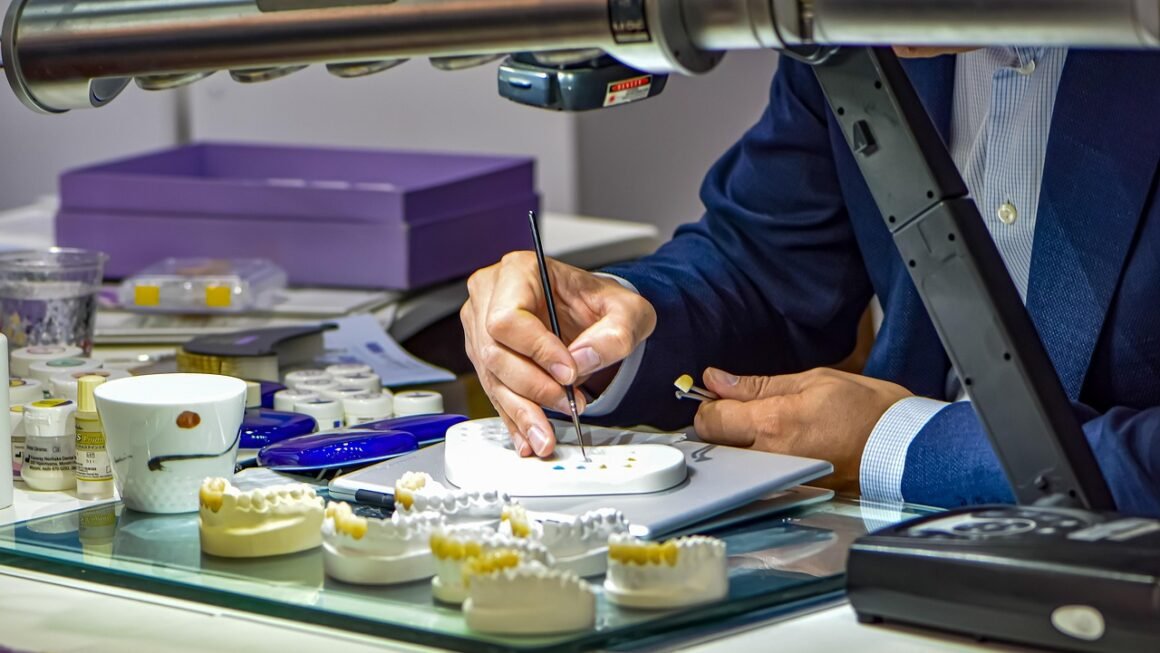
Cosmetic dentistry isn’t just about achieving a dazzling smile; it’s about enhancing your overall confidence and well-being. From subtle tweaks to complete smile makeovers, modern cosmetic dental procedures offer a wide range of solutions for improving the appearance of your teeth and gums. This comprehensive guide explores the various facets of cosmetic dentistry, helping you understand the options available and make informed decisions about your dental health.
Understanding Cosmetic Dentistry
What is Cosmetic Dentistry?
Cosmetic dentistry focuses on improving the aesthetics of your teeth, gums, and bite. Unlike general dentistry, which primarily addresses oral health and function, cosmetic dentistry aims to enhance the appearance of your smile. However, it’s important to note that cosmetic procedures can also contribute to improved oral health in some cases.
Goals of Cosmetic Dentistry
- Improving the color of teeth: Addressing stains and discoloration.
- Correcting alignment: Straightening crooked or misaligned teeth.
- Repairing damage: Fixing chips, cracks, or gaps in teeth.
- Reshaping teeth: Altering the size, shape, or length of teeth.
- Replacing missing teeth: Restoring a complete and natural-looking smile.
- Enhancing gums: Correcting gummy smiles and improving gum symmetry.
Why Consider Cosmetic Dentistry?
- Boosted Confidence: A beautiful smile can significantly improve self-esteem and confidence in social and professional settings.
- Improved Oral Health: Some cosmetic procedures, like straightening teeth, can make it easier to clean teeth and prevent dental problems.
- Enhanced Appearance: Correcting imperfections can create a more youthful and attractive appearance.
- Long-Term Investment: Many cosmetic dental treatments offer durable and long-lasting results, making them a worthwhile investment in your future.
Popular Cosmetic Dental Procedures
Teeth Whitening
Teeth whitening is one of the most popular and affordable cosmetic dental treatments. It involves bleaching the teeth to remove stains and discoloration.
- Professional Teeth Whitening: Performed in a dental office, offering faster and more dramatic results than over-the-counter options. Dentists use stronger bleaching agents and can protect your gums from irritation.
- At-Home Whitening Kits: Custom-fitted trays and professional-grade whitening gel provided by your dentist for convenient use at home.
- Over-the-Counter Whitening Products: Whitening strips, toothpaste, and mouthwashes available at drugstores. These are less potent and may take longer to produce noticeable results.
- Example: Professional teeth whitening can lighten teeth by several shades in just one appointment, offering immediate and visible improvement.
Porcelain Veneers
Porcelain veneers are thin, custom-made shells that are bonded to the front surface of teeth to improve their appearance.
- What They Fix: Chipped, cracked, discolored, misshapen, or slightly misaligned teeth.
- Benefits: Natural-looking, stain-resistant, and durable.
- Procedure: Requires removing a small amount of enamel, taking an impression, and bonding the veneers to the teeth.
- Example: Veneers can close gaps between teeth, creating a more uniform and attractive smile.
Dental Implants
Dental implants are artificial tooth roots that are surgically placed into the jawbone to support replacement teeth.
- What They Fix: Missing teeth due to decay, injury, or other reasons.
- Benefits: Permanent, stable, and natural-looking tooth replacement option. Help prevent bone loss and maintain facial structure.
- Procedure: Involves multiple stages, including implant placement, healing (osseointegration), and attachment of a crown, bridge, or denture.
- Example: A single dental implant can replace a missing molar, restoring chewing function and preventing adjacent teeth from shifting.
Dental Crowns
Dental crowns, also known as caps, are tooth-shaped coverings that are placed over damaged or decayed teeth to restore their shape, size, strength, and appearance.
- What They Fix: Severely damaged, decayed, or weakened teeth.
- Benefits: Protect and strengthen teeth, improve appearance, and restore function.
- Materials: Porcelain, ceramic, metal alloys, or composite resin.
- Procedure: Requires removing some tooth structure and fitting the crown over the remaining tooth.
- Example: A crown can restore a tooth that has been severely cracked or broken due to an accident.
Orthodontics (Braces and Aligners)
Orthodontics focuses on straightening teeth and correcting bite problems.
- Traditional Braces: Metal brackets and wires that gradually shift teeth into the correct position.
- Clear Aligners (e.g., Invisalign): Removable, transparent aligners that offer a more discreet alternative to traditional braces.
- Benefits: Improve alignment, correct bite problems, and enhance overall smile aesthetics.
- Example: Clear aligners can straighten crooked teeth without the noticeable appearance of metal braces.
Gum Contouring
Gum contouring, also known as gum reshaping, involves reshaping the gum line to improve the appearance of teeth.
- What It Fixes: Gummy smiles (excessive gum tissue), uneven gum lines.
- Benefits: Create a more balanced and aesthetically pleasing smile.
- Procedure: Involves removing excess gum tissue using a laser or scalpel.
- Example: Gum contouring can make short teeth appear longer and more proportionate.
Choosing the Right Cosmetic Dentist
Qualifications and Experience
- Board Certification: Look for a dentist who is board-certified in cosmetic dentistry or has extensive experience in performing cosmetic procedures.
- Continuing Education: Ensure the dentist stays up-to-date with the latest advancements in cosmetic dentistry through continuing education courses.
- Before-and-After Photos: Review before-and-after photos of the dentist’s previous patients to assess their skill and artistic eye.
Consultation and Treatment Planning
- Comprehensive Consultation: A good cosmetic dentist will conduct a thorough examination, discuss your goals, and evaluate your dental health.
- Customized Treatment Plan: The dentist should develop a personalized treatment plan tailored to your specific needs and desires.
- Clear Communication: The dentist should explain the procedures in detail, discuss the risks and benefits, and answer all your questions.
Technology and Techniques
- Advanced Technology: Look for a dentist who uses advanced technology, such as digital imaging, CAD/CAM systems, and laser dentistry.
- Modern Techniques: Ensure the dentist uses modern techniques and materials to achieve the best possible results.
- Minimally Invasive Procedures: Inquire about minimally invasive procedures that preserve more of your natural tooth structure.
Cost and Financing Options
Cost Considerations
- Procedure Costs: The cost of cosmetic dental procedures can vary depending on the type of treatment, the complexity of the case, and the dentist’s fees.
- Insurance Coverage: Most cosmetic dental procedures are not covered by insurance, but some may be partially covered if they are considered medically necessary.
- Payment Options: Many dentists offer flexible payment options, such as financing plans or payment arrangements, to make cosmetic dentistry more affordable.
Financing Options
- Dental Financing Plans: Companies like CareCredit and LendingClub offer financing plans specifically for dental treatments.
- In-House Financing: Some dental offices offer in-house financing options with customized payment schedules.
- Health Savings Accounts (HSAs): You can use funds from your HSA to pay for eligible cosmetic dental procedures.
Conclusion
Cosmetic dentistry offers a wide range of solutions for enhancing the appearance of your smile and improving your overall confidence. By understanding the various procedures available, choosing a qualified cosmetic dentist, and exploring financing options, you can achieve the smile of your dreams. Remember to prioritize your oral health and consult with a dental professional to determine the best treatment plan for your individual needs. A beautiful and healthy smile is an investment that can last a lifetime.