The quest for a sparkling smile and healthy gums is a lifelong journey. With a vast array of oral care products available, navigating the dental aisle can feel overwhelming. But don’t worry! This comprehensive guide will demystify the world of oral hygiene, empowering you to choose the best products for a healthy, radiant smile. We’ll delve into different product categories, explain their benefits, and provide practical tips to optimize your oral care routine.
The Foundation: Toothbrushes
Choosing the Right Toothbrush
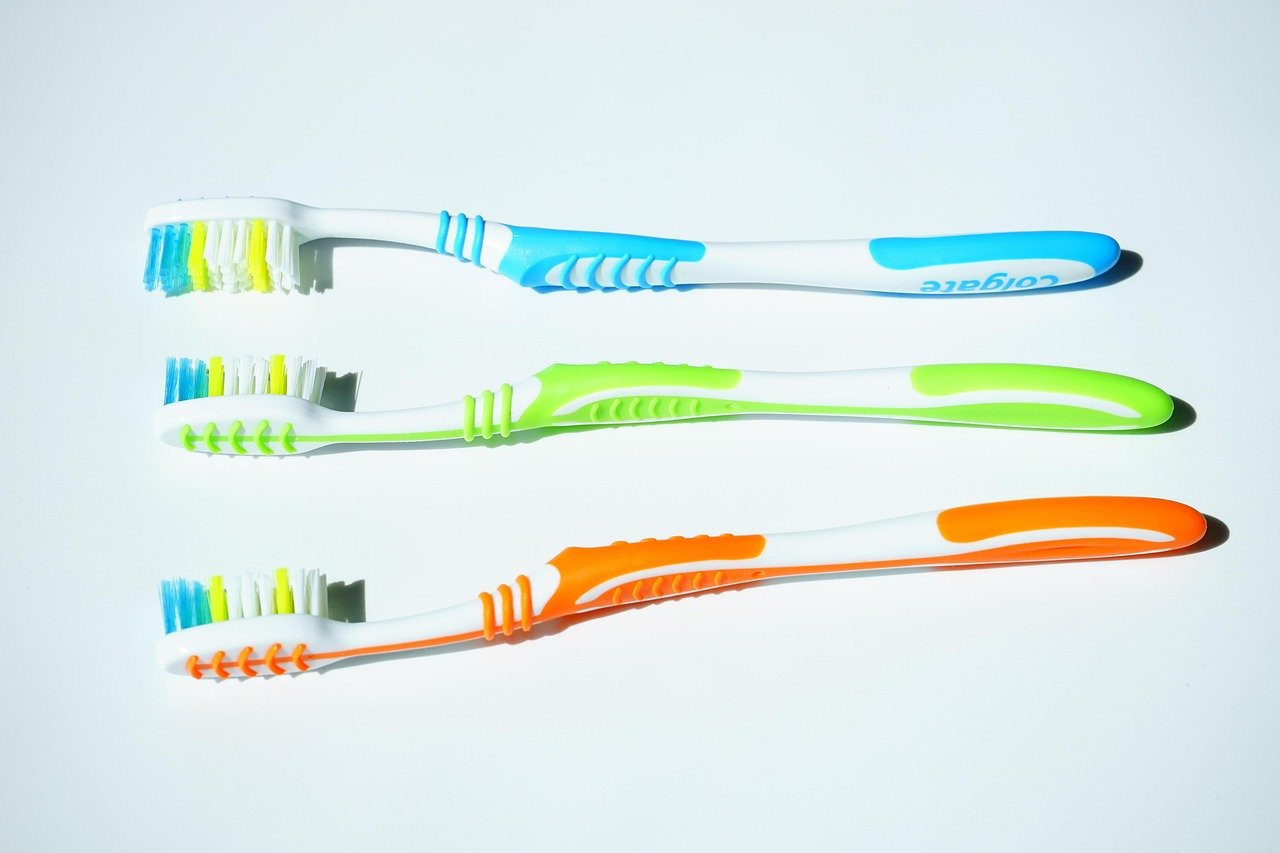
Selecting the correct toothbrush is the cornerstone of good oral hygiene. The market offers manual and electric options, each with its own benefits.
- Manual Toothbrushes: These are affordable and readily available. Look for soft bristles to avoid damaging enamel and gums. Replace your toothbrush every three months or sooner if the bristles are frayed.
Example: Consider a toothbrush with a built-in tongue scraper for enhanced hygiene.
- Electric Toothbrushes: These offer powered cleaning, often with features like timers and pressure sensors. They can be particularly beneficial for those with limited dexterity.
Example: Sonicare and Oral-B are popular brands offering a range of electric toothbrushes with varying features and price points.
Statistics: Studies have shown that electric toothbrushes can remove significantly more plaque than manual toothbrushes, contributing to improved gum health.
- Actionable Takeaway: Regardless of the type, ensure your toothbrush has soft bristles and is replaced regularly. Consult your dentist for personalized recommendations.
Brushing Technique
A good toothbrush is only effective with proper technique.
- Brush for two minutes, twice a day.
- Use gentle, circular motions.
- Angle the brush at 45 degrees towards the gumline.
- Don’t forget to brush your tongue to remove bacteria.
- Actionable Takeaway: Dedicate sufficient time and use proper technique when brushing for optimal results.
The Power of Paste: Toothpaste
Understanding Toothpaste Ingredients
Toothpaste is more than just a minty flavor; it contains key ingredients that protect your teeth.
- Fluoride: Strengthens enamel and prevents cavities. Most dentists recommend fluoride toothpaste.
Example: Look for toothpastes with at least 1350 ppm (parts per million) of fluoride.
- Abrasives: Help remove surface stains and plaque. Common abrasives include hydrated silica.
- Flavoring Agents: Provide a pleasant taste and encourage regular brushing.
- Specialty Toothpastes: Cater to specific needs, such as sensitivity, whitening, or tartar control.
Example: Toothpastes containing potassium nitrate can help desensitize teeth for individuals with sensitive teeth.
- Actionable Takeaway: Choose toothpaste with fluoride, and consider specialty options based on your individual needs. Consult your dentist if you have concerns about specific ingredients.
Choosing the Right Toothpaste
With so many options, selecting the right toothpaste can be tricky.
- Sensitive Teeth: Look for toothpastes specifically formulated for sensitive teeth, containing ingredients like potassium nitrate or stannous fluoride.
- Whitening: Whitening toothpastes contain mild abrasives or chemical agents to help remove surface stains.
- Tartar Control: These toothpastes contain ingredients that help prevent tartar buildup.
- Children’s Toothpaste: Choose toothpaste specifically formulated for children, with lower fluoride levels and child-friendly flavors.
- Actionable Takeaway: Evaluate your specific oral health needs and choose toothpaste accordingly.
Interdental Cleaning: Floss and Beyond
The Importance of Flossing
Flossing removes plaque and food particles from between teeth, areas your toothbrush can’t reach.
- Floss at least once a day, preferably before bedtime.
- Use proper flossing technique: gently slide the floss between teeth and use a C-shape motion to clean along the gumline.
- Example: Unwaxed floss is generally recommended, but waxed floss may be easier to use if you have tightly spaced teeth. Flavored floss can make the experience more enjoyable.
- Actionable Takeaway: Make flossing a daily habit to prevent gum disease and cavities.
Alternatives to Traditional Floss
If you find traditional flossing difficult, consider these alternatives:
- Interdental Brushes: These small brushes are designed to clean between teeth, especially for those with wider spaces or braces.
- Water Flossers: These devices use a stream of water to remove plaque and food particles. They can be especially helpful for people with braces or limited dexterity.
- Actionable Takeaway: Explore alternative interdental cleaning methods if traditional flossing is challenging for you.
Rinsing for Results: Mouthwash
Understanding Mouthwash Types
Mouthwash offers additional benefits beyond brushing and flossing.
- Fluoride Mouthwash: Helps strengthen enamel and prevent cavities.
- Antiseptic Mouthwash: Kills bacteria and helps reduce plaque and gingivitis.
Example: Mouthwashes containing chlorhexidine are effective for treating gingivitis but should only be used as directed by a dentist due to potential side effects.
- Cosmetic Mouthwash: Freshens breath and helps remove surface stains.
- Alcohol-Free Mouthwash: A good choice for those with dry mouth, as alcohol can exacerbate the condition.
- Actionable Takeaway: Choose mouthwash based on your specific needs and consult your dentist for recommendations.
Using Mouthwash Effectively
To maximize the benefits of mouthwash:
- Rinse for 30 seconds, after brushing and flossing.
- Do not swallow mouthwash.
- Avoid eating or drinking for 30 minutes after rinsing.
- Actionable Takeaway: Follow the instructions on the mouthwash label for optimal results.
Conclusion
Maintaining excellent oral hygiene requires a consistent routine and the right products. By understanding the different types of toothbrushes, toothpastes, floss, and mouthwashes, you can create a personalized oral care plan that meets your individual needs. Remember to consult your dentist regularly for checkups and professional cleanings to ensure a healthy and radiant smile for years to come. Your smile is worth the effort!