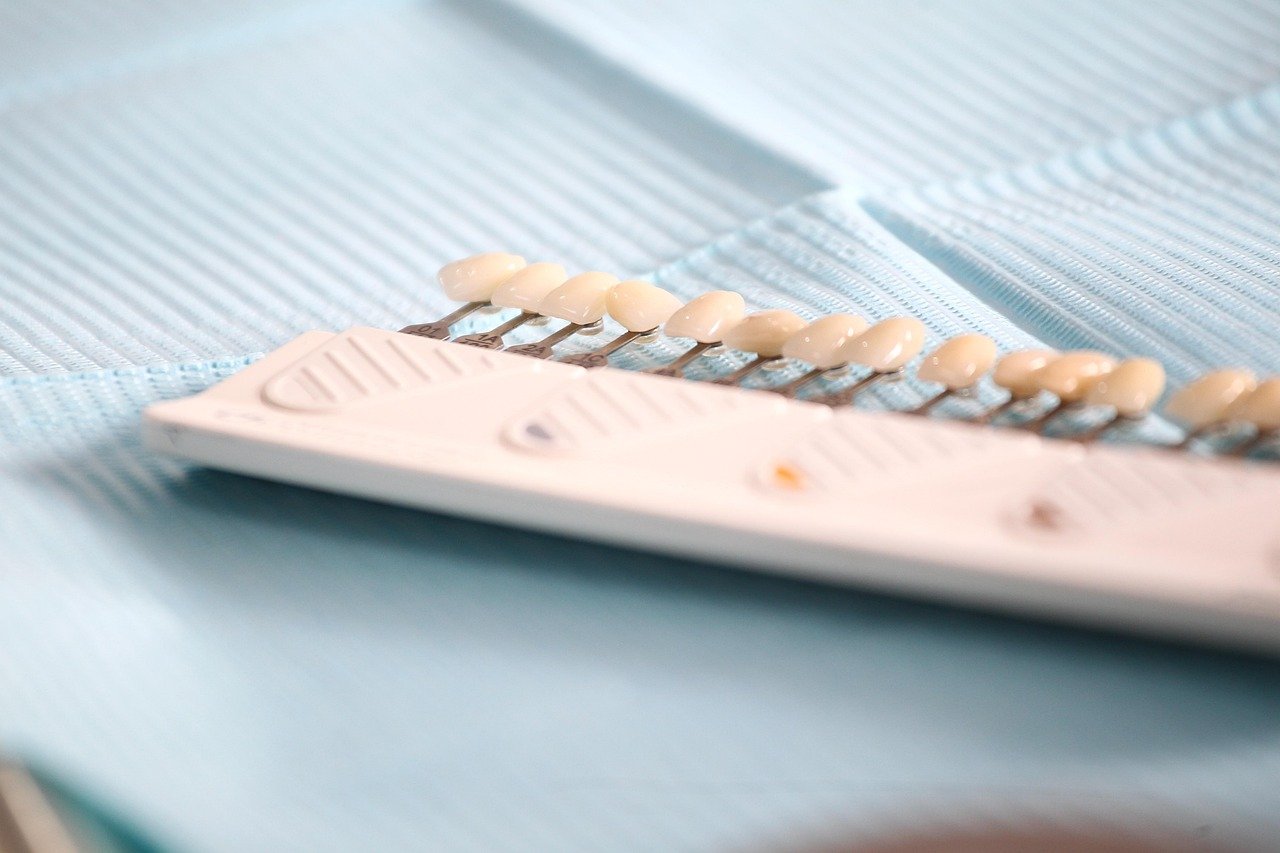
Want a brighter, whiter smile without breaking the bank? You don’t necessarily need expensive professional treatments to achieve a dazzling grin. There are several safe and effective DIY teeth whitening methods you can try at home. This blog post explores various do-it-yourself approaches to teeth whitening, offering detailed instructions, potential benefits, and essential safety precautions to help you achieve the smile you’ve always dreamed of.
Understanding Teeth Whitening
What Causes Teeth Staining?
Before diving into DIY teeth whitening methods, it’s crucial to understand the causes of tooth discoloration. Many factors contribute to staining, including:
- Diet: Coffee, tea, red wine, and berries contain pigments that can stain enamel over time.
- Smoking: Nicotine and tar are notorious for causing yellow and brown stains.
- Poor Oral Hygiene: Inadequate brushing and flossing allow plaque and tartar to build up, leading to discoloration.
- Age: As we age, the outer enamel layer thins, revealing the yellower dentin underneath.
- Certain Medications: Some medications, like tetracycline antibiotics, can cause intrinsic staining, which is more difficult to remove.
The Difference Between Surface Stains and Intrinsic Stains
It’s important to distinguish between surface stains (extrinsic) and deeper stains (intrinsic). Surface stains are easier to remove with over-the-counter whitening products and DIY methods. Intrinsic stains, on the other hand, originate from within the tooth structure and often require professional treatments like dental bleaching.
- Extrinsic stains: Are on the surface of the tooth and are caused by external factors.
- Intrinsic stains: Occur within the tooth structure itself and can be caused by factors like medication, genetics, or trauma.
Safe and Effective DIY Whitening Methods
Baking Soda and Hydrogen Peroxide Paste
One of the most popular DIY teeth whitening methods involves using baking soda and hydrogen peroxide. Baking soda is a mild abrasive that can help remove surface stains, while hydrogen peroxide acts as a bleaching agent.
- How to Use:
1. Mix 1 tablespoon of baking soda with 2 teaspoons of hydrogen peroxide (3% concentration).
2. Form a paste and brush your teeth with it for 2 minutes.
3. Rinse thoroughly with water.
4. Use no more than 1-2 times per week to avoid enamel damage.
- Benefits: Affordable, readily available ingredients, effective at removing surface stains.
- Caution: Overuse can erode enamel, leading to sensitivity. Avoid swallowing the mixture.
Oil Pulling with Coconut Oil
Oil pulling is an ancient Ayurvedic practice that involves swishing oil in your mouth to remove bacteria and toxins. While not a direct teeth whitener, it can help improve oral hygiene, which contributes to a brighter smile.
- How to Use:
1. Take 1-2 tablespoons of coconut oil.
2. Swish the oil around in your mouth for 15-20 minutes.
3. Spit the oil into a trash can (not the sink, as it can clog drains).
4. Rinse your mouth thoroughly with water.
5. Brush your teeth as usual.
- Benefits: Natural, may reduce bacteria and plaque, potential for improved gum health.
- Caution: Do not swallow the oil, as it contains toxins and bacteria.
Activated Charcoal
Activated charcoal is a highly porous substance that can bind to surface stains and remove them from your teeth. It’s become increasingly popular for its potential whitening effects.
- How to Use:
1. Wet your toothbrush and dip it into activated charcoal powder.
2. Brush gently for 2 minutes.
3. Rinse thoroughly with water, ensuring no charcoal residue remains.
4. Use 1-2 times per week.
- Benefits: Can remove surface stains effectively, relatively inexpensive.
- Caution: Can be abrasive to enamel if used too frequently or vigorously. Choose a fine-grained charcoal powder.
Fruit Power: Strawberries and Bananas
Certain fruits contain natural acids or enzymes that can help whiten teeth. Strawberries contain malic acid, which can help remove surface stains, while banana peels contain minerals like potassium and magnesium that may help brighten enamel.
- Strawberries: Mash a strawberry and rub it on your teeth for a few minutes, then rinse thoroughly. Use sparingly, as the acidity can be harmful in excess.
- Banana Peels: Rub the inside of a banana peel on your teeth for a few minutes each day, then brush your teeth as usual.
- Benefits: Natural, affordable, potentially effective for mild staining.
- Caution: Acidity from fruits can erode enamel if overused. Banana peel method is less scientifically proven.
Maintaining Your Whitened Smile
Proper Oral Hygiene Practices
Maintaining good oral hygiene is essential for keeping your teeth white and healthy after using DIY whitening methods. This includes:
- Brushing Twice Daily: Use fluoride toothpaste to protect your enamel and remove plaque.
- Flossing Daily: Remove food particles and plaque from between your teeth.
- Using Mouthwash: Rinse with an antibacterial mouthwash to kill bacteria and freshen your breath.
Diet and Lifestyle Adjustments
Making adjustments to your diet and lifestyle can also help prevent future staining.
- Limit Stain-Causing Foods and Drinks: Reduce consumption of coffee, tea, red wine, and berries.
- Rinse After Eating or Drinking: Rinse your mouth with water after consuming staining substances.
- Quit Smoking: Smoking is a major cause of tooth discoloration and other health problems.
Regular Dental Check-ups
Regular dental check-ups are crucial for maintaining overall oral health and detecting any potential issues early on. Your dentist can provide professional cleaning and recommend appropriate whitening treatments if necessary. The American Dental Association recommends seeing a dentist at least once or twice a year.
Potential Risks and Precautions
Enamel Erosion
Overusing abrasive or acidic DIY whitening methods can erode enamel, making your teeth more susceptible to sensitivity and decay. Always use these methods sparingly and gently.
Tooth Sensitivity
Some individuals may experience tooth sensitivity after using whitening products, whether DIY or professional. If you experience sensitivity, discontinue use and consult with your dentist.
Gum Irritation
Improper application of whitening products can irritate your gums. Be careful to avoid getting these substances on your gums and rinse thoroughly after use.
Conclusion
DIY teeth whitening can be a cost-effective and convenient way to achieve a brighter smile. However, it’s crucial to approach these methods with caution and awareness. By understanding the causes of tooth staining, using safe and gentle whitening techniques, maintaining good oral hygiene, and consulting with your dentist regularly, you can achieve a whiter smile while protecting your oral health. Always remember that prevention is key, so focus on limiting stain-causing substances and maintaining a consistent oral hygiene routine.