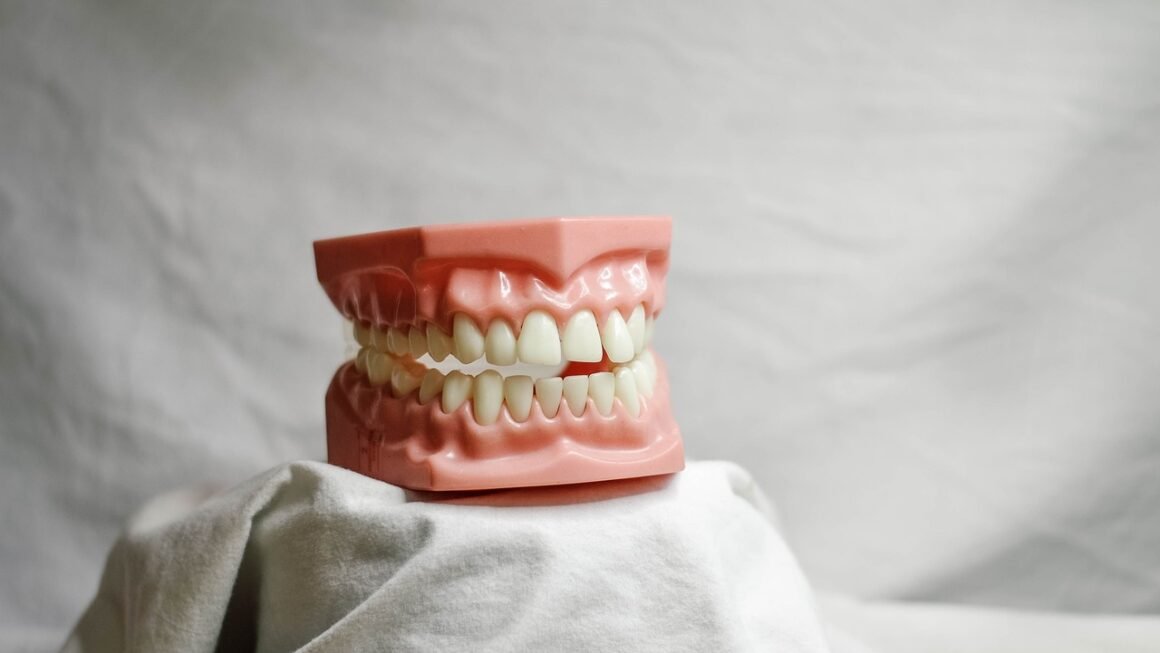
Maintaining excellent oral health is more than just a bright smile; it’s a cornerstone of overall well-being. From preventing painful cavities to reducing the risk of serious systemic diseases, taking care of your teeth and gums is an investment in your long-term health. This comprehensive guide will delve into the essential aspects of oral hygiene, providing actionable tips and insights to help you achieve and maintain a healthy, happy mouth.
The Importance of Oral Hygiene
Oral hygiene is critical for preventing dental problems, such as cavities, gum disease (gingivitis and periodontitis), and bad breath (halitosis). But the benefits extend far beyond just your mouth. Research increasingly links poor oral health to conditions like heart disease, diabetes, and even pregnancy complications.
Systemic Health Connections
Your mouth is a gateway to your body. Bacteria and inflammation in the mouth can enter the bloodstream and affect other organs and systems.
- Heart Disease: Studies suggest a link between gum disease and an increased risk of heart disease and stroke.
- Diabetes: Periodontal disease can make it harder to control blood sugar levels in people with diabetes. In turn, diabetes makes you more susceptible to gum disease.
- Respiratory Infections: Bacteria from the mouth can be inhaled into the lungs, potentially leading to pneumonia and other respiratory infections, particularly in individuals with weakened immune systems.
- Pregnancy Complications: Gum disease has been linked to premature birth and low birth weight babies.
Social and Psychological Benefits
Beyond physical health, good oral hygiene contributes to confidence and self-esteem. A healthy, attractive smile can improve social interactions and overall quality of life. Conversely, dental problems like bad breath or missing teeth can negatively impact social interactions and mental well-being.
- Improved self-confidence.
- Better social interactions.
- Enhanced quality of life.
Establishing a Daily Oral Hygiene Routine
A consistent and effective daily routine is the foundation of excellent oral health. It involves brushing, flossing, and using mouthwash, each playing a crucial role in removing plaque and bacteria.
Brushing Techniques and Frequency
Brush your teeth at least twice a day, ideally after breakfast and before bed. Use a soft-bristled toothbrush and fluoride toothpaste.
- Technique: Use gentle, circular motions to clean all surfaces of each tooth. Angle the brush towards the gum line to effectively remove plaque and debris.
- Duration: Brush for at least two minutes each time to ensure you’re cleaning all areas thoroughly. Many electric toothbrushes have built-in timers to help you achieve this.
- Toothpaste: Choose a fluoride toothpaste recommended by your dentist. Fluoride strengthens tooth enamel and helps prevent cavities.
- Brush Replacement: Replace your toothbrush every three months, or sooner if the bristles are frayed.
Flossing: Reaching Where Your Brush Can’t
Flossing removes plaque and food particles from between your teeth and under the gum line, areas that your toothbrush can’t reach.
- Technique: Use about 18 inches of floss, wrapping it around your middle fingers and using your thumbs and forefingers to guide it. Gently slide the floss between your teeth, using a sawing motion. Curve the floss around each tooth in a “C” shape and slide it under the gum line.
- Frequency: Floss at least once a day, preferably before bed.
- Alternatives: If you find traditional floss difficult to use, consider using floss picks, interdental brushes, or water flossers.
The Role of Mouthwash
Mouthwash can help kill bacteria, freshen breath, and even deliver fluoride to your teeth.
- Types of Mouthwash: Choose a mouthwash that addresses your specific needs, such as fluoride mouthwash for cavity prevention, antiseptic mouthwash for killing bacteria, or cosmetic mouthwash for freshening breath.
- Timing: Rinse with mouthwash after brushing and flossing, or as directed by your dentist.
- Alcohol-Free Options: If you have dry mouth, consider using an alcohol-free mouthwash, as alcohol can exacerbate dryness.
Diet and Oral Health
What you eat and drink significantly impacts your oral health. Certain foods and beverages can contribute to tooth decay, while others can promote healthy teeth and gums.
Foods and Drinks to Limit or Avoid
- Sugary Foods and Drinks: Sugar is a major culprit in tooth decay. Limit your consumption of sugary snacks, candies, sodas, and juices.
- Acidic Foods and Drinks: Acidic foods and drinks, such as citrus fruits, tomatoes, and carbonated beverages, can erode tooth enamel.
- Sticky Foods: Sticky foods, like caramel and gummy candies, cling to your teeth and provide fuel for bacteria.
Foods That Promote Oral Health
- Crunchy Fruits and Vegetables: Apples, carrots, and celery stimulate saliva production, which helps neutralize acids and wash away food particles.
- Dairy Products: Milk, cheese, and yogurt contain calcium and phosphorus, which strengthen tooth enamel.
- Leafy Green Vegetables: Spinach, kale, and other leafy greens are rich in vitamins and minerals that support healthy gums and teeth.
- Water: Drinking plenty of water helps wash away food particles and keeps your mouth hydrated.
Smart Snacking Habits
Choose healthy snacks like nuts, cheese, or yogurt instead of sugary or sticky treats. If you do indulge in sweets, brush your teeth afterward or rinse your mouth with water.
Professional Dental Care
Regular visits to your dentist are crucial for maintaining optimal oral health. Professional cleanings and examinations can detect problems early and prevent them from worsening.
The Importance of Regular Check-ups
- Frequency: Schedule dental check-ups at least twice a year, or more frequently if you have specific oral health concerns.
- Early Detection: Regular check-ups allow your dentist to detect cavities, gum disease, and other oral health problems early, when they are easier to treat.
- Professional Cleaning: Dental hygienists remove plaque and tartar buildup, which can’t be removed with brushing and flossing alone.
What to Expect During a Dental Visit
- Examination: Your dentist will examine your teeth and gums for signs of decay, gum disease, and other oral health problems.
- Cleaning: A dental hygienist will remove plaque and tartar from your teeth.
- X-rays: X-rays may be taken to detect problems that are not visible during a visual examination, such as cavities between teeth or bone loss.
- Treatment Plan: If any problems are detected, your dentist will develop a treatment plan tailored to your specific needs.
When to Seek Immediate Dental Care
Contact your dentist immediately if you experience any of the following:
- Severe toothache
- Swelling in your mouth or face
- Bleeding gums that won’t stop
- A broken or knocked-out tooth
- Sudden sensitivity to hot or cold
Conclusion
Maintaining excellent oral health is a lifelong commitment that yields significant rewards. By adopting a consistent daily hygiene routine, making smart dietary choices, and scheduling regular dental check-ups, you can protect your teeth and gums, prevent dental problems, and enjoy a healthy, confident smile for years to come. Remember that oral health is an integral part of your overall well-being, so prioritizing it is an investment in your long-term health and happiness.