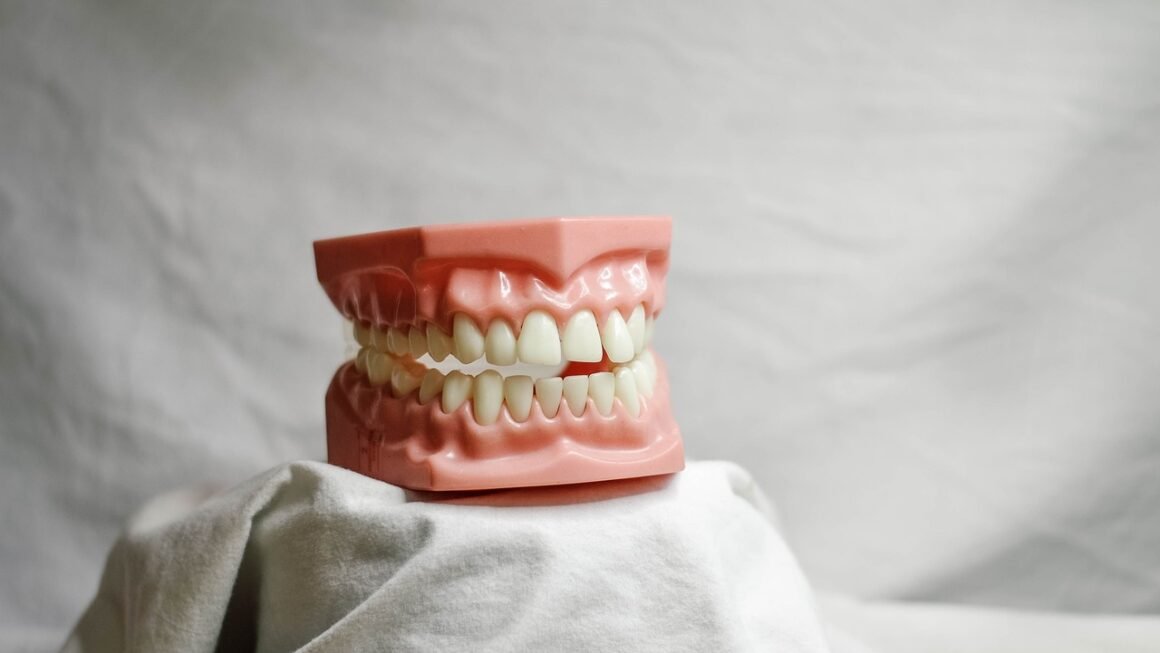
Maintaining a healthy smile goes beyond just having pearly white teeth. It’s a commitment to a daily routine that benefits not only your oral health but also contributes significantly to your overall well-being. From preventing cavities and gum disease to boosting your confidence, good dental hygiene is an investment in a healthier and happier you. Let’s delve into the essential aspects of keeping your smile bright and healthy for years to come.
The Foundation: Brushing and Flossing
Mastering the Art of Brushing
Brushing your teeth is the cornerstone of any effective dental hygiene routine. But are you brushing correctly? Most dentists recommend brushing for two minutes, twice a day. Here’s how to optimize your brushing technique:
- Choose the Right Brush: Opt for a soft-bristled toothbrush. Hard bristles can damage your enamel and gums over time.
- Use Fluoride Toothpaste: Fluoride strengthens tooth enamel, making it more resistant to acid attacks from bacteria.
- Angle Your Brush: Hold your brush at a 45-degree angle to your gums.
- Gentle Circular Motions: Use gentle, circular motions to clean all surfaces of each tooth. Avoid scrubbing vigorously, as this can irritate gums.
- Don’t Forget the Tongue: Brush your tongue to remove bacteria and freshen your breath.
- Replace Regularly: Replace your toothbrush every three months, or sooner if the bristles are frayed.
Example: Imagine your teeth as individual sculptures. You wouldn’t scrub them harshly with a wire brush, would you? Instead, you’d use a soft brush and gentle movements to preserve their delicate features. The same principle applies to brushing your teeth.
The Underrated Power of Flossing
Flossing often gets overlooked, but it’s crucial for removing plaque and food particles from between your teeth, where your toothbrush can’t reach.
- When to Floss: You can floss before or after brushing, but consistency is key.
- Proper Technique: Use about 18 inches of floss and gently guide it between your teeth, using a sawing motion. Curve the floss around each tooth and slide it gently under the gumline.
- Be Gentle: Avoid snapping the floss against your gums, which can cause irritation and bleeding.
- Alternative Options: If you find traditional floss difficult to use, consider using floss picks or interdental brushes.
Example: Think of flossing as weeding your garden. Just like weeds can choke your plants, plaque and food particles can lead to cavities and gum disease. Flossing removes these harmful invaders, keeping your smile healthy and strong.
Beyond the Basics: Additional Hygiene Practices
The Benefits of Mouthwash
Mouthwash can be a valuable addition to your dental hygiene routine, but it’s not a substitute for brushing and flossing.
- Choose the Right Type: Look for a fluoride mouthwash to help strengthen enamel or an antiseptic mouthwash to kill bacteria.
- When to Use: Rinse with mouthwash after brushing and flossing for optimal results.
- Read the Instructions: Follow the instructions on the bottle carefully, as overuse of some mouthwashes can stain teeth.
- Alcohol-Free Options: Consider alcohol-free mouthwashes to avoid drying out your mouth.
Example: Using mouthwash after brushing is like applying a topcoat to your nail polish. It provides an extra layer of protection and enhances the overall shine.
The Importance of Tongue Scraping
The tongue is a breeding ground for bacteria, which can contribute to bad breath and other oral health problems.
- How to Scrape: Use a tongue scraper or the back of your toothbrush to gently scrape your tongue from back to front.
- Frequency: Scrape your tongue once or twice a day.
- Benefits: Tongue scraping can help remove bacteria, freshen your breath, and improve your sense of taste.
Hydration’s Role in Oral Health
Staying hydrated is crucial for overall health, including oral health.
- Saliva Production: Water helps stimulate saliva production, which neutralizes acids, washes away food particles, and helps prevent tooth decay.
- Dry Mouth Prevention: Dehydration can lead to dry mouth, which increases the risk of cavities and gum disease.
- Water as a Rinse: Drink water after meals to help rinse away food debris.
Diet and Dental Health: What You Eat Matters
Sugary Foods and Drinks: The Enemy of Enamel
Sugar is a major contributor to tooth decay. Bacteria in your mouth feed on sugar, producing acids that erode tooth enamel.
- Limit Sugar Intake: Reduce your consumption of sugary foods and drinks, such as soda, candy, and processed snacks.
- Read Labels: Be mindful of hidden sugars in processed foods.
- Rinse After Eating: If you do consume sugary foods, rinse your mouth with water afterward.
Example: Think of sugar as fuel for the cavity-causing bacteria in your mouth. By limiting your sugar intake, you’re starving these harmful bacteria and protecting your teeth.
Foods That Promote Oral Health
Certain foods can actually benefit your oral health.
- Crunchy Fruits and Vegetables: Apples, carrots, and celery stimulate saliva production and help clean teeth.
- Dairy Products: Cheese and yogurt are rich in calcium and phosphorus, which strengthen tooth enamel.
- Leafy Greens: Spinach and kale are packed with vitamins and minerals that support healthy gums.
- Nuts and Seeds: Almonds and other nuts can help scrub away plaque.
Regular Dental Check-ups: Your Professional Support System
The Importance of Professional Cleanings
Even with diligent home care, it’s essential to visit your dentist regularly for professional cleanings.
- Plaque and Tartar Removal: Dentists can remove plaque and tartar that you can’t reach with brushing and flossing.
- Early Detection: Regular check-ups allow your dentist to detect and treat any oral health problems early on.
- Personalized Advice: Your dentist can provide personalized advice on how to improve your dental hygiene routine.
- Frequency: Most dentists recommend visiting for a check-up and cleaning every six months.
What to Expect During a Dental Check-up
A typical dental check-up includes:
- Examination: Your dentist will examine your teeth, gums, and mouth for any signs of problems.
- X-rays: X-rays may be taken to detect cavities, bone loss, or other hidden issues.
- Cleaning: A dental hygienist will remove plaque and tartar from your teeth.
- Fluoride Treatment: A fluoride treatment may be applied to strengthen enamel.
Conclusion
Maintaining optimal dental hygiene is a lifelong journey that requires consistency and dedication. By incorporating proper brushing and flossing techniques, making informed dietary choices, and scheduling regular dental check-ups, you can protect your smile and enjoy the numerous benefits of good oral health. Remember, a healthy smile is a happy smile, and it contributes significantly to your overall well-being. Take the time to prioritize your dental hygiene – your teeth (and your health!) will thank you for it.