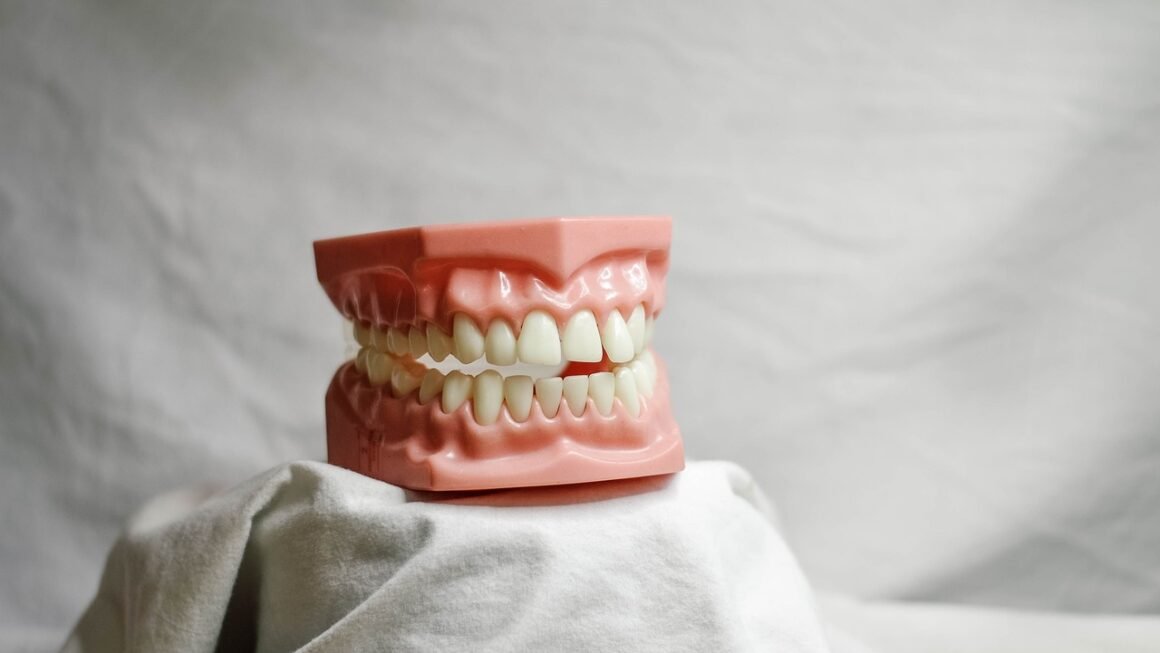
Brushing your teeth is a non-negotiable part of daily life, but are you doing it right? More than just a quick scrub, effective tooth brushing is the cornerstone of good oral hygiene, preventing cavities, gum disease, and even systemic health problems. This comprehensive guide breaks down the science and art of tooth brushing, ensuring you achieve a sparkling clean and healthy smile.
Why Effective Tooth Brushing Matters
The Impact on Oral Health
Proper tooth brushing isn’t just about a fresh breath. It plays a vital role in removing plaque, a sticky film of bacteria that constantly forms on our teeth. Plaque buildup can lead to:
- Cavities: Bacteria in plaque produce acids that erode tooth enamel, leading to cavities.
- Gingivitis: Plaque irritates the gums, causing inflammation, redness, and bleeding. This is known as gingivitis, the first stage of gum disease.
- Periodontitis: If gingivitis is left untreated, it can progress to periodontitis, a more severe form of gum disease that can destroy the bone and tissues supporting your teeth, potentially leading to tooth loss.
Statistics show that approximately 47.2% of adults aged 30 years and older have some form of periodontal disease (Source: CDC). Effective tooth brushing can significantly reduce your risk.
The Link to Overall Health
The health of your mouth has a direct connection to your overall well-being. Poor oral hygiene has been linked to several systemic conditions, including:
- Heart Disease: Bacteria from gum disease can enter the bloodstream and contribute to inflammation in the arteries, increasing the risk of heart attack and stroke.
- Diabetes: Gum disease can make it more difficult to control blood sugar levels. Conversely, diabetes can worsen gum disease.
- Respiratory Infections: Bacteria from the mouth can be aspirated into the lungs, potentially leading to pneumonia and other respiratory infections.
- Pregnancy Complications: Gum disease has been linked to premature birth and low birth weight.
Choosing the Right Toothbrush and Toothpaste
Selecting Your Toothbrush
The right toothbrush is essential for effective cleaning. Consider these factors:
- Bristle Type: Soft-bristled toothbrushes are generally recommended by dentists. They are gentle on the gums and prevent enamel erosion.
- Brush Head Size: Choose a brush head size that allows you to reach all areas of your mouth comfortably, including the back teeth.
- Electric vs. Manual: Both electric and manual toothbrushes can be effective. Electric toothbrushes with built-in timers and pressure sensors can help improve brushing technique. Some models even connect to apps to track your brushing habits.
Choosing the Right Toothpaste
Selecting the appropriate toothpaste is just as crucial. Look for the following:
- Fluoride: Fluoride is a mineral that strengthens tooth enamel and helps prevent cavities. Ensure your toothpaste contains fluoride (at least 1350 ppm for adults).
- ADA Seal of Acceptance: This seal indicates that the toothpaste has been rigorously tested and meets the standards of the American Dental Association for safety and effectiveness.
- Specific Needs: Consider your specific needs, such as sensitivity, whitening, or tartar control. There are toothpastes formulated to address these concerns. For example, toothpaste with potassium nitrate can help alleviate tooth sensitivity.
The Correct Tooth Brushing Technique
Step-by-Step Guide to Effective Brushing
Following the correct technique is key to removing plaque and bacteria effectively.
- Angle the Brush: Hold your toothbrush at a 45-degree angle to your gums.
- Gentle Circular Motions: Use gentle, circular motions to clean each tooth. Avoid scrubbing, as this can damage your gums and enamel.
- Clean All Surfaces: Brush the outer, inner, and chewing surfaces of each tooth.
- Front Teeth: When cleaning the inside surfaces of your front teeth, tilt the toothbrush vertically and use up-and-down strokes.
- Tongue Cleaning: Don’t forget to brush your tongue to remove bacteria and freshen your breath.
Time and Frequency
Dentists recommend brushing your teeth for at least two minutes, twice a day – once in the morning and once before bed. Many electric toothbrushes have built-in timers to help you track your brushing time. Consider breaking your mouth into quadrants (upper right, upper left, lower right, lower left) and spending 30 seconds on each quadrant.
Beyond Brushing: Completing Your Oral Hygiene Routine
Flossing: An Essential Addition
Flossing is just as important as brushing. It removes plaque and food particles from between your teeth, where your toothbrush can’t reach. Floss at least once a day, preferably before bedtime.
- Technique: Use about 18 inches of floss and gently guide it between your teeth using a sawing motion. Curve the floss around each tooth and slide it up and down to remove plaque.
- Alternatives: If you find traditional flossing difficult, consider using interdental brushes or floss picks.
Mouthwash: An Extra Layer of Protection
Using mouthwash can help kill bacteria, freshen your breath, and prevent plaque buildup. Choose a mouthwash that contains fluoride and is alcohol-free to avoid drying out your mouth.
- Usage: Rinse your mouth with mouthwash for 30 seconds after brushing and flossing. Avoid eating or drinking for at least 30 minutes after using mouthwash.
- Types: There are various types of mouthwashes available, including antiseptic, fluoride, and cosmetic mouthwashes. Consult your dentist to determine which type is best for you.
Regular Dental Checkups
Even with diligent brushing and flossing, it’s crucial to visit your dentist for regular checkups and professional cleanings. Your dentist can detect early signs of cavities, gum disease, and other oral health problems.
- Frequency: Most people should visit their dentist every six months for a checkup and cleaning. However, your dentist may recommend more frequent visits if you have specific oral health concerns.
- Professional Cleaning: A professional dental cleaning removes plaque and tartar buildup that you can’t remove with brushing and flossing alone.
Troubleshooting Common Brushing Mistakes
Common Errors and How to Correct Them
Even with the best intentions, it’s easy to fall into common brushing mistakes. Here’s how to identify and correct them:
- Brushing Too Hard: This can damage your gums and enamel. Use a soft-bristled toothbrush and gentle pressure.
- Not Brushing Long Enough: Aim for at least two minutes. Use a timer or electric toothbrush with a built-in timer.
- Neglecting Certain Areas: Make sure you’re reaching all surfaces of your teeth, including the back teeth and the areas along the gumline.
- Using a Worn-Out Toothbrush: Replace your toothbrush every three to four months, or sooner if the bristles are frayed.
- Rinsing Immediately After Brushing: Rinsing immediately after brushing washes away the concentrated fluoride from the toothpaste. Wait at least 30 minutes before rinsing.
Conclusion
Effective tooth brushing is a simple yet powerful tool for maintaining excellent oral health and contributing to your overall well-being. By choosing the right toothbrush and toothpaste, using the correct technique, and complementing your brushing routine with flossing and mouthwash, you can significantly reduce your risk of cavities, gum disease, and other oral health problems. Remember, consistency is key, so make tooth brushing a non-negotiable part of your daily routine. Consult with your dentist regularly for personalized advice and professional care to ensure a lifetime of healthy smiles.