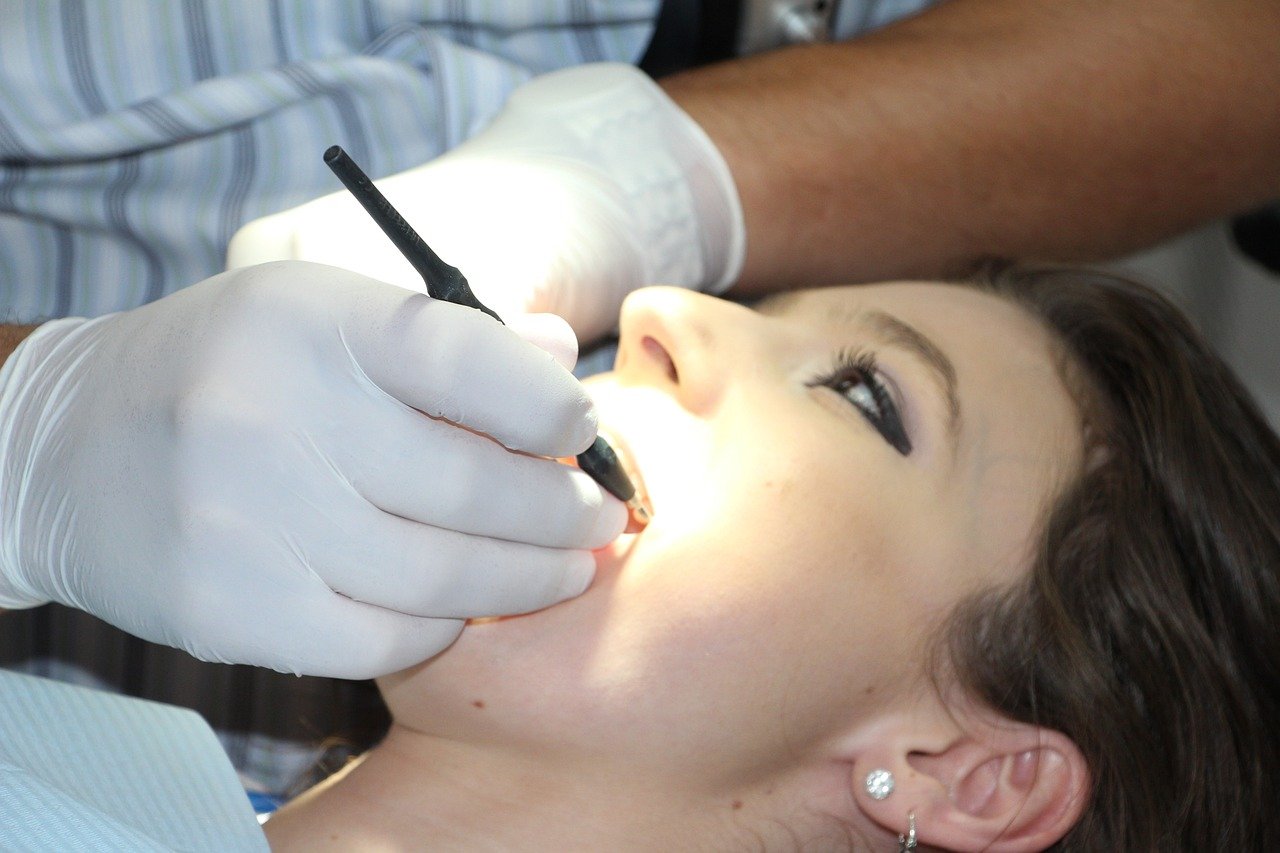
Few things are as instantly noticeable as a smile. A confident smile can open doors, create connections, and boost self-esteem. However, imperfections like minor chips, uneven edges, or slight misalignments can make individuals self-conscious. Thankfully, a simple yet effective cosmetic dentistry procedure called tooth reshaping (also known as tooth contouring) offers a minimally invasive solution to enhance your smile’s aesthetics. This blog post delves into the details of tooth reshaping, exploring its benefits, the procedure itself, and what you can expect.
Understanding Tooth Reshaping
What is Tooth Reshaping?
Tooth reshaping, or odontoplasty, is a cosmetic dental procedure that involves subtly altering the shape, length, or surface of one or more teeth. Using specialized tools, a dentist can gently remove small amounts of enamel to smooth out imperfections, creating a more balanced and harmonious smile. It’s often used to correct:
- Minor chips or fractures
- Uneven tooth lengths
- Slight overlaps or crowding
- Pointed or oddly shaped teeth
Who is a Good Candidate?
Not everyone is suitable for tooth reshaping. Ideal candidates typically have:
- Healthy teeth with sufficient enamel thickness. The procedure involves removing a small amount of enamel, so adequate enamel is crucial.
- Minor imperfections that can be corrected with minimal adjustments.
- Realistic expectations about the outcome of the procedure.
Individuals with significant enamel erosion, severe decay, or substantial alignment issues may require alternative treatments like veneers or orthodontics. A comprehensive dental examination is necessary to determine suitability.
Benefits of Tooth Reshaping
Tooth reshaping offers several advantages, making it a popular choice for cosmetic enhancement:
- Minimally Invasive: Compared to other cosmetic procedures like veneers or crowns, tooth reshaping is much less invasive, preserving more of your natural tooth structure.
- Painless: Generally, tooth reshaping is a painless procedure, as only a small amount of enamel is removed. Anesthesia is usually not required.
- Quick Procedure: Tooth reshaping appointments are typically short, often completed in a single visit.
- Cost-Effective: Tooth reshaping is generally less expensive than more extensive cosmetic dental treatments.
- Immediate Results: You’ll see an immediate improvement in the appearance of your smile after the procedure.
- Can Improve Oral Hygiene: By smoothing out rough edges or overlaps, tooth reshaping can make it easier to clean your teeth, potentially reducing the risk of plaque buildup and gum disease.
The Tooth Reshaping Procedure: What to Expect
Consultation and Examination
The first step is a consultation with your dentist. They will:
- Thoroughly examine your teeth and gums to assess your oral health.
- Discuss your aesthetic goals and expectations.
- Evaluate the suitability of tooth reshaping for your specific needs.
- Take X-rays to assess the internal structure of your teeth and ensure there are no underlying issues.
- Possibly take impressions of your teeth to create a model for planning the reshaping process.
The Reshaping Process
The tooth reshaping procedure itself is usually straightforward and quick:
- The dentist will use specialized instruments, such as a sanding disc or a fine diamond bur, to carefully remove small amounts of enamel.
- They will meticulously reshape the tooth according to the pre-determined plan, constantly checking the aesthetics and bite.
- The teeth are then smoothed and polished to create a natural-looking finish.
- In some cases, the dentist may apply a fluoride treatment to strengthen the enamel.
The entire process typically takes between 30 minutes to an hour, depending on the number of teeth being reshaped and the complexity of the corrections.
Post-Procedure Care and Maintenance
After tooth reshaping, you can usually resume your normal activities immediately. However, it’s important to:
- Maintain excellent oral hygiene by brushing and flossing regularly.
- Avoid excessively hard or sticky foods that could potentially chip or damage the reshaped teeth.
- Attend regular dental check-ups and cleanings to monitor the health and appearance of your teeth.
- If you grind your teeth (bruxism), consider wearing a nightguard to protect your reshaped teeth from excessive pressure.
Combining Tooth Reshaping with Other Treatments
Complementary Procedures for Enhanced Results
Tooth reshaping is often combined with other cosmetic dental treatments to achieve a more comprehensive smile makeover. Common combinations include:
- Dental Bonding: Used to fill in small gaps, chips, or imperfections that may be too large for reshaping alone.
- Teeth Whitening: Brightening your teeth after reshaping can further enhance your smile’s appearance.
- Veneers: For more significant imperfections or to correct the shape or color of teeth, veneers may be a better option, especially if significant enamel removal is necessary. Tooth reshaping can sometimes be used to prepare teeth for veneers.
- Invisalign or Braces: If significant misalignment is present, orthodontics should be considered before or in conjunction with reshaping to create a properly aligned and aesthetically pleasing smile.
Planning a Comprehensive Smile Makeover
A dentist can assess your overall dental health and cosmetic goals to recommend a personalized treatment plan that combines tooth reshaping with other procedures to achieve your desired smile. For example, someone with slightly uneven teeth and some minor crowding might benefit from Invisalign followed by tooth reshaping and teeth whitening for a complete transformation.
Finding a Qualified Dentist for Tooth Reshaping
Importance of Experience and Expertise
Choosing a skilled and experienced dentist is crucial for successful tooth reshaping. Look for a dentist who:
- Has extensive experience in cosmetic dentistry.
- Is knowledgeable about tooth anatomy and aesthetics.
- Uses state-of-the-art equipment and techniques.
- Can provide before-and-after photos of previous tooth reshaping cases.
- Is willing to discuss your goals, concerns, and treatment options in detail.
Questions to Ask During Your Consultation
During your consultation, don’t hesitate to ask the dentist:
- What is their experience with tooth reshaping?
- What specific techniques will they use?
- Can they show examples of their previous work?
- What are the potential risks and complications?
- How much will the procedure cost?
Getting clear and comprehensive answers to these questions will help you make an informed decision and choose the right dentist for your needs.
Conclusion
Tooth reshaping is a powerful yet minimally invasive cosmetic dental procedure that can significantly improve the appearance of your smile by correcting minor imperfections and creating a more balanced and harmonious look. With its quick procedure, painless nature, and relatively low cost, it’s an excellent option for individuals seeking a subtle yet noticeable smile enhancement. By consulting with a qualified and experienced dentist, you can determine if tooth reshaping is right for you and embark on the journey to a more confident and radiant smile. Remember to combine this treatment with a solid oral hygiene routine to maintain your newly reshaped smile for years to come.