Keeping your child’s smile bright and healthy starts early! Instilling good dental hygiene habits from a young age is crucial for preventing cavities, gum disease, and other oral health problems that can affect their overall well-being. This blog post will guide you through everything you need to know about dental hygiene for kids, from when to start brushing to how to make it fun.
The Importance of Early Dental Care
Why Baby Teeth Matter
Many parents mistakenly believe that baby teeth aren’t important because they eventually fall out. However, baby teeth play a vital role in a child’s development. They:
- Help children chew and speak properly.
- Hold space for permanent teeth to erupt correctly.
- Contribute to the shape of the face.
- Influence the development of healthy permanent teeth.
Neglecting baby teeth can lead to pain, infection, and even problems with the alignment of permanent teeth. According to the National Institute of Dental and Craniofacial Research, tooth decay is one of the most common chronic childhood diseases. Establishing good oral hygiene early sets the foundation for a lifetime of healthy smiles.
When to Start Cleaning Your Baby’s Mouth
You should begin cleaning your baby’s mouth even before their first tooth erupts. Here’s how:
- Before teeth erupt: Use a soft, damp cloth or a silicone finger brush to gently wipe your baby’s gums after each feeding. This helps remove bacteria and food debris.
- First tooth eruption: As soon as the first tooth appears, start brushing twice a day with a soft-bristled toothbrush designed for babies and a smear of fluoride toothpaste (about the size of a grain of rice).
Actionable Takeaway: Begin cleaning your baby’s gums before teeth erupt, and switch to a soft toothbrush and a tiny amount of fluoride toothpaste when the first tooth appears.
Brushing Techniques for Kids
Making Brushing Fun
Getting kids excited about brushing can be a challenge, but there are ways to make it more enjoyable:
- Use a fun toothbrush: Choose a toothbrush with their favorite character or a bright color. Electric toothbrushes designed for kids can also be motivating.
- Play music: Play a song that lasts for two minutes (the recommended brushing time). This helps them brush for the right duration.
- Brush together: Let your child watch you brush and then have them mimic you. Turn it into a family activity.
- Tell stories: Make up stories about the toothbrush being a hero who fights sugar bugs.
- Use a reward chart: Create a chart where they can earn stickers or small rewards for consistently brushing.
Proper Brushing Technique
Teach your child the correct brushing technique to ensure they’re effectively cleaning their teeth:
- Angle the toothbrush: Place the toothbrush at a 45-degree angle to the gums.
- Gentle circular motions: Use gentle, circular motions to clean each tooth.
- Brush all surfaces: Brush the outer, inner, and chewing surfaces of each tooth.
- Tongue cleaning: Gently brush the tongue to remove bacteria and freshen breath.
- Supervise until age 7 or 8: Children typically don’t have the dexterity to brush effectively on their own until around age 7 or 8. Supervise them until then, and help them finish brushing if needed.
Actionable Takeaway: Make brushing fun with music, characters, and family participation. Supervise your child’s brushing until they are old enough to do it effectively themselves.
Flossing: An Essential Step
Why Flossing is Important
Brushing alone can’t reach all the areas where plaque and food particles accumulate, particularly between the teeth. Flossing removes plaque and debris from these hard-to-reach areas, preventing cavities and gum disease.
- Removes plaque from between teeth.
- Prevents gum disease (gingivitis).
- Reduces bad breath.
How to Floss Your Child’s Teeth
Here’s how to floss your child’s teeth effectively:
- Start when teeth touch: Begin flossing as soon as your child has two teeth that touch.
- Use floss picks: Floss picks are easier for children and parents to handle.
- Gentle sawing motion: Gently slide the floss between the teeth using a sawing motion.
- Curve around each tooth: Curve the floss around each tooth and slide it up and down to clean the sides.
- Rinse after flossing: Encourage your child to rinse their mouth with water after flossing.
- Floss at least once a day: Ideally, floss before bedtime to remove plaque that has accumulated throughout the day.
Actionable Takeaway: Start flossing as soon as teeth touch. Use floss picks for easier handling and floss at least once a day, preferably before bedtime.
Diet and Dental Health
Foods to Limit
What your child eats has a significant impact on their dental health. Limiting certain foods can help prevent cavities:
- Sugary drinks: Soda, juice, and sports drinks are high in sugar, which feeds bacteria in the mouth and leads to tooth decay.
- Sticky foods: Candy, gummy snacks, and dried fruit stick to teeth, making it harder to remove plaque.
- Processed carbohydrates: Crackers, chips, and white bread break down into sugars in the mouth.
Example: Instead of giving your child juice, offer them water or milk. Replace gummy snacks with fresh fruits or vegetables.
Foods That Promote Dental Health
Certain foods can actually promote dental health:
- Water: Water helps wash away food particles and keeps the mouth hydrated.
- Dairy products: Milk, cheese, and yogurt are rich in calcium and protein, which strengthen teeth.
- Fruits and vegetables: Crunchy fruits and vegetables like apples, carrots, and celery stimulate saliva production and help clean teeth.
- Foods rich in fluoride: Fluoridated water and foods prepared with fluoridated water can help strengthen tooth enamel.
Example: Offer your child a slice of cheese or some carrot sticks as a snack. Encourage them to drink water throughout the day.
Actionable Takeaway: Limit sugary drinks and sticky foods. Encourage your child to eat foods that promote dental health, like water, dairy products, and crunchy fruits and vegetables.
Regular Dental Checkups
Why Regular Visits are Crucial
Regular dental checkups are essential for maintaining your child’s oral health. Dentists can:
- Detect cavities early.
- Identify potential problems with tooth alignment.
- Provide professional cleaning to remove plaque and tartar.
- Offer advice on proper oral hygiene practices.
- Apply fluoride treatments to strengthen tooth enamel.
The American Academy of Pediatric Dentistry recommends that children have their first dental visit by their first birthday or within six months of their first tooth erupting.
What to Expect During a Checkup
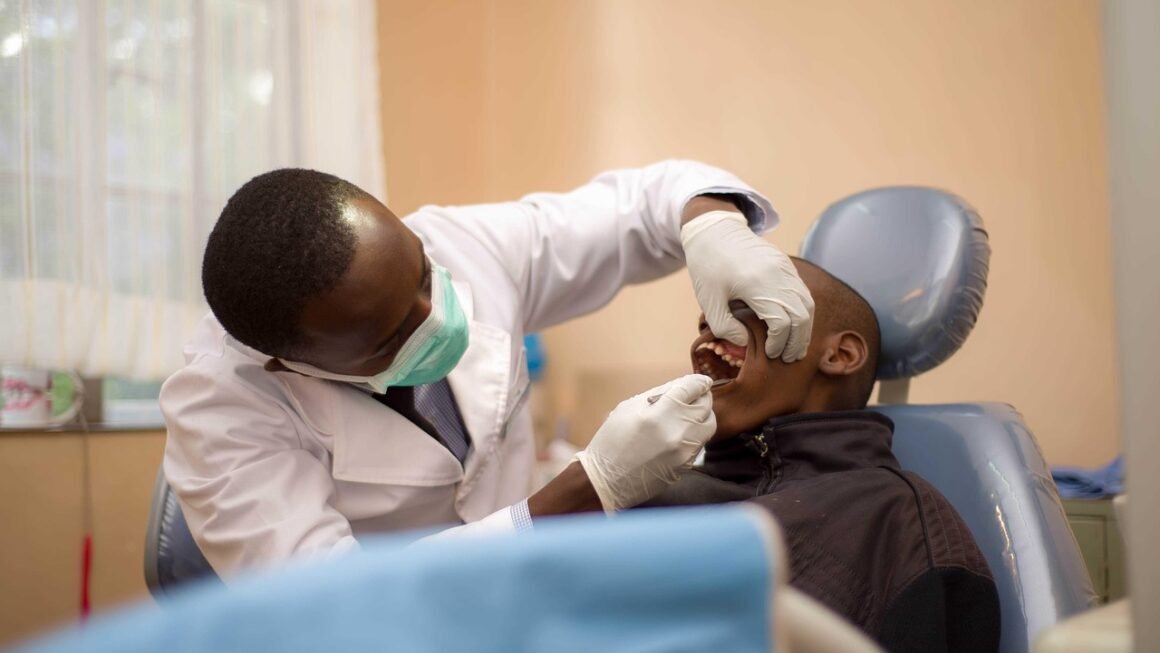
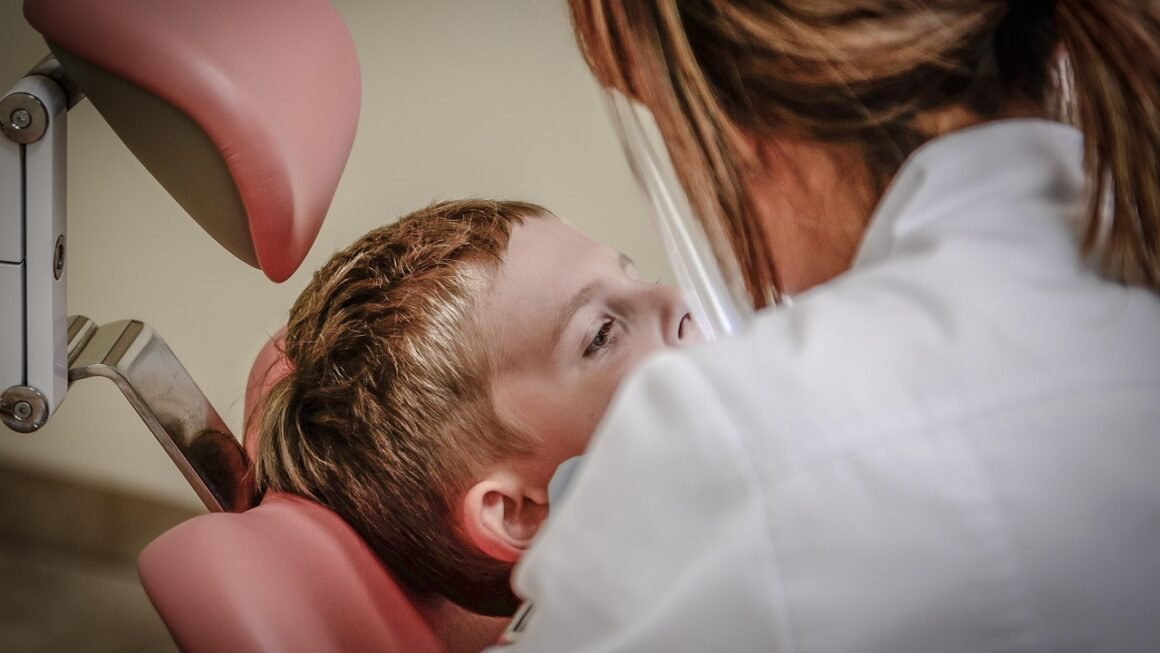
During a dental checkup, the dentist will typically:
- Examine the teeth and gums.
- Check for signs of decay or other oral health problems.
- Clean the teeth.
- Apply fluoride (if needed).
- Take X-rays (usually starting around age 4 or 5) to check for hidden decay and monitor the development of permanent teeth.
- Discuss oral hygiene habits with you and your child.
Actionable Takeaway: Schedule your child’s first dental visit by their first birthday. Continue to schedule regular checkups every six months to maintain their oral health.
Conclusion
Establishing good dental hygiene habits early in life is a gift that will benefit your child for years to come. By starting with early gum cleaning, teaching proper brushing and flossing techniques, promoting a healthy diet, and scheduling regular dental checkups, you can help your child develop a lifetime of healthy, happy smiles. Remember that consistency and making it fun are key to success. Consult with your pediatric dentist for personalized advice and guidance on your child’s oral health needs.