An underbite, where the lower jaw protrudes beyond the upper jaw, can impact both your appearance and oral health. While some may consider it a minor cosmetic issue, a significant underbite can lead to discomfort, difficulty chewing, and even speech impediments. Fortunately, various underbite correction options are available, ranging from non-invasive orthodontic treatments to surgical interventions. This comprehensive guide explores the causes, consequences, and, most importantly, the solutions for correcting an underbite and achieving a harmonious smile.
Understanding Underbites: Causes and Consequences
An underbite, also known as a Class III malocclusion, occurs when the lower jaw extends forward, causing the lower teeth to sit in front of the upper teeth. It’s crucial to understand the underlying causes and potential repercussions to make informed decisions about treatment.
Causes of Underbites
Underbites are primarily caused by a combination of genetic and environmental factors:
- Genetics: Family history plays a significant role. If one or both parents have an underbite, there’s a higher likelihood that their children will inherit the condition.
- Skeletal Growth: Discrepancies in the growth rates of the upper and lower jaws can lead to an underbite. If the lower jaw grows excessively or the upper jaw doesn’t grow enough, an underbite can develop.
- Childhood Habits: Certain childhood habits can contribute to the development of an underbite, including:
Prolonged thumb sucking
Tongue thrusting (pushing the tongue against the front teeth during swallowing)
Pacifier use beyond the recommended age
- Trauma: Injuries to the jaw can sometimes disrupt its growth and alignment, potentially leading to an underbite.
Consequences of Untreated Underbites
Leaving an underbite untreated can lead to several functional and aesthetic problems:
- Difficulty Chewing: Misaligned teeth can make it difficult to properly chew food, leading to digestive issues.
Example: Individuals may avoid certain foods that are difficult to bite or chew, like raw vegetables or tough meats.
- Speech Problems: An underbite can affect speech clarity, leading to lisps or other articulation difficulties.
- Jaw Pain and TMJ Disorders: The misalignment can put excessive stress on the temporomandibular joint (TMJ), causing pain, clicking, popping, and limited jaw movement.
Data Point: Studies estimate that up to 30% of adults experience some form of TMJ disorder.
- Increased Risk of Tooth Decay and Gum Disease: Misaligned teeth are harder to clean, increasing the risk of plaque buildup, cavities, and periodontal disease.
- Aesthetic Concerns: Many individuals feel self-conscious about their appearance due to the prominent lower jaw.
- Uneven Tooth Wear: The abnormal bite can cause excessive wear on certain teeth, leading to sensitivity and potential tooth damage.
Non-Surgical Underbite Correction Options
For mild to moderate underbites, several non-surgical options can effectively correct the alignment and improve both function and appearance.
Braces
Traditional braces are a common and effective method for correcting underbites, especially in younger patients whose jaws are still developing.
- How They Work: Braces use brackets and wires to gradually shift the teeth into the correct position. Elastics (rubber bands) are often used to apply additional force to the jaws and teeth.
- Advantages:
Effective for most types of malocclusion
Relatively affordable compared to other options
Can address other alignment issues simultaneously
- Disadvantages:
Can be aesthetically unappealing
Requires strict oral hygiene
Treatment duration can range from 18 months to 3 years
Invisalign
Invisalign uses a series of clear, removable aligners to gradually shift the teeth. It is a popular option for adults who prefer a more discreet treatment.
- How They Work: Aligners are custom-made to fit snugly over the teeth and are replaced every 1-2 weeks.
- Advantages:
Virtually invisible
Removable for eating, brushing, and flossing
More comfortable than traditional braces
- Disadvantages:
May not be suitable for severe underbites
Requires diligent wear (20-22 hours per day)
Can be more expensive than traditional braces
Headgear
Headgear is often used in younger patients to guide jaw growth and correct an underbite.
- How It Works: Headgear applies external force to the upper jaw, restricting its growth and allowing the lower jaw to catch up.
- Advantages:
Effective for correcting skeletal underbites in growing children
Can prevent the need for surgery later in life
- Disadvantages:
Can be uncomfortable and bulky
Requires high patient compliance
Typically worn only during certain hours of the day
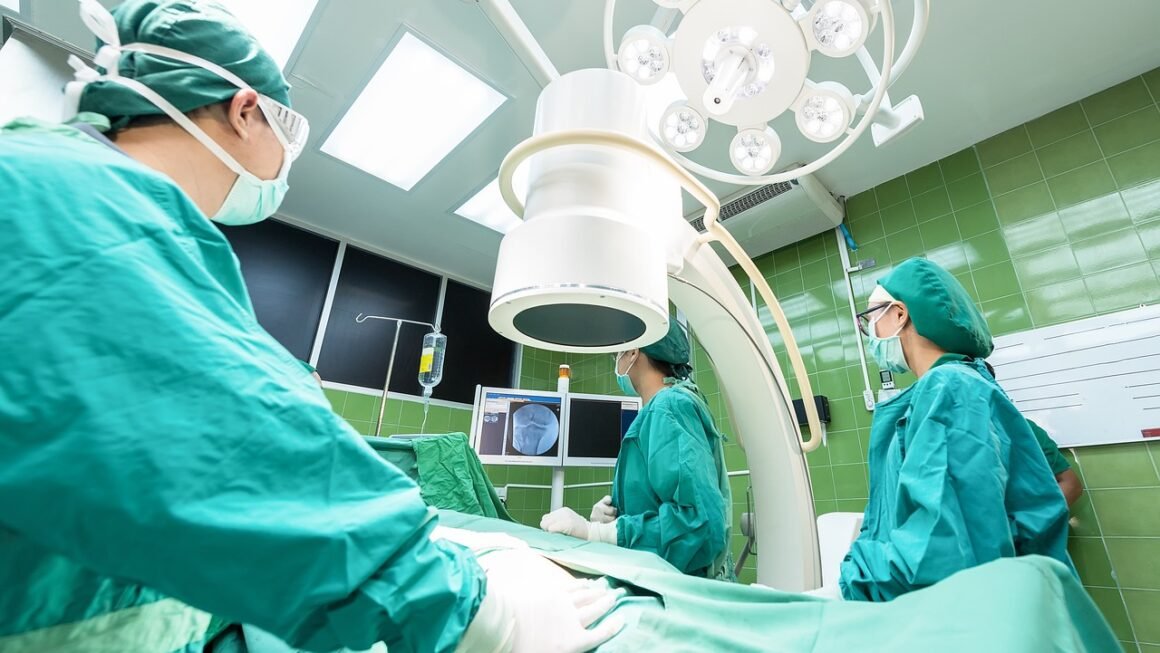
Surgical Underbite Correction: Orthognathic Surgery
For severe underbites, orthognathic surgery, also known as jaw surgery, may be necessary to reposition the jawbones.
When is Surgery Necessary?
Orthognathic surgery is typically recommended when non-surgical options are insufficient to correct the underbite due to significant skeletal discrepancies.
- Indications:
Severe underbite causing significant functional problems
Facial asymmetry
Difficulty chewing or speaking
Chronic jaw pain
The Surgical Procedure
Orthognathic surgery involves cutting and repositioning the jawbones to achieve proper alignment.
- Pre-Surgical Planning: A thorough evaluation, including x-rays, models, and photographs, is performed to plan the surgery.
- Surgical Techniques:
Mandibular Setback: The lower jaw is cut and moved back to align with the upper jaw.
Maxillary Advancement: The upper jaw is cut and moved forward to align with the lower jaw.
Combination Surgery: Both jaws may be repositioned to achieve the desired result.
- Recovery:
Recovery typically involves a period of swelling, bruising, and limited diet.
Orthodontic treatment is usually continued after surgery to fine-tune the bite.
Benefits and Risks of Surgery
While orthognathic surgery can significantly improve function and aesthetics, it’s essential to be aware of both the benefits and risks.
- Benefits:
Significant improvement in bite and facial appearance
Relief from jaw pain and TMJ symptoms
Improved chewing and speech
- Risks:
Infection
Nerve damage
Bleeding
Relapse
Anesthesia complications
Underbite Correction in Children
Early intervention is crucial for addressing underbites in children, as their jaws are still developing.
Early Intervention Strategies
Several strategies can be used to correct underbites in children:
- Growth Modification: Using appliances like headgear or chin cups to guide jaw growth.
- Myofunctional Therapy: Exercises to correct tongue posture and swallowing patterns.
- Early Orthodontic Treatment: Braces or Invisalign to align teeth and improve the bite.
The Importance of Early Diagnosis
Early diagnosis and treatment can prevent the underbite from worsening and reduce the need for more invasive interventions later in life.
- Recommendation: The American Association of Orthodontists recommends that children have their first orthodontic evaluation by age 7.
Maintaining Your Corrected Underbite
After undergoing underbite correction, it’s essential to maintain the results and prevent relapse.
Retention
Retention involves wearing retainers to keep the teeth in their new positions.
- Types of Retainers:
Removable retainers (e.g., clear aligner retainers, Hawley retainers)
Fixed retainers (a wire bonded to the back of the teeth)
- Wear Schedule: Retainers are typically worn full-time for a period of time, followed by nighttime wear.
Oral Hygiene
Maintaining good oral hygiene is crucial for preventing tooth decay and gum disease.
- Recommendations:
Brush your teeth twice a day
Floss daily
Use an antimicrobial mouthwash
* Visit your dentist for regular checkups and cleanings
Regular Check-ups
Regular check-ups with your orthodontist or dentist are essential for monitoring the stability of the correction and addressing any potential problems.
- Frequency: Check-ups are typically recommended every 6-12 months.
Conclusion
Underbite correction is a journey that can significantly improve both your oral health and your confidence. From understanding the causes and consequences of an underbite to exploring the various treatment options available, this guide provides a comprehensive overview of the process. Whether you opt for non-surgical orthodontic treatments like braces or Invisalign, or require orthognathic surgery for more severe cases, the key is to consult with a qualified orthodontist or oral surgeon who can develop a personalized treatment plan that meets your specific needs. Remember, early intervention in children can often prevent the need for more extensive treatments later in life. By taking proactive steps, you can achieve a healthy, functional, and aesthetically pleasing smile.