An underbite, characterized by the lower jaw protruding beyond the upper jaw, can be more than just a cosmetic concern. It can significantly impact chewing, speech, and overall oral health. Fortunately, various correction methods exist to address this common malocclusion. If you’re considering underbite correction, understanding the options available and what to expect is the first step towards a healthier, more confident smile. This comprehensive guide explores everything you need to know about underbites and their correction.
Understanding Underbites
What is an Underbite?
An underbite, clinically known as a Class III malocclusion, occurs when the lower teeth protrude in front of the upper teeth when the mouth is closed. While some cases are mild, others can be quite severe, impacting both function and aesthetics.
Causes of Underbites
Underbites are usually caused by a combination of factors, and understanding these factors is key to effective treatment planning:
- Genetics: Family history plays a significant role. If one or both parents have an underbite, the likelihood of their children developing one increases.
- Childhood Habits: Thumb sucking, tongue thrusting, and prolonged use of pacifiers beyond the recommended age can contribute to jaw misalignment.
- Maxillary Underdevelopment: Insufficient growth of the upper jaw can result in the lower jaw appearing to protrude more than it actually does.
- Mandibular Overgrowth: Excessive growth of the lower jaw can lead to a prominent underbite.
- Injuries: Trauma to the jaw can affect its growth and alignment, potentially causing an underbite.
The Impact of an Underbite
An underbite can lead to several oral health problems and impact quality of life. Some of the most common issues include:
- Difficulty Chewing: Misaligned jaws make it difficult to properly bite and chew food, which can lead to digestive problems.
- Speech Impediments: Certain sounds may be difficult to pronounce correctly, affecting clarity of speech.
- Jaw Pain and TMJ Disorders: Uneven pressure on the temporomandibular joint (TMJ) can cause pain, clicking, and other symptoms of TMJ disorders.
- Tooth Wear: Abnormal contact between teeth can lead to uneven wear and tear, increasing the risk of dental problems like cavities and gum disease.
- Difficulty Breathing: In severe cases, an underbite can restrict airflow and contribute to sleep apnea.
- Aesthetic Concerns: Many individuals with underbites feel self-conscious about their appearance, affecting their self-esteem.
Treatment Options for Underbite Correction
Orthodontic Treatment
Orthodontic treatment is often the first line of defense for correcting mild to moderate underbites. It involves using braces or aligners to gradually shift the teeth and jaws into proper alignment.
- Braces: Traditional metal braces are highly effective for correcting underbites. They consist of brackets bonded to the teeth and connected by wires, which are adjusted periodically to apply pressure and move the teeth.
Example: A patient with a mild underbite may need to wear braces for 18-24 months to achieve the desired results.
- Clear Aligners (Invisalign): Clear aligners are a discreet alternative to braces. They are custom-made, removable trays that gradually shift the teeth into alignment.
Example: Invisalign might be suitable for a patient with a less severe underbite and good compliance, needing around 12-18 months of treatment.
- Reverse-Pull Headgear: This orthodontic appliance is often used in growing children and adolescents to stimulate the growth of the upper jaw and correct an underbite. It consists of a face mask connected to bands or brackets on the upper teeth.
Example: A child with maxillary underdevelopment might wear reverse-pull headgear for 12-18 hours per day to encourage upper jaw growth.
- Chin Cup: Another orthopedic appliance used in children to restrict growth of the mandible.
Surgical Treatment (Orthognathic Surgery)
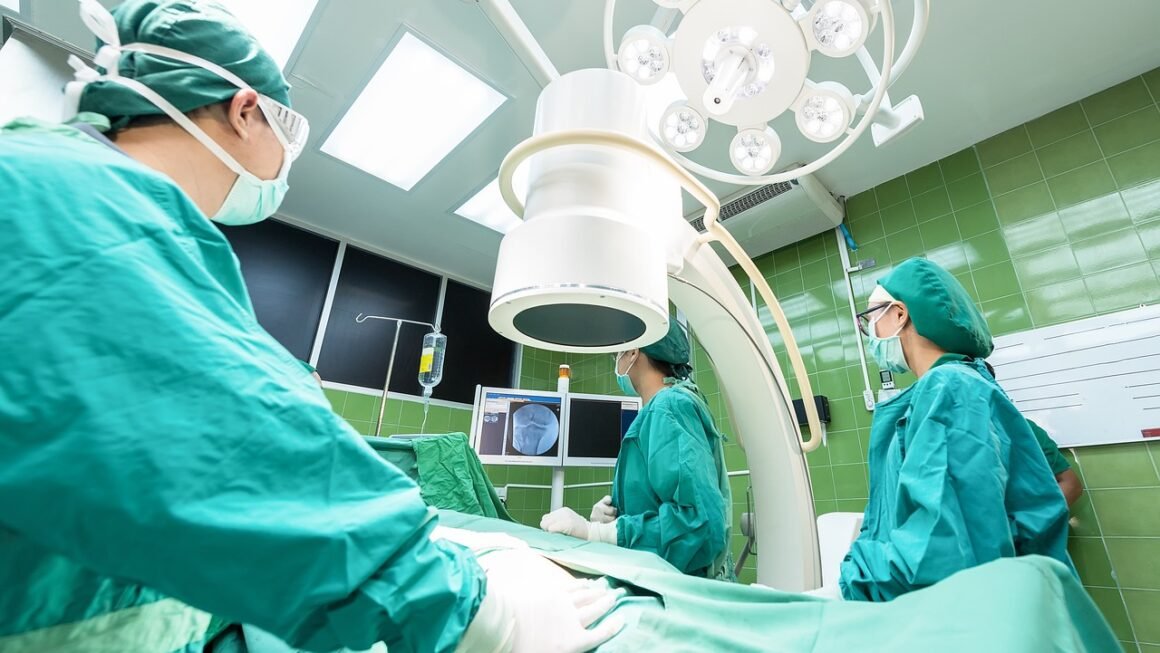
For severe underbites where orthodontic treatment alone is insufficient, orthognathic surgery (jaw surgery) may be necessary. This procedure involves surgically repositioning the upper and/or lower jaw to correct the alignment.
- Procedure: Orthognathic surgery is typically performed by an oral and maxillofacial surgeon in a hospital setting. The surgeon makes incisions inside the mouth to access the jawbones and reshape or reposition them. Plates, screws, or wires may be used to stabilize the jaw in its new position.
- Benefits: Surgical correction can significantly improve jaw function, facial aesthetics, and overall quality of life.
- Example: A patient with a severe underbite affecting their ability to chew and speak may require orthognathic surgery to reposition their lower jaw.
- Recovery: Recovery from orthognathic surgery usually takes several weeks. Patients may experience swelling, bruising, and discomfort, which can be managed with pain medication and a soft food diet.
- Combination with Orthodontics: Orthognathic surgery is often combined with orthodontic treatment. Braces are typically worn before and after surgery to align the teeth and ensure optimal results.
Other Treatment Modalities
While orthodontic and surgical interventions remain the most common approaches, alternative techniques exist for addressing underbites in select cases.
- Dental Veneers and Crowns: In mild cases, dental veneers or crowns can be used to improve the appearance of the teeth and camouflage a slight underbite. This is primarily a cosmetic solution and does not address the underlying skeletal issue.
- Tooth Extraction: In some cases, removing one or more teeth can help to alleviate crowding and improve the alignment of the jaws. This approach is usually considered when other treatment options are not feasible or when the underbite is relatively mild.
The Underbite Correction Process
Consultation and Diagnosis
The first step in correcting an underbite is to schedule a consultation with an orthodontist or oral and maxillofacial surgeon. During the consultation, the doctor will conduct a thorough examination of your teeth, jaws, and facial structure.
- Assessment: The doctor will take X-rays, photographs, and impressions of your teeth to assess the severity of the underbite and identify any underlying issues.
- Treatment Plan: Based on the findings, the doctor will develop a personalized treatment plan that outlines the recommended procedures, expected outcomes, and estimated cost.
- Discussion: It’s crucial to discuss your goals, concerns, and expectations with the doctor to ensure that the treatment plan aligns with your needs.
Treatment Implementation
Once the treatment plan is finalized, the next step is to begin the correction process. This may involve wearing braces or aligners, undergoing orthognathic surgery, or a combination of both.
- Orthodontic Treatment: If braces or aligners are recommended, you will need to visit the orthodontist regularly for adjustments and monitoring.
- Surgical Treatment: If orthognathic surgery is necessary, you will need to undergo a pre-operative evaluation and follow the surgeon’s instructions for preparing for the procedure.
- Post-Operative Care: After surgery, you will need to follow the surgeon’s post-operative instructions carefully to ensure proper healing and minimize complications.
Maintenance and Retention
After the underbite is corrected, it’s essential to maintain the results with proper oral hygiene and retention devices. Retainers are typically worn after orthodontic treatment to prevent the teeth from shifting back to their original position.
- Retainer Wear: You may need to wear a retainer full-time for a certain period, followed by part-time wear indefinitely.
- Oral Hygiene: Brushing, flossing, and regular dental checkups are crucial for maintaining good oral health and preventing relapse.
- Long-Term Monitoring: It’s important to continue seeing your dentist or orthodontist for regular checkups to monitor the stability of the correction and address any potential issues.
Benefits and Risks of Underbite Correction
Benefits of Underbite Correction
Correcting an underbite can provide a wide range of benefits, including:
- Improved Chewing Function
- Enhanced Speech Clarity
- Reduced Jaw Pain and TMJ Symptoms
- Decreased Tooth Wear
- Improved Breathing
- Enhanced Facial Aesthetics
- Increased Self-Esteem
Risks of Underbite Correction
Like any medical procedure, underbite correction carries some risks, although they are generally minimal when performed by experienced professionals.
- Orthodontic Treatment Risks:
Tooth Decay
Gum Disease
Root Resorption
Relapse
- Surgical Treatment Risks:
Infection
Bleeding
Nerve Damage
Scarring
Relapse
- General Risks:
Pain and Discomfort
Swelling and Bruising
* Adverse Reactions to Anesthesia
Conclusion
Correcting an underbite can significantly improve oral health, function, and aesthetics. Whether through orthodontic treatment, orthognathic surgery, or a combination of both, the potential benefits are substantial. If you suspect you have an underbite, consulting with an orthodontist or oral and maxillofacial surgeon is the first step towards a healthier, more confident smile. Understanding the various treatment options, the correction process, and potential benefits and risks will empower you to make informed decisions about your oral health. Remember, early intervention can often lead to simpler and more effective treatment outcomes. Take control of your smile and your health by seeking professional guidance today.