Is your lower jaw protruding further than your upper jaw, giving you what’s known as an underbite? This common malocclusion affects not only your appearance but can also impact your oral health and overall well-being. Understanding the causes, consequences, and correction options for an underbite is crucial. This guide provides comprehensive information on underbite correction, empowering you to make informed decisions about your treatment journey.
Understanding Underbite: Causes and Consequences
An underbite, clinically termed a Class III malocclusion, occurs when the lower teeth extend further than the upper teeth. It’s more than just a cosmetic concern; it can lead to various functional and health problems.
What Causes an Underbite?
Several factors contribute to the development of an underbite:
- Genetics: Family history plays a significant role. If your parents or grandparents have an underbite, you are more likely to develop one as well.
- Skeletal Abnormalities: The size and position of the jawbones (mandible and maxilla) are crucial. An overdeveloped mandible or an underdeveloped maxilla can result in an underbite.
Example: Someone with a naturally large lower jaw may be predisposed to an underbite.
- Childhood Habits: Certain habits during childhood can influence jaw development:
Prolonged thumb sucking or pacifier use beyond the age of 3.
Tongue thrusting (pushing the tongue against the front teeth when swallowing).
Mouth breathing.
- Trauma: Injuries to the jaw can sometimes disrupt its growth and alignment, leading to an underbite.
Consequences of Untreated Underbite
Ignoring an underbite can lead to several complications:
- Difficulty Chewing: Misalignment of the teeth can make it difficult to bite and chew food effectively, leading to digestive problems.
Example: Hard foods like apples or carrots might be particularly challenging to eat.
- Speech Impediments: An underbite can affect the ability to pronounce certain sounds clearly, leading to speech difficulties.
- Temporomandibular Joint Disorder (TMJ): The uneven bite can put excessive stress on the TMJ, causing pain, clicking, and locking of the jaw.
- Increased Risk of Tooth Decay and Gum Disease: Overcrowding and misalignment make it harder to clean teeth effectively, increasing the risk of cavities and gum disease.
Statistic: Studies show that individuals with malocclusion have a higher prevalence of periodontal disease.
- Sleep Apnea: In some cases, a severe underbite can contribute to obstructive sleep apnea by restricting airflow during sleep.
- Aesthetic Concerns: Many individuals are self-conscious about the appearance of their underbite, which can affect their self-esteem and social interactions.
- Actionable Takeaway: Recognizing the potential causes and consequences of an underbite emphasizes the importance of early detection and intervention. Schedule a consultation with an orthodontist or dentist if you suspect an underbite.
Underbite Correction Options: From Braces to Surgery
The best treatment for an underbite depends on its severity, the patient’s age, and overall health. A comprehensive evaluation by an orthodontist or oral surgeon is necessary to determine the most appropriate course of action.
Orthodontic Treatment (Braces and Aligners)
For mild to moderate underbites, orthodontic treatment can be highly effective, especially in growing children and adolescents.
- Traditional Braces: Metal braces are a common and reliable option for realigning teeth and correcting minor jaw discrepancies.
They apply constant pressure to the teeth, gradually shifting them into the desired position.
- Clear Aligners (e.g., Invisalign): Clear aligners offer a more discreet alternative to traditional braces. They are removable and virtually invisible, making them a popular choice for adults.
However, they may not be suitable for severe underbites.
- Headgear and Chin Cups: In young children whose jaws are still developing, headgear or chin cups can be used to guide jaw growth and correct an underbite.
Example: A chin cup can restrict the growth of the lower jaw, encouraging the upper jaw to catch up.
- Elastics (Rubber Bands): Elastics are often used in conjunction with braces to apply additional force and help align the jaws. They connect the upper and lower braces, encouraging the lower jaw to move backward.
Surgical Correction (Orthognathic Surgery)
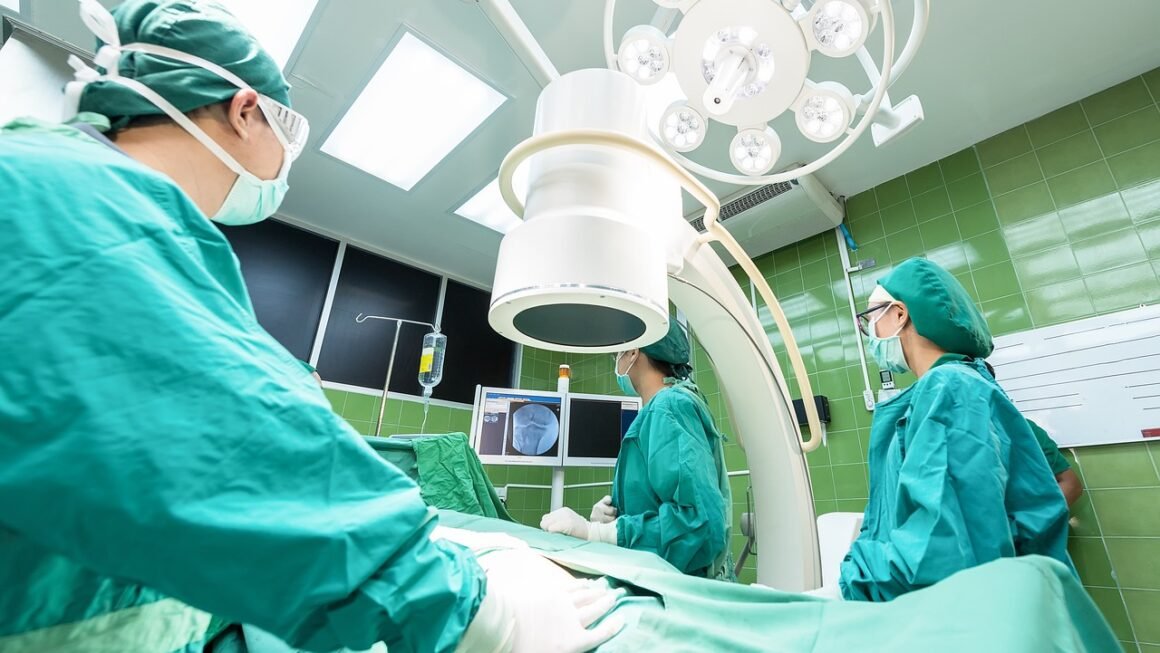
For severe underbites, especially those caused by significant skeletal discrepancies, orthognathic surgery is often necessary.
- Mandibular Setback Surgery: This procedure involves cutting and repositioning the lower jaw further back to align with the upper jaw.
- Maxillary Advancement Surgery: In cases where the upper jaw is underdeveloped, this surgery involves moving the upper jaw forward.
- Combined Surgery (Bimaxillary Osteotomy): Sometimes, both the upper and lower jaws need to be repositioned to achieve optimal alignment.
Details: Orthognathic surgery is typically performed by an oral and maxillofacial surgeon. It’s a more invasive procedure, but it can provide dramatic and lasting results for patients with severe underbites. The surgery is usually followed by orthodontic treatment to refine the bite.
Other Appliances
- Palatal Expanders: In children, palatal expanders can widen the upper jaw, creating more space for the teeth and potentially correcting a mild underbite.
- Functional Appliances: These appliances are designed to influence jaw growth and development in children and adolescents.
- Actionable Takeaway: Different underbite correction options are available, each with its own advantages and disadvantages. Consulting with a qualified orthodontist or oral surgeon is crucial for determining the most suitable treatment plan based on individual needs.
The Underbite Correction Process: What to Expect
Undergoing underbite correction is a significant undertaking. Understanding the process involved can help you prepare mentally and physically.
Initial Consultation and Evaluation
- Comprehensive Examination: The orthodontist or oral surgeon will conduct a thorough examination of your teeth, jaws, and bite.
- Diagnostic Records: X-rays, photographs, and dental impressions will be taken to create a detailed record of your condition.
- Treatment Planning: Based on the evaluation, a personalized treatment plan will be developed, outlining the goals of the treatment, the procedures involved, the estimated duration, and the associated costs.
Orthodontic Treatment Process
- Braces or Aligners Placement: If braces are chosen, brackets will be bonded to your teeth, and wires will be inserted. If aligners are chosen, you’ll receive a series of custom-made aligners to wear.
- Regular Adjustments: You’ll need to visit the orthodontist regularly (typically every 4-8 weeks) for adjustments. With braces, the wires will be adjusted to gradually move your teeth. With aligners, you’ll switch to a new set of aligners every 1-2 weeks.
- Treatment Duration: Orthodontic treatment for underbite correction typically takes 18-36 months, depending on the severity of the condition and the chosen treatment method.
Surgical Correction Process
- Pre-Surgical Orthodontics: Before surgery, you may need to undergo orthodontic treatment to align your teeth in preparation for jaw repositioning.
- Surgery: The surgery is performed under general anesthesia. The surgeon will make incisions inside your mouth to access the jawbones and reposition them according to the treatment plan. Plates and screws are used to secure the bones in their new positions.
- Post-Surgical Care: After surgery, you’ll need to follow a strict diet and oral hygiene regimen. You may experience swelling, bruising, and discomfort. Pain medication will be prescribed to manage the pain.
- Post-Surgical Orthodontics: After the initial healing period, you’ll resume orthodontic treatment to refine your bite and achieve optimal results.
Recovery and Maintenance
- Follow Post-Operative Instructions Carefully: Following the surgeon’s or orthodontist’s instructions is critical for a successful recovery and treatment outcome.
- Oral Hygiene: Maintain excellent oral hygiene throughout the treatment process to prevent complications such as tooth decay and gum disease.
- Retention: After orthodontic treatment, you’ll need to wear a retainer to maintain the corrected position of your teeth.
- Actionable Takeaway: The underbite correction process requires patience, commitment, and close collaboration with your orthodontist or oral surgeon. Adhering to the treatment plan and following their instructions will maximize your chances of achieving a successful outcome.
Benefits of Underbite Correction: Beyond Aesthetics
Correcting an underbite provides significant benefits that go beyond just improving your appearance.
Improved Oral Health
- Easier Cleaning: Straighter teeth are easier to clean, reducing the risk of tooth decay and gum disease.
- Reduced Risk of TMJ Disorders: Correcting the bite can alleviate stress on the TMJ, reducing the risk of pain, clicking, and locking of the jaw.
- Reduced Risk of Tooth Wear: Properly aligned teeth distribute chewing forces evenly, reducing the risk of excessive tooth wear and damage.
Enhanced Function
- Improved Chewing: Correcting an underbite allows for more efficient chewing, improving digestion and nutrient absorption.
- Clearer Speech: Improving the alignment of the teeth and jaws can enhance speech clarity.
Aesthetic Improvements
- Improved Facial Harmony: Correcting an underbite can improve the overall balance and symmetry of your face, enhancing your appearance.
- Increased Confidence: Many individuals feel more confident and self-assured after correcting their underbite.
Long-Term Benefits
- Prevention of Future Problems: Correcting an underbite early can prevent more serious problems from developing in the future.
- Improved Quality of Life: The combined benefits of improved oral health, enhanced function, and aesthetic improvements can significantly improve your overall quality of life.
- Actionable Takeaway: Underbite correction offers a multitude of benefits, ranging from improved oral health and function to enhanced aesthetics and self-confidence. Investing in treatment can lead to significant long-term improvements in your well-being.
Cost of Underbite Correction: Factors and Considerations
The cost of underbite correction can vary significantly depending on several factors.
Factors Affecting the Cost
- Severity of the Underbite: More severe underbites typically require more extensive and costly treatment.
- Type of Treatment: Orthodontic treatment with braces is generally less expensive than orthognathic surgery.
- Location: The cost of dental and surgical procedures can vary depending on your geographic location.
- Orthodontist’s or Surgeon’s Experience: More experienced and specialized professionals may charge higher fees.
- Insurance Coverage: Some dental insurance plans may cover a portion of the cost of underbite correction, especially if it is deemed medically necessary.
Cost Estimates
- Orthodontic Treatment (Braces or Aligners): The cost of orthodontic treatment for underbite correction can range from $3,000 to $8,000.
- Orthognathic Surgery: The cost of orthognathic surgery can range from $20,000 to $80,000, depending on the complexity of the procedure and the surgeon’s fees.
Financial Options
- Payment Plans: Many orthodontists and oral surgeons offer payment plans to make treatment more affordable.
- Dental Insurance: Check with your dental insurance provider to see if your plan covers orthodontic treatment or orthognathic surgery.
- Financing: Consider financing options such as personal loans or medical credit cards.
- Actionable Takeaway:* The cost of underbite correction can be substantial, but it’s important to consider the long-term benefits and the potential consequences of not seeking treatment. Explore your financial options and discuss the costs with your orthodontist or oral surgeon to make an informed decision.
Conclusion
Underbite correction is a worthwhile investment in your oral health, function, and overall well-being. Understanding the causes, consequences, treatment options, and costs associated with underbite correction empowers you to make informed decisions about your care. Early detection and intervention are key to achieving a successful outcome. Consult with a qualified orthodontist or oral surgeon to explore your treatment options and embark on the journey to a healthier and more confident smile.