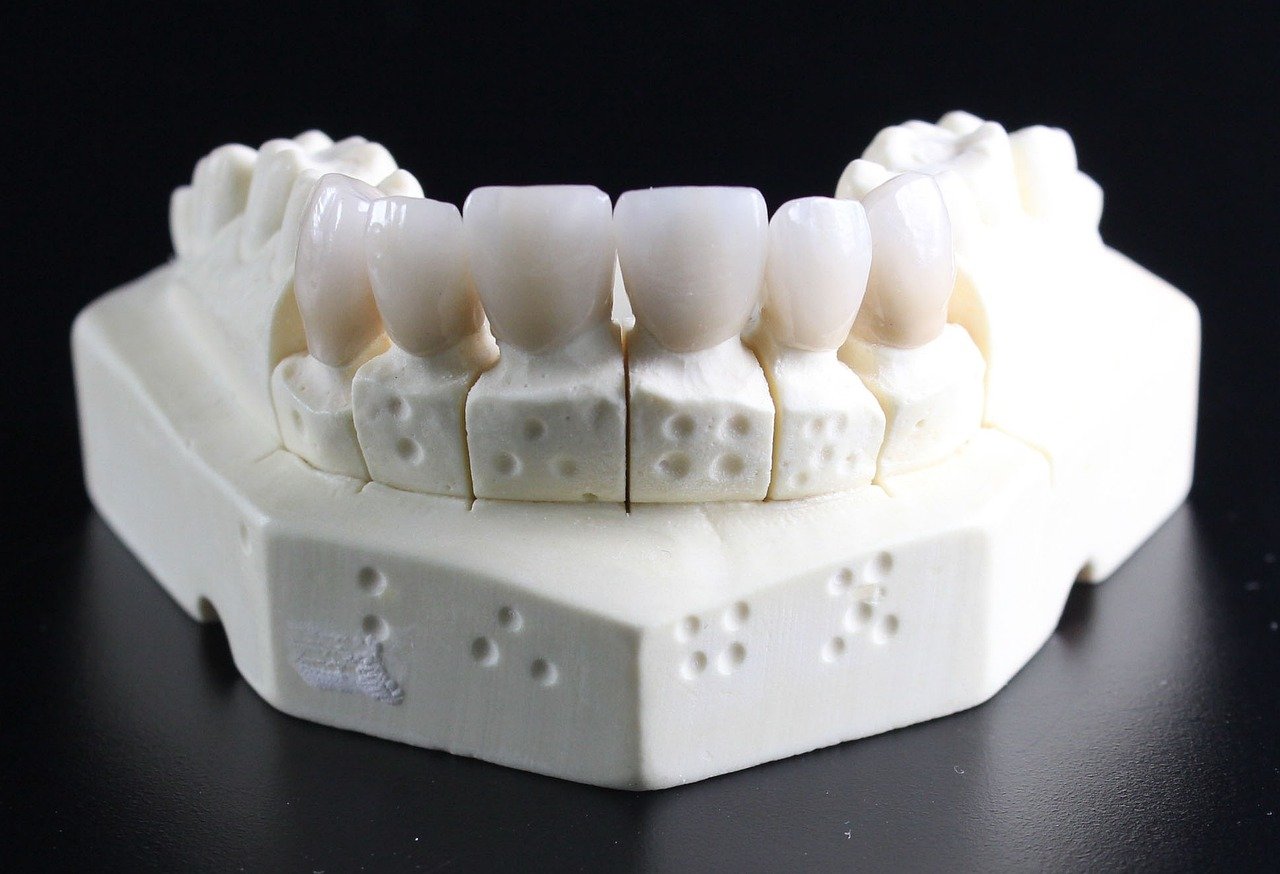
Choosing a dental plan can feel overwhelming, but understanding the benefits can save you money, protect your oral health, and provide peace of mind. From routine cleanings to unexpected procedures, a good dental plan is an investment in your overall well-being. This guide will break down the various components of dental insurance, helping you navigate the options and choose the best plan for your needs.
Why You Need a Dental Plan
Protecting Your Oral Health and Overall Well-being
Dental care is about more than just a bright smile; it’s directly linked to your overall health. Studies show a connection between oral health and systemic diseases like heart disease, diabetes, and stroke. Regular dental visits can help detect early signs of these conditions, allowing for timely treatment and potentially preventing serious health complications.
For example, gum disease (periodontitis) has been linked to an increased risk of heart disease. Keeping your gums healthy through regular cleanings and checkups can help reduce this risk. Investing in a dental plan is an investment in your broader health.
Preventing Costly Dental Problems
Proactive dental care is often more affordable than reactive care. Regular checkups and cleanings can identify potential problems early on, preventing them from escalating into more complex and costly procedures. Think of it like this: a small cavity caught early can be treated with a simple filling. Left untreated, it can progress to a root canal or even tooth extraction, resulting in significantly higher expenses.
Actionable Takeaway: Schedule regular dental checkups (typically twice a year) to catch potential problems early and minimize the need for expensive treatments.
Understanding Different Types of Dental Plans
Dental HMO (DHMO)
A Dental Health Maintenance Organization (DHMO) typically requires you to choose a primary care dentist (PCD) from the plan’s network. You must see this dentist for all your routine care, and referrals are often required to see specialists. DHMO plans generally have lower premiums and out-of-pocket costs compared to other types of dental insurance.
- Pros: Lower premiums, often no deductibles.
- Cons: Limited network of dentists, requires referrals to see specialists.
- Example: If you need to see an orthodontist for braces, you’ll likely need a referral from your PCD.
Dental PPO (DPPO)
A Dental Preferred Provider Organization (DPPO) offers more flexibility than a DHMO. You can see any dentist you choose, but you’ll typically pay less if you visit a dentist within the plan’s network. DPPO plans usually have higher premiums than DHMO plans but offer greater freedom in choosing your dental provider.
- Pros: Wider network of dentists, no referrals required, can see out-of-network dentists.
- Cons: Higher premiums, may have deductibles and co-insurance.
- Example: You can visit any dentist for a cleaning, but your out-of-pocket costs will be lower if you see a dentist within the PPO network.
Indemnity Plans (Fee-for-Service)
Indemnity plans, also known as fee-for-service plans, offer the most flexibility. You can see any dentist you choose without needing referrals, and the plan will pay a percentage of the dentist’s fee. These plans usually have the highest premiums and may require you to pay upfront and submit a claim for reimbursement.
- Pros: Maximum flexibility in choosing dentists, no network restrictions.
- Cons: Highest premiums, may require upfront payment and claims submission.
- Example: You can see any dentist, anywhere, and the plan will reimburse you a percentage of the covered expenses.
Discount Dental Plans
Discount dental plans are not insurance; they are membership programs that offer reduced rates on dental services. You pay an annual fee to join the plan and receive discounts from participating dentists.
- Pros: Lower annual fees than insurance premiums, discounts on various dental services.
- Cons: Not insurance, discounts only available from participating dentists, may not cover all services.
- Example: You pay a membership fee and receive a set percentage discount on cleanings, fillings, and other procedures from dentists within the plan’s network.
Actionable Takeaway: Carefully consider your needs and budget when choosing a dental plan. A DHMO may be suitable if you prioritize low premiums and don’t mind choosing a dentist from a limited network. A DPPO or indemnity plan may be a better choice if you value flexibility and want to see a specific dentist.
Key Dental Plan Benefits and Coverage
Preventive Care
Preventive care is a crucial component of most dental plans. It typically includes:
- Regular checkups and cleanings (usually twice a year)
- X-rays
- Fluoride treatments
- Sealants (especially for children)
Many dental plans cover preventive care at 100%, meaning you won’t have any out-of-pocket costs for these services (after meeting any applicable deductible). This encourages regular visits, helping to maintain good oral health and prevent more serious problems.
Basic Restorative Care
Basic restorative care typically includes:
- Fillings (composite or amalgam)
- Simple extractions
- Emergency pain relief
Dental plans often cover basic restorative care at around 80% after you’ve met your deductible. Some plans may have waiting periods before covering these services.
Major Restorative Care
Major restorative care includes more complex procedures, such as:
- Crowns
- Bridges
- Dentures
- Root canals
Major restorative care is typically covered at a lower percentage than basic care, often around 50%. These services usually have higher annual maximums and may also have waiting periods.
Orthodontics
Orthodontic coverage is often offered as a separate benefit or as part of a comprehensive dental plan. It typically includes:
- Braces
- Invisalign
- Retainers
Orthodontic coverage often has lifetime maximums and may only be available for children or adolescents. Some plans may have age restrictions or waiting periods.
Actionable Takeaway: Review the Summary of Benefits and Coverage (SBC) document for each plan you’re considering to understand what services are covered, the coverage percentages, and any limitations or waiting periods.
Maximizing Your Dental Plan Benefits
Understand Your Plan’s Terms
Familiarize yourself with your dental plan’s terminology, including:
- Premium: The monthly fee you pay for coverage.
- Deductible: The amount you must pay out-of-pocket before your insurance starts paying.
- Co-insurance: The percentage of the cost you share with the insurance company after you’ve met your deductible.
- Annual Maximum: The maximum amount the insurance company will pay for your dental care in a year.
- Waiting Periods: The time you must wait after enrolling in a plan before certain services are covered.
Use In-Network Dentists
If you have a DHMO or DPPO plan, using in-network dentists will typically result in lower out-of-pocket costs. In-network dentists have agreed to accept negotiated rates with the insurance company, which can save you money.
Take Advantage of Preventive Care
As preventive care is usually covered at 100%, make sure to schedule regular checkups and cleanings to maintain good oral health and prevent potential problems. This will not only improve your oral health, but also help you get the most value from your dental plan.
Plan for Major Procedures
If you know you’ll need a major dental procedure, such as a crown or root canal, plan ahead. Check your plan’s coverage for major restorative care, any waiting periods, and your annual maximum. You may be able to schedule the procedure towards the end of the year, after you’ve met your deductible, or split it between two years to maximize your annual maximum benefit.
Coordinate with Other Health Insurance
If you have other health insurance coverage, such as a flexible spending account (FSA) or health savings account (HSA), you may be able to use these funds to pay for out-of-pocket dental expenses.
Actionable Takeaway: Proactively manage your dental care and take advantage of your plan’s benefits to minimize out-of-pocket costs and maintain optimal oral health.
Conclusion
Choosing the right dental plan is a crucial step in protecting your oral health and overall well-being. By understanding the different types of plans, key benefits, and strategies for maximizing your coverage, you can make an informed decision and ensure you receive the dental care you need at an affordable price. Remember to prioritize preventive care, familiarize yourself with your plan’s terms, and take advantage of in-network dentists to get the most value from your dental insurance.