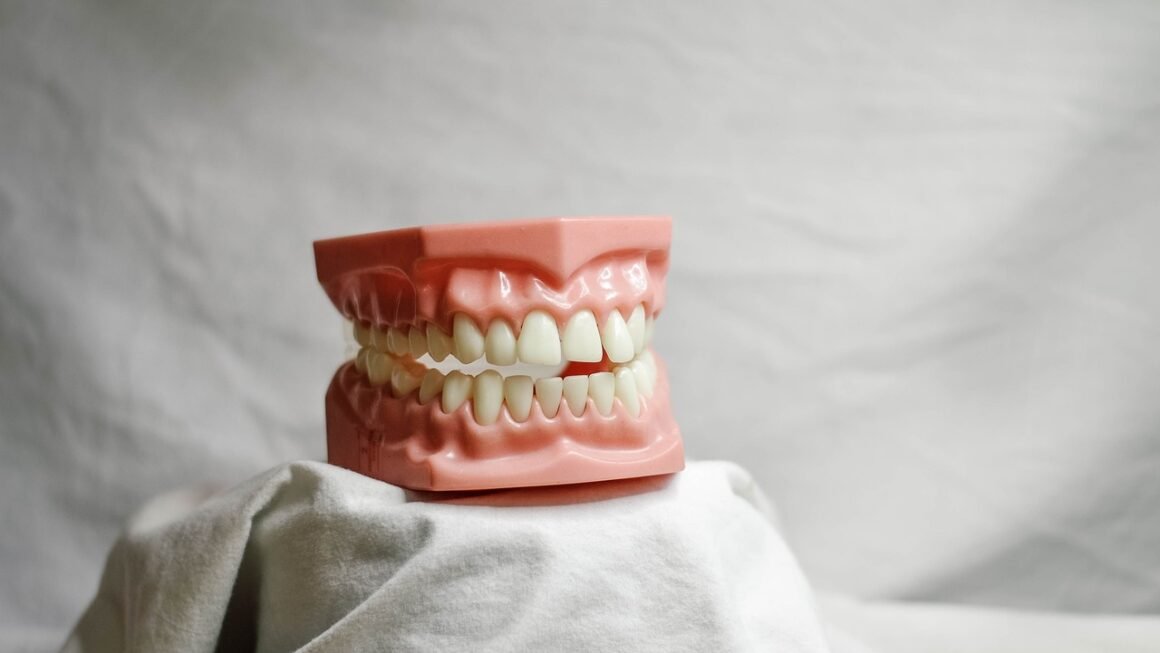
Gum disease, also known as periodontal disease, is a silent threat lurking in the mouths of millions. Often painless and progressing slowly, it can lead to tooth loss, bone damage, and even contribute to systemic health problems. The good news? Gum disease is largely preventable! By understanding the risk factors, adopting a consistent oral hygiene routine, and seeking regular dental care, you can protect your gums and maintain a healthy, beautiful smile for years to come.
Understanding Gum Disease: A Silent Threat
Gum disease isn’t just about bad breath; it’s a serious infection of the gums that damages the soft tissue and bone that support your teeth. It starts with plaque, a sticky film of bacteria that constantly forms on your teeth. When plaque isn’t removed through brushing and flossing, it hardens into tartar (calculus), which can only be removed by a dental professional. This build-up irritates the gums, leading to inflammation.
Gingivitis: The Reversible Stage
Gingivitis is the early stage of gum disease. At this point, the gums become red, swollen, and bleed easily, especially during brushing. Thankfully, gingivitis is often reversible with good oral hygiene practices and professional cleaning.
- Symptoms: Red, swollen, or tender gums; bleeding during brushing or flossing; bad breath.
- Actionable Takeaway: If you notice these symptoms, step up your oral hygiene routine and schedule a dental appointment.
Periodontitis: The Advanced Stage
If gingivitis is left untreated, it can progress to periodontitis. In this advanced stage, the gums pull away from the teeth, forming pockets that become infected. The body’s immune system fights the bacteria, but this can damage the bone and tissues that hold teeth in place. Eventually, teeth can become loose and may need to be extracted.
- Symptoms: Receding gums; persistent bad breath; loose teeth; changes in bite; pus between teeth and gums.
- Actionable Takeaway: Periodontitis requires professional treatment by a dentist or periodontist. The sooner you seek treatment, the better the chances of saving your teeth.
- Statistics: According to the CDC, nearly half of adults aged 30 or older show signs of gum disease.
Mastering Your Oral Hygiene Routine
A consistent and thorough oral hygiene routine is the cornerstone of gum disease prevention. It involves more than just a quick brush in the morning.
Brushing Techniques for Optimal Cleanliness
Brushing effectively removes plaque and food debris from the surfaces of your teeth.
- Technique: Use a soft-bristled toothbrush and fluoride toothpaste. Hold the brush at a 45-degree angle to the gum line and use gentle, circular motions.
- Frequency: Brush at least twice a day for two minutes each time. Pay attention to all surfaces of your teeth, including the front, back, and chewing surfaces.
- Practical Example: Use a timer on your phone to ensure you brush for the full two minutes. Divide your mouth into quadrants (upper right, upper left, lower right, lower left) and spend 30 seconds on each.
- Toothbrush care: Replace your toothbrush every three to four months, or sooner if the bristles are frayed.
The Importance of Flossing
Flossing removes plaque and food particles from between your teeth, where your toothbrush can’t reach. This is crucial for preventing gum disease because these areas are particularly susceptible to plaque buildup.
- Technique: Use about 18 inches of floss, wrapping it around your middle fingers. Gently guide the floss between your teeth using a sawing motion. Curve the floss into a “C” shape around each tooth and slide it gently under the gum line.
- Frequency: Floss at least once a day, preferably before bedtime.
- Practical Example: If you find traditional flossing difficult, consider using interdental brushes or a water flosser.
- Actionable Takeaway: Don’t skip flossing! Make it a non-negotiable part of your daily routine.
Mouthwash: An Added Layer of Protection
Therapeutic mouthwashes can help kill bacteria, reduce plaque, and freshen breath.
- Types: Look for mouthwashes containing fluoride, chlorhexidine gluconate, or essential oils.
- Usage: Rinse with mouthwash after brushing and flossing, or as directed by your dentist.
- Caution: Some mouthwashes can stain teeth, so use them according to the instructions and consult your dentist if you have concerns.
The Role of Regular Dental Checkups
Even with excellent home care, regular dental checkups are essential for preventing and detecting gum disease early.
Professional Cleanings: Removing Tartar Buildup
Dental hygienists use specialized tools to remove tartar from above and below the gum line. This helps prevent the progression of gingivitis and periodontitis.
- Frequency: Schedule professional cleanings every six months, or more frequently if you have a history of gum disease.
- Benefits: Removal of tartar, early detection of cavities and other dental problems, polishing of teeth.
Dental Examinations: Identifying Early Signs of Gum Disease
During a dental examination, your dentist will assess your gums for signs of inflammation, bleeding, and pocket formation. They may also take X-rays to check for bone loss.
- Frequency: Schedule dental examinations every six months.
- Benefits: Early detection and treatment of gum disease, monitoring of overall oral health, personalized recommendations for oral hygiene.
Lifestyle Factors that Impact Gum Health
Certain lifestyle factors can significantly impact your risk of developing gum disease. Making healthy choices can help protect your gums.
Smoking and Gum Disease
Smoking is a major risk factor for gum disease. It weakens the immune system, making it harder to fight off infection, and impairs the healing process.
- Impact: Smokers are more likely to develop severe periodontitis and experience tooth loss.
- Actionable Takeaway: Quit smoking! This is one of the best things you can do for your oral and overall health.
Diet and Nutrition
A healthy diet is essential for maintaining strong teeth and gums.
- Recommendations: Eat a balanced diet rich in fruits, vegetables, and whole grains. Limit sugary snacks and drinks, which can contribute to plaque formation.
- Specific Nutrients: Vitamin C and zinc are important for gum health.
- Actionable Takeaway: Cut down on sugary drinks and snacks and load up on fruits, vegetables, and whole grains.
Managing Stress
Stress can weaken the immune system, making you more susceptible to infections, including gum disease.
- Stress Management Techniques: Practice relaxation techniques such as meditation, yoga, or deep breathing exercises.
- Actionable Takeaway: Find healthy ways to manage stress to protect your oral and overall health.
Conclusion
Preventing gum disease requires a proactive approach that combines excellent oral hygiene practices, regular dental checkups, and healthy lifestyle choices. By understanding the risks, adopting a consistent routine, and working closely with your dental professional, you can protect your gums and enjoy a healthy, confident smile for years to come. Don’t wait until you have symptoms – start taking care of your gums today!