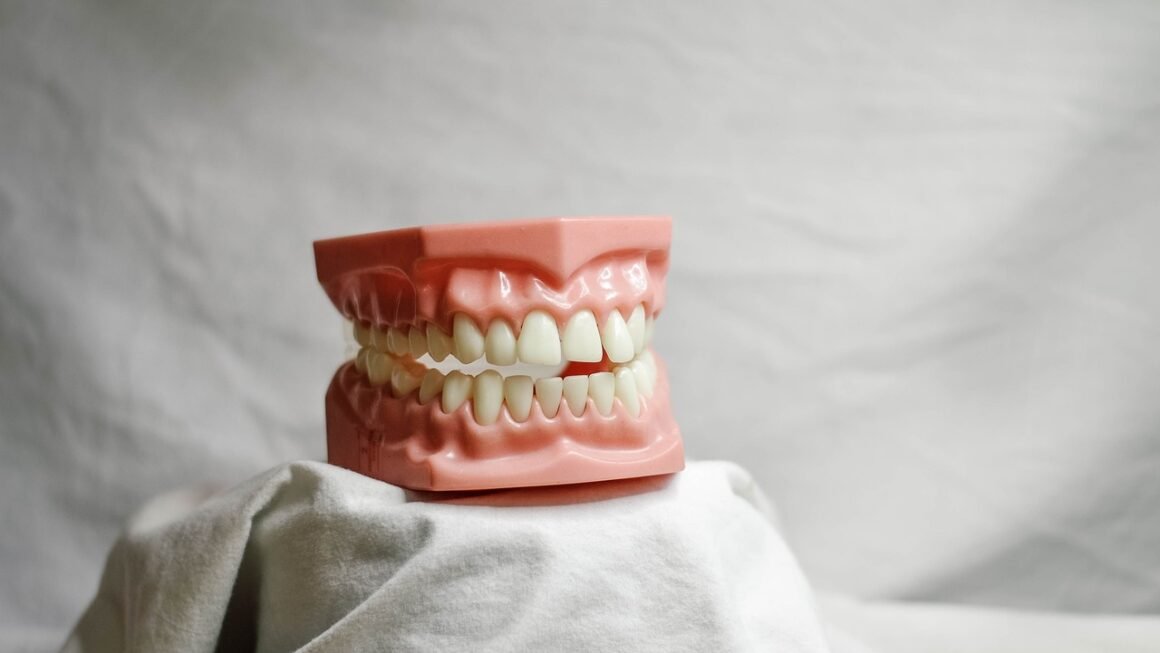
Maintaining a healthy smile goes beyond just aesthetics; it’s a cornerstone of overall well-being. A consistent and effective oral health routine is your best defense against cavities, gum disease, and other oral health issues that can impact your quality of life. This comprehensive guide provides a detailed look at establishing and maintaining an optimal oral hygiene regimen.
The Foundation: Brushing Techniques
Choosing the Right Toothbrush
- Manual vs. Electric: Both types can be effective. Electric toothbrushes often have built-in timers and pressure sensors, making them helpful for consistent and gentle brushing. Manual toothbrushes offer more control and are generally more affordable.
- Bristle Softness: Opt for soft-bristled toothbrushes to minimize the risk of damaging your gums and enamel. Hard bristles can be abrasive and lead to sensitivity.
- Toothbrush Head Size: Select a size that allows you to comfortably reach all areas of your mouth, including the back molars.
Mastering the Brushing Method
- Angle: Hold your toothbrush at a 45-degree angle to your gums.
- Motion: Use gentle, short strokes, moving the brush back and forth in a circular motion.
- Coverage: Brush all surfaces of each tooth – the outer surface, inner surface, and chewing surface. Don’t forget to brush your tongue to remove bacteria and freshen your breath.
- Timing: Brush for at least two minutes, twice a day. Many electric toothbrushes have timers to help you achieve the recommended brushing time.
- Example: Imagine each tooth divided into four quadrants. Spend 30 seconds on each quadrant, ensuring thorough cleaning.
When to Replace Your Toothbrush
- Replace your toothbrush every three months, or sooner if the bristles are frayed or worn.
- A worn toothbrush is less effective at removing plaque and bacteria.
- After an illness, it’s wise to replace your toothbrush to avoid re-infection.
Flossing: Reaching Where Your Brush Can’t
Understanding the Importance of Flossing
- Flossing removes plaque and food particles from between your teeth and along the gumline, areas that your toothbrush can’t reach.
- Regular flossing helps prevent gum disease (gingivitis and periodontitis) and cavities between teeth.
- Studies show that people who floss regularly are less likely to develop heart disease.
Flossing Techniques
- Length: Use about 18 inches of floss, winding most of it around your middle fingers, leaving a few inches to work with.
- Guidance: Gently guide the floss between your teeth using a sawing motion. Avoid snapping the floss into your gums.
- C-Shape: Curve the floss into a “C” shape around each tooth, making sure to go below the gumline.
- Motion: Use an up-and-down motion to scrape the plaque and debris away from the tooth.
- Fresh Section: Use a clean section of floss for each tooth.
- Alternative Tools: If you find traditional floss difficult to use, consider floss picks, interdental brushes, or water flossers.
Integrating Flossing into Your Routine
- Floss at least once a day, preferably before bedtime.
- Flossing before brushing allows the fluoride in your toothpaste to better reach the areas between your teeth.
- Make flossing a habit by associating it with another daily activity, such as watching television or before showering.
Rinsing: Adding an Extra Layer of Protection
Benefits of Using Mouthwash
- Reduces Plaque and Gingivitis: Many mouthwashes contain ingredients that kill bacteria and reduce inflammation.
- Freshens Breath: Mouthwash can help eliminate bad breath by killing odor-causing bacteria.
- Fluoride Protection: Fluoride mouthwashes can help strengthen tooth enamel and prevent cavities.
- Specific Needs: There are mouthwashes designed for specific needs, such as sensitivity, dry mouth, or whitening.
Choosing the Right Mouthwash
- Fluoride Mouthwash: Ideal for cavity prevention and strengthening enamel.
- Antiseptic Mouthwash: Contains ingredients like chlorhexidine or essential oils to kill bacteria and reduce gingivitis. Use as directed by your dentist, as long-term use of chlorhexidine can stain teeth.
- Cosmetic Mouthwash: Primarily freshens breath without providing significant therapeutic benefits.
- Alcohol-Free Mouthwash: A good option for people with dry mouth or those who are sensitive to alcohol.
Proper Rinsing Technique
- Timing: Rinse after brushing and flossing.
- Dosage: Use the amount of mouthwash recommended on the product label (usually around 20 ml).
- Duration: Swish the mouthwash around in your mouth for 30-60 seconds.
- Avoid Swallowing: Spit out the mouthwash after rinsing.
- Don’t Rinse with Water: Avoid rinsing with water for at least 30 minutes after using mouthwash to allow the active ingredients to work.
Diet and Hydration: Fueling a Healthy Smile
The Impact of Diet on Oral Health
- Sugary Foods and Drinks: Sugar feeds bacteria in your mouth, which produces acid that erodes tooth enamel, leading to cavities.
- Acidic Foods and Drinks: Acidic foods and drinks, such as citrus fruits, sodas, and energy drinks, can also erode tooth enamel.
- Sticky Foods: Sticky foods, like caramels and gummies, tend to cling to your teeth, providing a prolonged source of sugar for bacteria.
Foods That Promote Oral Health
- Crunchy Fruits and Vegetables: These help scrub away plaque and stimulate saliva production. Examples include apples, carrots, and celery.
- Dairy Products: Cheese and milk contain calcium and phosphorus, which help strengthen tooth enamel.
- Leafy Green Vegetables: Rich in vitamins and minerals that are essential for healthy gums and teeth.
- Nuts and Seeds: Provide healthy fats and minerals that support oral health.
Hydration: The Importance of Saliva
- Saliva’s Role: Saliva helps neutralize acids, remineralize tooth enamel, and wash away food particles.
- Dry Mouth: Dry mouth increases the risk of cavities and gum disease.
- Staying Hydrated: Drink plenty of water throughout the day to stimulate saliva production and keep your mouth moist.
- Limit Sugary Drinks: Replace sugary drinks with water to reduce your risk of cavities.
Professional Check-ups: Partnering with Your Dentist
The Importance of Regular Dental Visits
- Early Detection: Regular check-ups allow your dentist to detect and treat oral health problems early, before they become more serious and costly.
- Professional Cleaning: Dental hygienists remove plaque and tartar that you can’t remove at home, helping to prevent gum disease.
- Personalized Advice: Your dentist can provide personalized advice on how to improve your oral hygiene and address any specific concerns you may have.
What to Expect During a Dental Check-up
- Examination: Your dentist will examine your teeth, gums, and mouth for signs of decay, gum disease, and other oral health problems.
- X-rays: X-rays may be taken to detect hidden cavities or problems beneath the gumline.
- Cleaning: A dental hygienist will clean your teeth, removing plaque and tartar.
- Fluoride Treatment: A fluoride treatment may be applied to strengthen tooth enamel.
- Discussion: Your dentist will discuss their findings with you and recommend any necessary treatment.
How Often Should You Visit Your Dentist?
- Most people should visit their dentist every six months for a check-up and cleaning.
- Your dentist may recommend more frequent visits if you have a higher risk of cavities or gum disease.
- Children should also visit the dentist regularly, starting around age one.
Conclusion
A comprehensive oral health routine encompasses more than just brushing your teeth. It’s a holistic approach that includes proper brushing and flossing techniques, incorporating mouthwash, mindful eating habits, and consistent professional dental care. By adopting these strategies, you are investing in a healthy smile and contributing to your overall well-being for years to come. Remember, consistency is key – make these habits a non-negotiable part of your daily life and enjoy the benefits of a healthy, confident smile.