Achieving a brighter, whiter smile is a common desire, and whitening trays offer a convenient and effective way to do just that from the comfort of your own home. Whether you’re preparing for a special occasion or simply want to boost your confidence, understanding the ins and outs of whitening trays is crucial for achieving optimal results and maintaining your oral health. This comprehensive guide will walk you through everything you need to know about whitening trays, from the different types available to proper usage and maintenance.
What are Whitening Trays?
Understanding the Basics
Whitening trays are custom-fitted or pre-fabricated mouthguards designed to hold tooth whitening gel against your teeth. The gel typically contains hydrogen peroxide or carbamide peroxide, which break down stains and lighten the enamel. The trays ensure the gel stays in contact with your teeth for the prescribed amount of time, maximizing its effectiveness and minimizing contact with your gums.
Custom vs. Pre-fabricated Trays
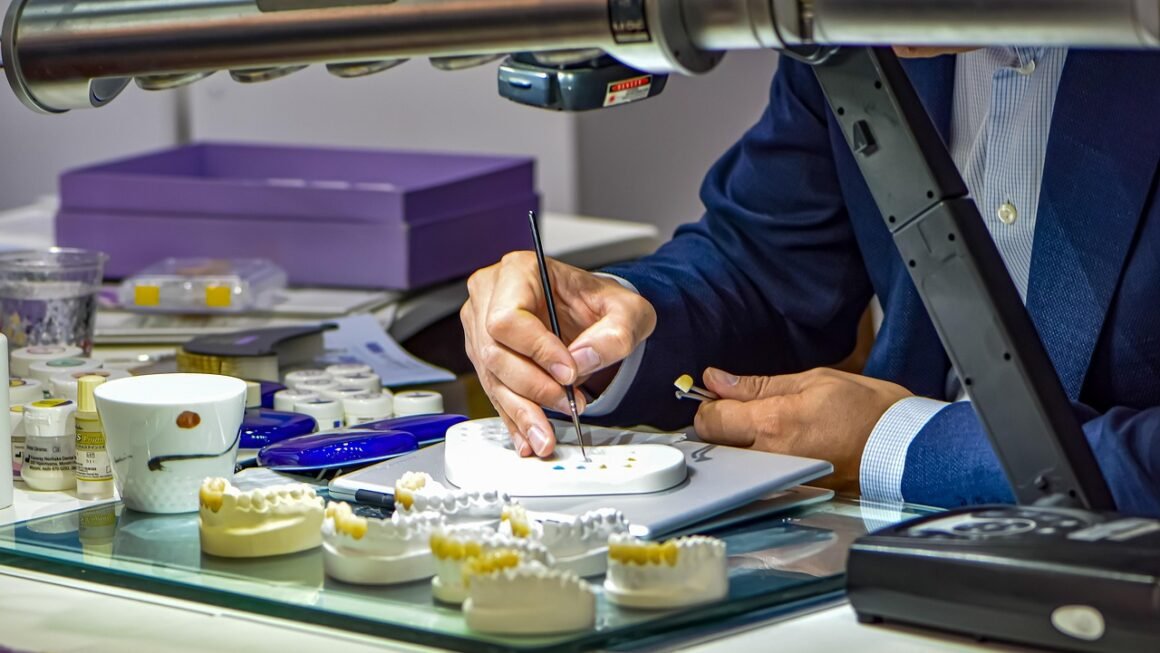
- Custom Trays: Made by a dentist using an impression of your teeth. They offer a precise fit, ensuring even gel distribution and minimizing gum irritation. This option is generally more expensive but provides superior results and comfort.
Example: Your dentist takes an impression, sends it to a lab, and you receive a perfectly fitted tray within a week or two.
- Pre-fabricated Trays: Available over-the-counter (OTC). These are generic sizes and shapes. While more affordable, they may not fit as snugly, potentially leading to uneven whitening and gum sensitivity.
Example: You can purchase a pre-filled whitening tray kit at your local drugstore.
The Whitening Gel
The effectiveness of whitening trays largely depends on the concentration of the whitening gel. Higher concentrations offer faster results but also increase the risk of sensitivity.
- Hydrogen Peroxide: Generally used for shorter treatment times and may provide faster initial whitening.
- Carbamide Peroxide: Breaks down into hydrogen peroxide more slowly, making it suitable for overnight use or longer treatment periods.
* Example: A 10% carbamide peroxide gel breaks down to approximately 3.5% hydrogen peroxide.
Benefits of Using Whitening Trays
Enhanced Convenience
Whitening trays offer the flexibility to whiten your teeth at home, on your own schedule.
- You can use them while reading, watching TV, or doing household chores.
- No need to visit the dentist frequently for whitening procedures.
Cost-Effectiveness
Compared to in-office whitening treatments, whitening trays can be a more affordable option, especially custom trays used over multiple sessions or years with refills.
- A one-time investment in custom trays can be used repeatedly with refills of whitening gel.
- Over-the-counter options provide a lower initial cost but may require more frequent replacements.
Improved Control
You have greater control over the level of whitening achieved.
- You can adjust the duration and frequency of treatments based on your desired results and sensitivity levels.
- Touch-up treatments can be easily performed to maintain your bright smile.
Minimizing Sensitivity
Custom trays help minimize gum irritation by providing a precise fit. You can also use desensitizing toothpaste or gels to further reduce sensitivity.
- Desensitizing toothpaste containing potassium nitrate can block nerve signals, reducing discomfort.
- Applying a fluoride gel after whitening can also help strengthen enamel and reduce sensitivity.
How to Use Whitening Trays Effectively
Preparing for Whitening
- Consult Your Dentist: Before starting any whitening treatment, consult your dentist to ensure your teeth and gums are healthy. They can also help determine the appropriate gel concentration for your needs.
- Thorough Cleaning: Brush and floss your teeth thoroughly before each whitening session to remove plaque and debris, allowing the gel to effectively contact your enamel.
- Dry Your Teeth: Use a clean towel to gently dry your teeth before applying the whitening gel.
Applying the Gel and Trays
- Apply a Small Amount: Apply a small, pea-sized amount of whitening gel into each tooth impression in the tray. Avoid overfilling the trays, as excess gel can irritate your gums.
- Insert the Trays: Carefully insert the trays into your mouth, ensuring they fit snugly against your teeth.
- Wipe Away Excess Gel: Use a clean tissue or soft toothbrush to gently wipe away any excess gel that squeezes out around your gums.
Treatment Duration and Frequency
- Follow Instructions: Always follow your dentist’s or the product’s instructions regarding treatment duration and frequency. Overuse can lead to increased sensitivity and enamel damage.
- Typical Regimen: A common regimen involves wearing the trays for 30 minutes to 1 hour per day, or overnight if using a lower concentration gel.
- Monitor Sensitivity: Pay attention to any sensitivity. If you experience significant discomfort, reduce the treatment time or frequency, or discontinue use and consult your dentist.
Post-Whitening Care
- Rinse Thoroughly: After each whitening session, remove the trays and rinse your mouth thoroughly with water.
- Clean the Trays: Clean the trays with a soft toothbrush and lukewarm water. Avoid using hot water, as it can warp the trays.
- Store Properly: Store the trays in a clean, dry case to prevent bacterial growth.
Potential Side Effects and Precautions
Tooth Sensitivity
Tooth sensitivity is a common side effect of whitening treatments, caused by the whitening agents penetrating the enamel.
- Management: Use desensitizing toothpaste, reduce treatment time, or take breaks between sessions. Fluoride treatments can also help.
Gum Irritation
Gum irritation can occur if the whitening gel comes into contact with your gums.
- Prevention: Use custom-fitted trays and apply the gel carefully to avoid overfilling. Wipe away any excess gel immediately.
Uneven Whitening
Uneven whitening can result from poorly fitting trays or inconsistent application of the gel.
- Solution: Ensure proper tray fit and even gel distribution. Custom trays are less likely to cause this issue.
Other Considerations
- Pregnancy and Breastfeeding: Whitening treatments are generally not recommended during pregnancy or breastfeeding.
- Dental Restorations: Whitening agents do not affect the color of fillings, crowns, or veneers. Therefore, you may need to consider replacing these restorations after whitening to match your new tooth shade.
- Underlying Conditions: Individuals with certain dental conditions, such as enamel erosion or exposed root surfaces, should consult their dentist before using whitening trays.
Conclusion
Whitening trays offer a convenient and effective way to achieve a brighter, whiter smile from the comfort of your home. By understanding the different types of trays and gels, following proper usage guidelines, and taking necessary precautions, you can minimize potential side effects and maximize your results. Remember to consult with your dentist before starting any whitening treatment to ensure it’s the right choice for your specific needs and oral health. A radiant smile is within reach with the right knowledge and care!