Achieving a dazzling, confident smile is a goal for many, and professional teeth whitening has become an increasingly popular solution. Among the various whitening options available, whitening trays offer a convenient and effective way to brighten your teeth in the comfort of your own home. But with so many choices, understanding the different types, how they work, and what to expect is essential for making the right decision. This guide will provide a comprehensive overview of whitening trays, empowering you to achieve a brighter, more radiant smile.
Understanding Whitening Trays: Types and How They Work
What are Whitening Trays?
Whitening trays are custom-fitted or pre-fabricated trays that hold a bleaching gel against your teeth. The gel typically contains hydrogen peroxide or carbamide peroxide, which breaks down stains on the enamel surface. The trays ensure that the whitening agent is in close contact with your teeth for a specified period, maximizing its effectiveness.
Types of Whitening Trays
There are primarily two types of whitening trays available:
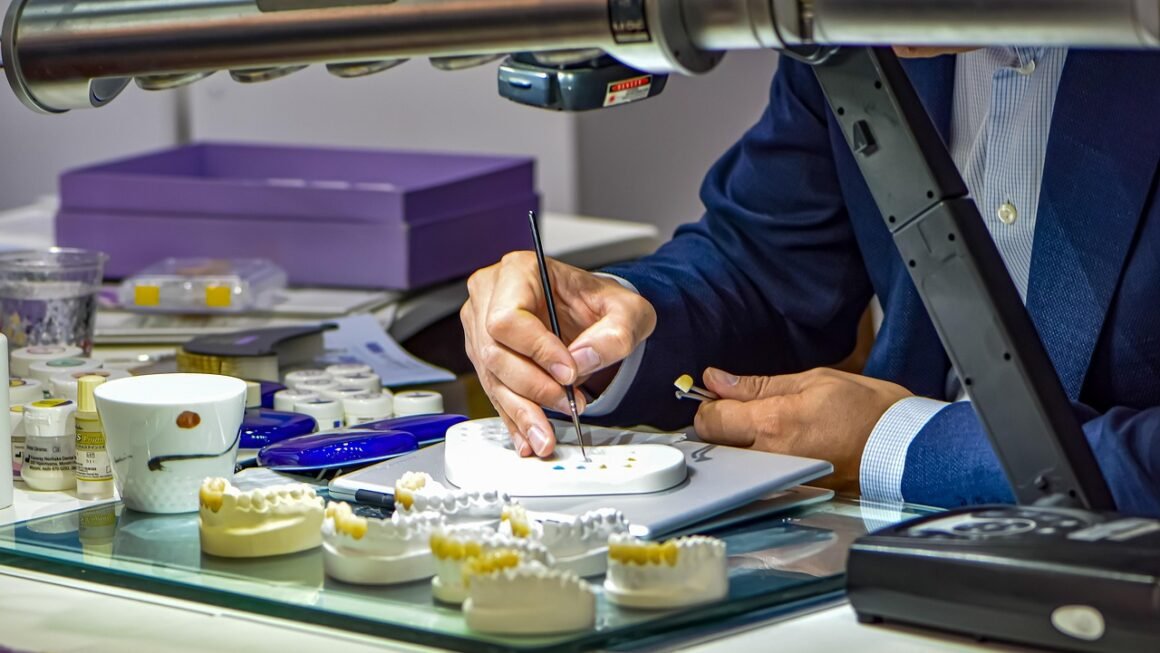
- Custom-Fitted Trays: These trays are made specifically for your mouth using impressions taken by a dentist. This ensures a snug and comfortable fit, preventing the whitening gel from leaking and irritating your gums. They are generally considered the most effective and safest option.
- Pre-Fabricated or Stock Trays: These are generic trays that come in a one-size-fits-all design. They are less expensive than custom trays but often fit poorly, leading to uneven whitening and potential gum irritation. Think of it like comparing a tailor-made suit to something off the rack – one is designed specifically for you and the other isn’t.
- Boil-and-Bite Trays: These are a hybrid option. You heat them in hot water and then bite down to mold them to your teeth. While better than stock trays, they still aren’t as precise as custom-fitted trays.
How Whitening Trays Work
The active ingredient in whitening gel, typically either hydrogen peroxide or carbamide peroxide, penetrates the enamel and breaks down the molecules that cause staining. Here’s a breakdown:
- The peroxide compound releases oxygen molecules.
- These oxygen molecules react with the stained molecules in your teeth.
- This reaction breaks down the stains into smaller, colorless molecules.
- The result is a visibly brighter and whiter smile.
The concentration of the whitening agent and the duration of wear will influence the speed and degree of whitening. Custom trays allow for a more even application and typically use a lower concentration of whitening gel compared to in-office treatments, leading to less sensitivity.
Benefits of Using Whitening Trays
Convenience and Flexibility
One of the major advantages of whitening trays is the convenience they offer. You can whiten your teeth at home, on your own schedule.
- Whiten at Your Own Pace: You control the frequency and duration of each treatment, allowing you to tailor the whitening process to your sensitivity level and desired results.
- Use While Performing Other Activities: You can whiten while reading, watching TV, or even working from home.
- Touch-Up Treatments: After the initial whitening process, you can use your trays for periodic touch-up treatments to maintain your bright smile. For example, after drinking red wine or coffee.
Cost-Effectiveness
Whitening trays, especially custom-fitted ones obtained through a dentist, can be a more cost-effective option compared to in-office whitening treatments.
- Lower Initial Investment: While custom trays have an upfront cost, they can be significantly less expensive than repeated in-office procedures.
- Long-Term Savings: The ability to perform touch-up treatments at home can save you money on professional whitening sessions in the long run.
Effective Results
When used correctly, whitening trays can deliver noticeable and long-lasting results. Custom trays, in particular, are known for their effectiveness.
- Even Whitening: Custom trays ensure that the whitening gel is distributed evenly across the surface of your teeth, resulting in a uniform shade.
- Reduced Sensitivity: A well-fitting tray minimizes contact between the whitening gel and your gums, reducing the risk of sensitivity.
- Visible Improvement: Most users experience a significant improvement in the brightness of their teeth within a few weeks of consistent use.
How to Use Whitening Trays Effectively and Safely
Preparing for Whitening
Before starting your whitening journey, it’s crucial to prepare your teeth and gums.
- Consult Your Dentist: A professional dental examination is essential to ensure that your teeth are healthy and free from cavities or gum disease. Your dentist can also advise you on the best whitening option for your specific needs.
- Brush and Floss Regularly: Maintain good oral hygiene by brushing and flossing your teeth thoroughly before each whitening session. This removes plaque and debris, allowing the whitening gel to penetrate the enamel more effectively.
- Avoid Staining Foods and Drinks: Limit your consumption of staining foods and drinks, such as coffee, tea, red wine, and berries, during the whitening process.
Step-by-Step Guide to Using Whitening Trays
Here’s a detailed guide on how to use whitening trays properly:
Managing Sensitivity
Tooth sensitivity is a common side effect of whitening. Here are some tips to manage it:
- Use Sensitivity Toothpaste: Brush with a toothpaste designed for sensitive teeth for at least two weeks before starting the whitening process.
- Reduce Wear Time: If you experience sensitivity, shorten the wear time or reduce the frequency of your whitening sessions.
- Take Breaks: Take a break from whitening for a day or two if sensitivity becomes severe.
- Fluoride Treatments: Your dentist can provide fluoride treatments to help strengthen your enamel and reduce sensitivity.
Choosing the Right Whitening Trays and Gel
Custom vs. Over-the-Counter
The first major decision is whether to opt for custom trays from a dentist or over-the-counter options.
- Custom Trays: Offer the best fit, reducing gum irritation and ensuring even whitening. They are generally more effective but also more expensive.
- Over-the-Counter Trays: More affordable but may not fit well, leading to uneven whitening and potential gum irritation. Choose reputable brands and read reviews carefully.
Example: Sarah purchased over-the-counter trays and experienced significant gum irritation and uneven whitening. After switching to custom trays from her dentist, she saw a dramatic improvement in both comfort and results.
Whitening Gel Strength
Whitening gels come in various strengths, typically ranging from 10% to 22% carbamide peroxide or 3% to 10% hydrogen peroxide. Stronger gels deliver faster results, but also increase the risk of sensitivity.
- Lower Concentration: Ideal for individuals with sensitive teeth or those who prefer a gradual whitening process.
- Higher Concentration: Suitable for those with less sensitivity and who desire faster results. Always consult with your dentist before using high-concentration gels.
Considerations for Sensitive Teeth
If you have sensitive teeth, take these factors into account:
- Desensitizing Ingredients: Look for whitening gels that contain ingredients like potassium nitrate or fluoride, which can help reduce sensitivity.
- Short Wear Times: Start with short wear times (e.g., 30 minutes) and gradually increase the duration as tolerated.
- Professional Guidance: Consult with your dentist to determine the best whitening gel and treatment plan for your specific sensitivity level.
Potential Risks and Side Effects
Gum Irritation
Gum irritation is a common side effect, especially with ill-fitting trays. Excess gel can come into contact with your gums, causing redness, swelling, and discomfort.
- Prevention: Use custom-fitted trays and avoid overfilling the trays with gel. Wipe away any excess gel immediately.
- Treatment: Rinse your mouth with warm salt water and apply a Vitamin E oil to the affected area.
Tooth Sensitivity
As mentioned earlier, tooth sensitivity is a frequent side effect. The whitening agents can temporarily increase the permeability of the enamel, making your teeth more sensitive to temperature changes.
- Prevention: Use desensitizing toothpaste, reduce wear time, and take breaks from whitening.
- Treatment: Continue using desensitizing toothpaste and consider fluoride treatments from your dentist.
Uneven Whitening
Uneven whitening can occur with poorly fitting trays or inconsistent use of the whitening gel. It’s crucial to ensure even gel distribution and consistent wear times.
- Prevention: Use custom-fitted trays to ensure even gel distribution.
- Treatment: Consult with your dentist. They may recommend in-office treatments to address uneven whitening or adjust your home whitening regimen.
Conclusion
Whitening trays offer a convenient and effective way to brighten your smile at home. Understanding the different types of trays, how they work, and potential risks is crucial for a safe and successful whitening experience. By following the guidelines outlined in this comprehensive guide, you can achieve a dazzling, confident smile while minimizing potential side effects. Remember to consult with your dentist before starting any whitening treatment to ensure it’s the right choice for you. With proper care and attention, whitening trays can be a valuable tool in your pursuit of a brighter, more radiant smile.