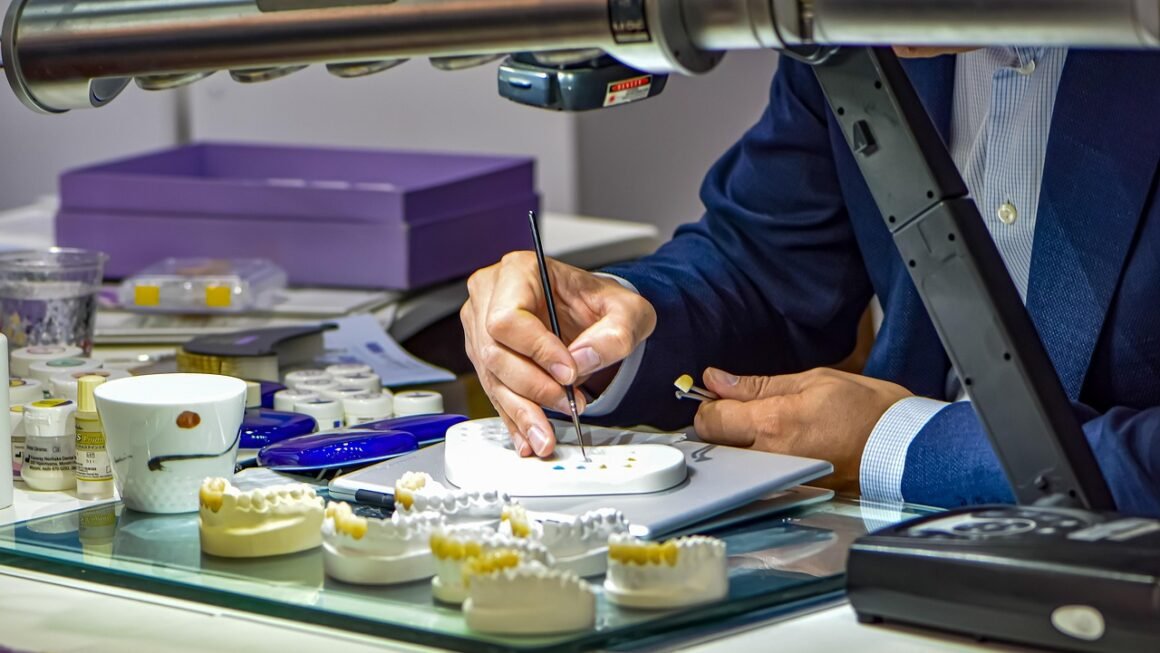
Achieving a brighter, whiter smile is a goal for many. However, with countless teeth whitening options available, it’s crucial to prioritize safety and understand the best methods for achieving dazzling results without compromising your dental health. This guide will explore safe and effective teeth whitening techniques, helping you make informed decisions and achieve the radiant smile you’ve always wanted.
Understanding Teeth Whitening and its Importance
Why Whiten Your Teeth?
Teeth whitening offers numerous benefits beyond just aesthetics. A brighter smile can:
- Boost self-confidence and improve your overall appearance.
- Make you look younger and more vibrant.
- Enhance your first impressions in social and professional settings.
- Motivate better oral hygiene habits, as you’ll be more invested in maintaining your newly brightened smile.
The Science Behind Teeth Whitening
Most teeth whitening products utilize hydrogen peroxide or carbamide peroxide as the active ingredient. These chemicals break down stains on the tooth surface by releasing oxygen molecules. These molecules penetrate the enamel and dentin, oxidizing the colored compounds and making them less visible. The concentration of peroxide determines the strength and speed of the whitening effect.
Different Types of Tooth Stains
Understanding the type of stain affecting your teeth is essential for choosing the appropriate whitening method.
- Extrinsic Stains: These stains are on the surface of the enamel and are usually caused by food, drinks (coffee, tea, red wine), and tobacco. They are generally easier to remove with over-the-counter whitening products or professional cleanings.
- Intrinsic Stains: These stains are within the tooth structure and can be caused by medications (tetracycline), trauma, or excessive fluoride exposure during tooth development. Intrinsic stains are more difficult to remove and often require professional whitening treatments.
- Age-Related Stains: Over time, the outer enamel layer thins, revealing the yellower dentin underneath. This natural aging process contributes to tooth discoloration.
Safe and Effective Whitening Methods
Professional Teeth Whitening at the Dentist
Professional teeth whitening, performed by a qualified dentist, is generally considered the safest and most effective method. Here’s why:
- Customized Treatment: Dentists assess your teeth and gums to determine the appropriate whitening concentration and treatment plan for your specific needs.
- Higher Concentrations of Whitening Agents: Dentists can use higher concentrations of peroxide gels than over-the-counter products, leading to faster and more dramatic results.
- Gum Protection: Dentists use protective barriers to shield your gums from irritation during the whitening process.
- In-Office Whitening: In-office procedures like Zoom! whitening can lighten teeth several shades in just one appointment.
- Take-Home Trays: Custom-fitted trays are provided, allowing you to whiten your teeth gradually at home under the dentist’s supervision.
Example: Your dentist might recommend a two-week take-home tray treatment with a 10% carbamide peroxide gel followed by an in-office treatment for maximum results. They’ll also monitor your sensitivity levels and adjust the treatment accordingly.
Over-the-Counter Whitening Products
Numerous over-the-counter whitening products are available, including whitening toothpastes, strips, gels, and mouthwashes. While these products can provide some degree of whitening, they are generally less effective than professional treatments.
- Whitening Toothpastes: These toothpastes contain mild abrasives that help remove surface stains. They can help maintain a brighter smile but typically don’t significantly lighten the overall tooth shade.
- Whitening Strips: These strips contain a thin layer of peroxide gel and are applied to the teeth for a specified amount of time. They can be effective for mild to moderate stains but may cause sensitivity.
- Whitening Gels: These gels are applied to the teeth using a brush or tray. Similar to strips, they contain peroxide and can lighten the teeth over time.
- Whitening Mouthwashes: These mouthwashes contain hydrogen peroxide but typically have a lower concentration and contact time, resulting in a less noticeable whitening effect.
Example: If you have mild surface stains, you might try a whitening toothpaste with a higher RDA (Relative Dentin Abrasivity) value. However, be mindful of using highly abrasive toothpastes long-term, as they can erode enamel.
Natural Teeth Whitening Remedies
While some natural remedies are touted for their whitening abilities, it’s essential to approach them with caution and consult with your dentist before trying them.
- Baking Soda: Baking soda is a mild abrasive that can help remove surface stains. However, excessive use can damage enamel.
- Activated Charcoal: Activated charcoal is another abrasive that can absorb surface stains. While it may provide temporary whitening, it can also be abrasive and may stain fillings.
- Oil Pulling: This ancient practice involves swishing oil (typically coconut oil) in your mouth for 15-20 minutes. While it may have some oral health benefits, its whitening effect is minimal and not scientifically proven.
Important Note: Many natural remedies lack scientific evidence to support their effectiveness and safety. It’s always best to consult with your dentist before trying any natural whitening methods to avoid potential damage to your teeth.
Addressing Tooth Sensitivity and Other Side Effects
Understanding Tooth Sensitivity
Tooth sensitivity is a common side effect of teeth whitening. It occurs when the peroxide penetrates the enamel and irritates the nerve endings within the tooth. The level of sensitivity varies from person to person.
- Causes of Sensitivity: High concentrations of peroxide, prolonged exposure to whitening agents, and pre-existing dental conditions (e.g., receding gums, enamel erosion) can increase the risk of sensitivity.
- Managing Sensitivity:
Use a desensitizing toothpaste containing potassium nitrate or strontium chloride.
Shorten the duration of whitening treatments.
Take breaks between whitening sessions.
Apply fluoride treatments to strengthen enamel.
Consider using a lower concentration of peroxide.
Talk to your dentist about prescription-strength desensitizing agents.
Other Potential Side Effects
Besides sensitivity, other potential side effects of teeth whitening include:
- Gum Irritation: The whitening gel can irritate the gums if it comes into contact with them. Using custom-fitted trays and applying a protective barrier can minimize this risk.
- Uneven Whitening: Teeth may not whiten evenly, especially if you have existing fillings or crowns.
- Enamel Damage: Overuse of whitening products or using highly abrasive agents can erode enamel over time.
- Temporary White Spots: These spots may appear on the teeth after whitening but typically fade within a few days.
Actionable Takeaway: Monitor your teeth for any signs of sensitivity or irritation during whitening. If you experience significant discomfort, discontinue use and consult with your dentist.
Maintaining Your Whitened Smile
Proper Oral Hygiene Practices
Maintaining good oral hygiene is essential for keeping your teeth white and healthy.
- Brush your teeth at least twice a day with fluoride toothpaste.
- Floss daily to remove plaque and food particles from between your teeth.
- Use an antimicrobial mouthwash to kill bacteria and freshen your breath.
- Schedule regular dental checkups and cleanings to remove plaque and tartar buildup.
Diet and Lifestyle Modifications
Certain foods and drinks can stain your teeth. Limiting or avoiding these substances can help maintain your whitened smile.
- Limit consumption of coffee, tea, red wine, and dark-colored sodas.
- Avoid tobacco products.
- Rinse your mouth with water after consuming staining foods or drinks.
- Eat foods that naturally scrub teeth, such as apples, celery, and carrots.
Touch-Up Whitening Treatments
The effects of teeth whitening are not permanent. Over time, stains can re-accumulate. Periodic touch-up treatments can help maintain your desired level of whiteness.
- Use whitening toothpastes or mouthwashes regularly.
- Schedule occasional professional whitening treatments.
- Use over-the-counter whitening strips or gels as needed.
- Follow your dentist’s recommendations for touch-up treatments.
Example: Your dentist may recommend using a take-home whitening tray for one or two nights every few months to maintain your results.
Conclusion
Achieving a brighter, whiter smile is possible with the right approach. Prioritizing safety, understanding the different whitening methods, and following proper oral hygiene practices are crucial for achieving long-lasting results without compromising your dental health. Whether you choose professional whitening treatments, over-the-counter products, or a combination of both, consulting with your dentist is essential for personalized guidance and ensuring the best possible outcome for your smile.