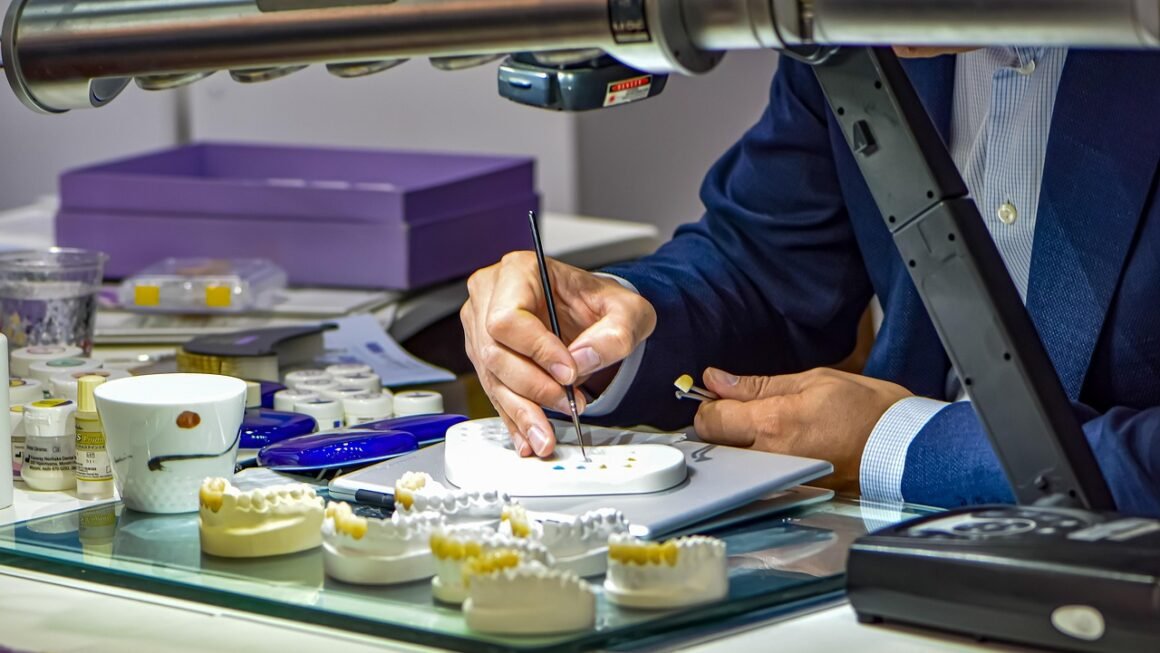
Achieving a dazzling, confident smile is a goal for many, and while over-the-counter whitening products offer convenience, they often fall short of delivering the dramatic results people desire. Dental grade whitening, available exclusively through your dentist, offers a powerful and personalized approach to teeth whitening that can brighten your smile safely and effectively. This blog post will explore the advantages, procedures, and considerations surrounding dental grade whitening so you can make an informed decision about enhancing your smile.
What is Dental Grade Whitening?
Dental grade whitening encompasses professional teeth whitening treatments administered or prescribed by a dentist. These treatments utilize higher concentrations of whitening agents, such as hydrogen peroxide or carbamide peroxide, than over-the-counter options. The dentist carefully controls the application and concentration to minimize sensitivity and maximize results.
The Key Difference: Concentration and Control
The most significant difference between dental grade and over-the-counter whitening is the concentration of the active ingredients.
- Higher Concentration: Dental grade products contain significantly higher concentrations of hydrogen peroxide or carbamide peroxide (e.g., 25%-40% carbamide peroxide for take-home kits versus 3%-20% in over-the-counter options).
- Professional Application (In-Office): In-office treatments allow for even higher concentrations as the dentist can isolate and protect the gums and other soft tissues.
- Customized Trays (Take-Home): Take-home dental grade kits utilize custom-fitted trays that ensure the whitening gel is in direct contact with the teeth and prevents saliva from diluting the solution, resulting in a more even and effective whitening process.
Types of Dental Grade Whitening
Dental grade whitening comes in two primary forms: in-office treatments and take-home kits.
- In-Office Whitening: This procedure is performed entirely by a dentist in a clinical setting. The dentist will apply a high-concentration whitening gel to your teeth and may use a special light or laser to activate the gel and accelerate the whitening process. An example is Zoom! Whitening.
Pros: Fastest results (often noticeable in a single appointment), professional supervision, and protection of gums and soft tissues.
Cons: Typically more expensive than take-home kits, may require multiple appointments for optimal results.
- Take-Home Whitening Kits: The dentist creates custom-fitted trays based on impressions of your teeth. They then provide you with a whitening gel and instructions for its use at home. You typically wear the trays for a specific amount of time each day (e.g., 30 minutes to a few hours) for several days or weeks.
Pros: More affordable than in-office treatments, convenient for use at home, and gradual whitening, which some people prefer.
Cons: Requires compliance with the prescribed regimen, results take longer to appear compared to in-office treatments.
Benefits of Choosing Dental Grade Whitening
Choosing dental grade whitening offers several distinct advantages over over-the-counter alternatives.
Superior Whitening Results
The higher concentration of whitening agents in dental grade products leads to more dramatic and noticeable results. Many patients experience a significant improvement in teeth shade, often several shades lighter, after just one or a few treatments.
- Example: Imagine a patient with teeth stained by years of coffee consumption. Over-the-counter products might provide a slight improvement, but dental grade whitening can significantly brighten their smile, removing years of accumulated stains.
Safety and Reduced Sensitivity
While higher concentrations of whitening agents can cause sensitivity, dentists take precautions to minimize this risk.
- Gum Protection: During in-office treatments, the dentist will carefully protect your gums and other soft tissues from irritation.
- Fluoride Treatments: Many dentists recommend fluoride treatments to strengthen enamel and reduce sensitivity after whitening.
- Customized Treatment Plans: Dentists can adjust the concentration of the whitening gel and the duration of treatment based on your individual needs and sensitivity levels.
Professional Supervision and Guidance
Having a dentist oversee your whitening treatment ensures both safety and optimal results.
- Comprehensive Evaluation: The dentist will examine your teeth and gums to determine if you are a good candidate for whitening.
- Diagnosis and Treatment of Underlying Issues: They can identify and address any underlying dental problems, such as cavities or gum disease, that could affect the whitening process.
- Personalized Recommendations: The dentist can recommend the most appropriate whitening method and treatment plan based on your specific needs and goals.
The Dental Grade Whitening Process: What to Expect
Understanding the whitening process can help alleviate any anxiety and ensure you are well-prepared for your treatment.
Initial Consultation and Evaluation
The first step is a consultation with your dentist. During this appointment, the dentist will:
- Examine your teeth and gums: They’ll look for signs of decay, gum disease, or other dental problems.
- Discuss your whitening goals: They’ll ask you what shade you’d like to achieve and assess the current color of your teeth.
- Determine the cause of your discoloration: This helps determine the best whitening approach.
- Explain the different whitening options: They’ll discuss the pros and cons of in-office and take-home treatments and help you choose the best option for your needs and budget.
In-Office Whitening Procedure
If you choose in-office whitening, here’s what to expect:
Take-Home Whitening Procedure
If you opt for take-home whitening, here’s the process:
Maintaining Your Whitened Smile
Once you’ve achieved your desired level of whiteness, it’s essential to maintain your results.
Proper Oral Hygiene
- Brush and floss regularly: Brush twice a day with fluoride toothpaste and floss daily to remove plaque and prevent staining.
- Use a whitening toothpaste: These toothpastes contain mild abrasives that can help remove surface stains.
- Rinse with mouthwash: Use an antiseptic mouthwash to kill bacteria and freshen breath.
Dietary Considerations
- Limit stain-causing foods and beverages: Coffee, tea, red wine, and dark-colored sodas can stain your teeth. If you consume these items, rinse your mouth with water afterward.
- Avoid tobacco products: Smoking and chewing tobacco can cause significant staining.
Touch-Up Treatments
- Periodic touch-ups: Your dentist may recommend periodic touch-up treatments with a lower concentration whitening gel to maintain your bright smile. The frequency of touch-ups will vary depending on your individual needs and lifestyle.
- Professional Cleanings: Regular professional dental cleanings can remove surface stains and keep your teeth looking their best.
Addressing Common Concerns
Many people have questions and concerns about dental grade whitening. Here are some common concerns and their solutions:
Sensitivity
- Use desensitizing toothpaste: Toothpastes containing potassium nitrate or other desensitizing agents can help reduce sensitivity.
- Shorter treatment times: Reduce the duration of each whitening session.
- Lower concentration gel: Your dentist can prescribe a lower concentration whitening gel if you experience significant sensitivity.
- Fluoride treatments: Fluoride can strengthen enamel and reduce sensitivity.
Uneven Whitening
- Custom-fitted trays: Ensure your take-home whitening trays fit properly to ensure even distribution of the whitening gel.
- Professional application: In-office whitening allows for precise application and control, minimizing the risk of uneven whitening.
Cost
- Consider the long-term value: While dental grade whitening is more expensive than over-the-counter options, the superior results and professional supervision can be worth the investment.
- Payment plans: Many dental offices offer payment plans to make whitening more affordable.
Conclusion
Dental grade whitening offers a safe, effective, and personalized way to achieve a brighter, more confident smile. By choosing professional whitening, you can benefit from higher concentrations of whitening agents, professional supervision, and customized treatment plans that deliver superior results while minimizing the risk of sensitivity. Remember to consult with your dentist to determine the best whitening option for your needs and maintain proper oral hygiene to enjoy your dazzling smile for years to come.