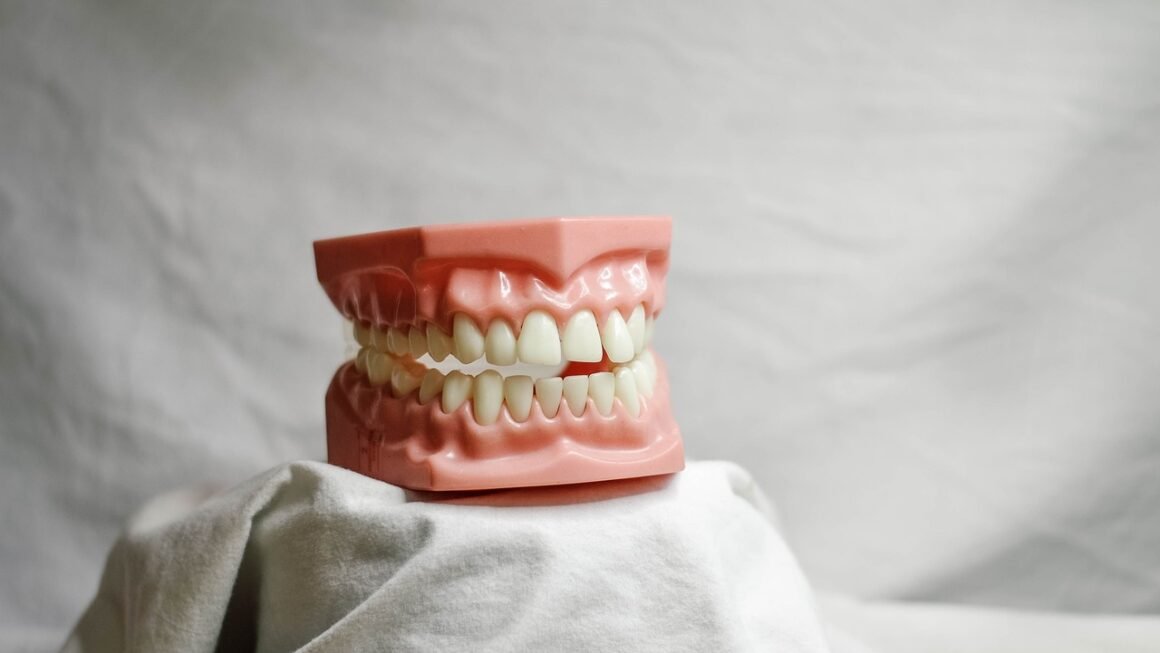
Taking care of your teeth and gums is more than just flashing a pearly white smile; it’s a vital component of your overall health and well-being. Neglecting dental hygiene can lead to a host of problems, from cavities and gum disease to more serious systemic health issues. So, let’s dive into the essential dental hygiene habits that will help you maintain a healthy, confident smile for years to come.
Mastering the Art of Brushing
Brushing your teeth is the foundation of any good dental hygiene routine. But it’s not just what you brush with, but how and when you brush that truly matters.
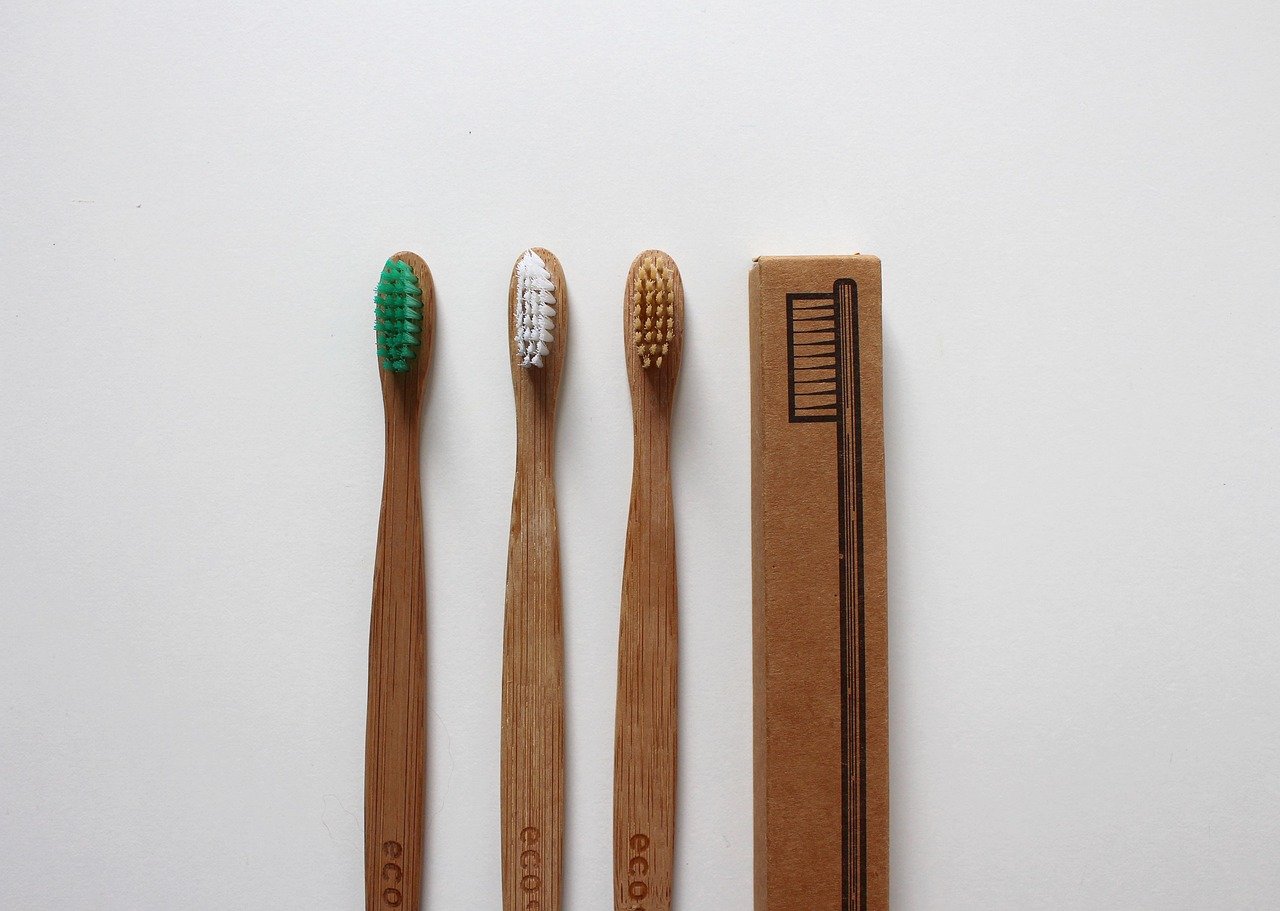
Choosing the Right Toothbrush
- Bristle Type: Opt for a soft-bristled toothbrush. Medium or hard bristles can damage your enamel and gums over time.
- Size and Shape: Select a brush head size that allows you to comfortably reach all areas of your mouth, including the back teeth.
- Electric vs. Manual: Both types can be effective. Electric toothbrushes often have built-in timers and pressure sensors, which can help improve brushing technique.
- Example: Look for the American Dental Association (ADA) Seal of Acceptance on your toothbrush to ensure it meets certain safety and effectiveness standards.
Proper Brushing Technique
- Angle: Hold the toothbrush at a 45-degree angle towards the gumline.
- Motion: Use gentle, short, back-and-forth strokes.
- Coverage: Brush all surfaces of each tooth – the outer surface, the inner surface, and the chewing surface.
- Duration: Brush for at least two minutes. Use a timer or a pre-set timer on an electric toothbrush to ensure adequate brushing time.
- Frequency: Brush at least twice a day, ideally after meals. Most importantly brush before you go to bed.
- Tip: Visualize dividing your mouth into quadrants and spending 30 seconds on each.
When to Replace Your Toothbrush
- Replace your toothbrush every three to four months, or sooner if the bristles are frayed.
- A worn-out toothbrush is less effective at removing plaque and bacteria.
- Replace your toothbrush after you’ve been sick to prevent re-infection.
The Power of Flossing
Flossing is crucial for removing plaque and food particles from between your teeth and under the gumline, areas that your toothbrush can’t reach.
Types of Floss
- Traditional Floss: Waxed or unwaxed nylon floss. Choose the type you find most comfortable to use.
- Floss Picks: Convenient for on-the-go flossing, but may not be as effective at reaching all areas.
- Interdental Brushes: Small brushes designed to clean between teeth, especially useful for people with braces or larger gaps.
- Example: Experiment with different types of floss to find one that you like and will use consistently.
Proper Flossing Technique
- Length: Use about 18 inches of floss, winding most of it around your middle fingers and leaving a few inches to work with.
- Guide: Gently guide the floss between your teeth using a sawing motion.
- Curve: Curve the floss around each tooth in a “C” shape, sliding it gently under the gumline.
- Movement: Use an up-and-down motion to scrape away plaque and debris.
- New Section: Use a clean section of floss for each tooth.
- Tip: Don’t snap the floss forcefully into your gums. Be gentle to avoid irritation.
When to Floss
- Floss at least once a day, ideally before brushing. This allows the fluoride in your toothpaste to reach the areas between your teeth more effectively.
- Many dentists recommend flossing before bed.
The Role of Mouthwash
Mouthwash is an excellent addition to your dental hygiene routine, providing extra protection and fresh breath.
Types of Mouthwash
- Fluoride Mouthwash: Helps strengthen tooth enamel and prevent cavities.
- Antiseptic Mouthwash: Kills bacteria and helps reduce plaque and gingivitis.
- Cosmetic Mouthwash: Primarily freshens breath but doesn’t offer significant therapeutic benefits.
- Example: If you are prone to cavities, choose a fluoride mouthwash. If you have gum disease, an antiseptic mouthwash may be more beneficial. Consider a mouthwash with no alcohol.
How to Use Mouthwash
- Timing: Rinse with mouthwash after brushing and flossing.
- Dosage: Use the amount recommended on the product label (usually about 20ml).
- Duration: Swish the mouthwash around your mouth for 30 seconds.
- Avoid Eating or Drinking: Don’t eat or drink anything for at least 30 minutes after using mouthwash to allow it to work effectively.
Benefits of Mouthwash
- Kills bacteria
- Reduces plaque and gingivitis
- Strengthens tooth enamel (fluoride mouthwash)
- Freshens breath
Diet and Dental Health
What you eat and drink has a significant impact on your dental health. Sugary and acidic foods and drinks can contribute to tooth decay and erosion.
Foods to Limit
- Sugary Foods: Candy, cookies, cakes, pastries, and other sweets.
- Sugary Drinks: Soda, juice, sports drinks, and sweetened coffee and tea.
- Acidic Foods: Citrus fruits, tomatoes, vinegar, and pickles.
- Sticky Foods: Dried fruits, caramel, and gummy candies.
- Example: If you indulge in sugary or acidic foods, brush your teeth afterward or rinse your mouth with water.
Foods to Encourage
- Water: Helps rinse away food particles and bacteria, and keeps your mouth hydrated.
- Fiber-Rich Foods: Fruits, vegetables, and whole grains stimulate saliva production, which helps neutralize acids and remineralize teeth.
- Dairy Products: Milk, cheese, and yogurt contain calcium and phosphorus, which are essential for strong teeth.
- Lean Proteins: Meat, poultry, fish, and beans provide essential nutrients for overall health, including dental health.
- Example: Snack on crunchy vegetables like carrots and celery, which help clean your teeth naturally.
Hydration is Key
- Drink plenty of water throughout the day to keep your mouth hydrated and promote saliva production.
- Carry a water bottle with you and sip on it regularly.
Regular Dental Check-ups and Cleanings
Even with excellent at-home dental hygiene, regular visits to the dentist are essential for maintaining optimal oral health.
Professional Cleanings
- A dental hygienist can remove plaque and tartar (hardened plaque) from areas that you may miss with brushing and flossing.
- Professional cleanings can help prevent gum disease and cavities.
- The dentist can also identify and address any potential problems early on.
- Frequency: Most people should have a professional cleaning every six months. However, your dentist may recommend more frequent cleanings if you have gum disease or other oral health issues.
Dental Exams
- During a dental exam, your dentist will check your teeth for cavities, examine your gums for signs of gum disease, and evaluate your overall oral health.
- Your dentist may also take X-rays to detect problems that are not visible to the naked eye.
- Frequency: Most people should have a dental exam every six months.
Early Detection is Crucial
- Regular dental check-ups can help detect problems early on, when they are easier and less expensive to treat.
- Early detection of oral cancer can significantly improve treatment outcomes.
Conclusion
Maintaining good dental hygiene habits is a lifelong commitment that pays off in the form of a healthy, beautiful smile and improved overall health. By mastering the art of brushing and flossing, incorporating mouthwash into your routine, making smart dietary choices, and scheduling regular dental check-ups, you can protect your teeth and gums from damage and enjoy a confident smile for years to come. Prioritize these habits and make them an integral part of your daily life for optimal oral and overall well-being.